The 2010s File Feature
It's A Man's, Man's Man's World
The Story of It's A Man's, Man's Man's World by the Glee Cast By the summer of 2010, a television musical phenomenon had taken over American pop culture, and…
01 The Story
The Story of "It's A Man's, Man's Man's World" by the Glee Cast
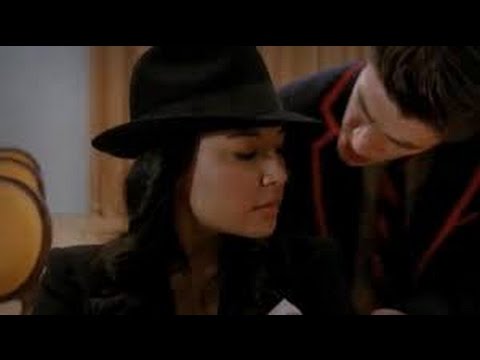
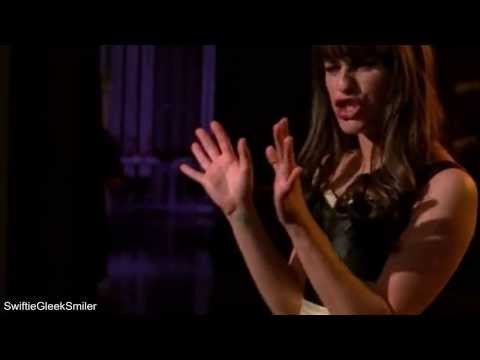
By the summer of 2010, a television musical phenomenon had taken over American pop culture, and the Billboard charts felt its presence weekly. Glee, the high-energy show about a high-school show choir, had turned cover songs into a chart-conquering machine, releasing a steady stream of recordings that fans rushed to download. Among the many classics the show reinterpreted was James Brown's towering soul statement, and the Glee Cast's version of "It's A Man's, Man's Man's World" gave a new generation a glossy, theatrical take on a track that had once shaken the foundations of rhythm and blues.
The Glee Chart Machine
The genius of Glee, commercially speaking, was its relentless output. Each episode featured several song performances, and nearly all of them were released for sale, allowing the show to flood the charts with cover after cover. The Glee Cast became one of the most prolific chart acts of its era, racking up an enormous number of Hot 100 entries. Tackling a James Brown landmark fit the show's habit of reaching across genres and generations, introducing young viewers to songs their parents and grandparents revered.
A Theatrical Take on a Soul Landmark
James Brown had recorded the original in the 1960s as a thunderous declaration of soul, and reinterpreting it for a network television musical was no small task. The Glee version traded raw grit for polished, dramatic production, the kind of big-voiced, emotionally heightened performance the show specialized in. Within the context of the episode, the cover served the storyline as much as the music, a hallmark of how Glee wove songs into its narrative. The result was smoother and more theatrical than the original's smoldering intensity. Where James Brown's record simmered with raw, lived-in feeling, the Glee version reached for clean, dramatic uplift, the emotional register of a stage performance rather than a sweat-soaked soul revue. That shift in approach reflects the show's whole philosophy, treating beloved songs as raw material to be reshaped for a new context and a younger audience.
A Brief Appearance on the Hot 100
The single's chart story was fleeting, typical of the show's deeper-cut covers. It debuted at number 95 on June 19, 2010, and that single week marked both its entrance and its peak. Unlike the show's bigger hits, this one did not climb; it registered its one week on the chart and then dropped away. That brief showing reflects the sheer volume of Glee releases competing for attention, with only the most popular performances managing sustained chart runs while others flickered in and out.
A Piece of the Glee Phenomenon
Though modest in its chart impact, the recording is part of a remarkable cultural moment. Glee reshaped how television and the music industry intersected, proving that a hit show could function as a hit factory. The Glee Cast's vast catalog of covers, this James Brown reinterpretation among them, documents an era when a network musical could send dozens of songs onto the Billboard charts in a single season. The track is a small piece of that sprawling, unprecedented achievement, one entry in a chart record that may never be matched by a television cast again.
A Cover for a New Generation
For the millions of young fans who followed the show devotedly, this version may well have been their first encounter with James Brown's classic. That introduction has value, planting a seed of curiosity that could lead listeners back to the soul originals that inspired the show. Press play and hear how a television phenomenon reimagined a piece of music history for the streaming generation, polished, dramatic, and unmistakably of its moment. It is a curious artifact, a soul landmark filtered through the bright lens of a network musical, and it captures exactly how pop culture recycles and reintroduces its own classics.
"It's A Man's, Man's Man's World" — Glee Cast's singular moment on the 2010s charts.
02 Song Meaning
The Meaning Behind "It's A Man's, Man's Man's World"
The song the Glee Cast covered carries one of the most striking lyrical ideas in soul music. On its surface it proclaims that men have built and shaped the world, listing the things male labor and ambition have created. Yet its famous final turn complicates that boast, arguing that none of it would mean anything without women. The result is a song that praises male achievement only to undercut it completely.
A Catalog of Creation
The lyric opens by surveying the achievements credited to men, the machines, the structures, and the systems that shape modern life. This litany of accomplishment sounds at first like pure self-congratulation, a celebration of male power and industry. The song builds an image of a world constructed by men's hands, sweeping in its claims and grand in its scope.
The Crucial Reversal
The song's true meaning emerges in its conclusion, which insists that all this achievement would be empty, lost and wandering, without a woman or a girl. That turn toward dependence transforms the song entirely. The boast becomes a confession of incompleteness, an acknowledgment that male accomplishment has no purpose or meaning in isolation. The bravado collapses into vulnerability, revealing a need that no amount of building can satisfy.
Vulnerability Beneath the Bravado
What makes the song so powerful is this emotional honesty hidden inside its swagger. Beneath the grand claims lies a man admitting he would be adrift and incomplete alone. The contrast between the boastful verses and the humble conclusion gives the song its enduring tension, the sound of pride giving way to need. It is a meditation on how achievement means nothing without love and connection.
Reinterpreting a Classic
When the Glee Cast performed the song, they placed it within a contemporary story, using its themes to underscore a moment in the show's narrative. The covered version inherits the original's central message while filtering it through a younger, more theatrical sensibility. For viewers, the song's meaning could take on new shades depending on the dramatic context in which it appeared, a flexibility that made it useful television.
An Enduring Emotional Truth
The reason the song still resonates is the universality of its insight. Its claim that human accomplishment is hollow without love and companionship speaks to a feeling everyone understands. By dressing that truth first in pride and then in humility, the song captures something deeply human about ambition and need. The reversal lands precisely because the listener has already been swept up in the boasting, making the late admission of dependence feel earned rather than tacked on. That timeless emotional core is what allowed it to find a new audience through a television musical decades after it was written.
→ More from Glee Cast
View all Glee Cast hits →

→ More from the 2010s File
View all 2010s hits →



Keep digging