The 2010s File Feature
Hit Me With Your Best Shot / One Way Or Another
Hit Me With Your Best Shot / One Way Or Another by Glee Cast Rewind to the early 2010s, when a single television show was quietly rewriting the rules of how …
01 The Story
"Hit Me With Your Best Shot / One Way Or Another" by Glee Cast
Rewind to the early 2010s, when a single television show was quietly rewriting the rules of how pop music reached the charts. Glee turned the high-school choir room into a hit factory, taking beloved songs of the past and rebuilding them as glossy, full-throated production numbers. The show's cast became one of the most prolific chart presences of the era, and this energetic mash-up is a vivid example of that machine in motion.
The Glee Phenomenon
By 2011, Glee was a cultural juggernaut. Every week the cast tackled familiar songs, releasing their versions to streaming and download services, and the sheer volume kept landing them on the Billboard Hot 100. The Glee cast charted an astonishing number of Hot 100 entries during the show's run, a feat that placed them among the most charted acts in the survey's history. Their secret was simple: take songs audiences already loved and hand them to a likable, talented young ensemble.
Two Anthems Stitched Together
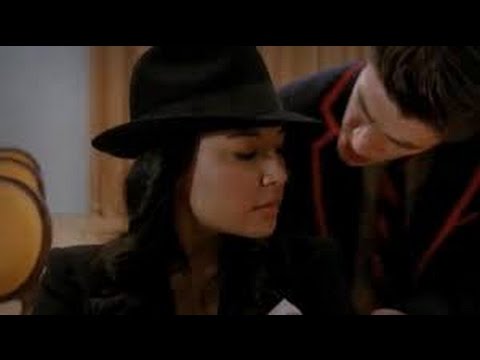
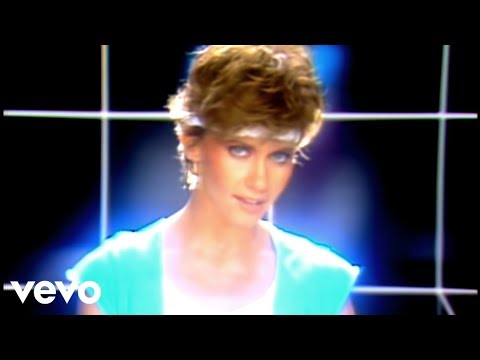
This track fuses two confident, fist-in-the-air classics into a single number. One half draws on Pat Benatar's defiant 1980 hit, the other on Blondie's snarling new-wave staple. The mash-up format was a Glee trademark, splicing two songs so their hooks bounce off each other and build a kind of dramatic call-and-response. In the show, that structure usually mirrored some tension between characters, turning the performance into storytelling as much as singing.
A Quick Chart Appearance
On the Hot 100, the recording made a brief, characteristic stop. It debuted and peaked at number 86 on December 3, 2011, then exited the survey. Its entire chart life lasted a single week, which was typical for the cast's deep run of releases. With so many tracks reaching the chart, individual entries often flashed and faded fast, riding the immediate buzz of a fresh episode before the next one arrived.
The Machine Behind the Music
The economics of the Glee phenomenon were as remarkable as the performances. Each week's episode functioned as a kind of music-video showcase, and the recordings hit digital stores immediately afterward, primed to capture the audience's enthusiasm while it was still fresh. That rapid-release model meant the cast could flood the chart with entries, sometimes placing several songs at once. The strategy turned a network television drama into one of the most prolific singles operations of its day, blurring the line between scripted entertainment and the music industry.
A Snapshot of a Pop Moment
The single may have spent only a week on the Hot 100, but it captures a very particular slice of pop history. Glee made covers a chart force again, proving that a hit song could be reborn through a new generation of performers and a hungry television audience. The show helped reintroduce older catalog material to younger listeners, sending many original artists back into the spotlight and introducing teenagers to songs their parents had grown up with. Few television projects have ever left such a deep mark on the singles chart.
A Cast as Pop Stars
It is easy to forget how strange the whole arrangement was. A group of actors playing fictional high schoolers became, for a few years, one of the most reliable hitmakers in American music, not by writing original songs but by reinterpreting decades of pop, rock, and Broadway. The ensemble's polished, full-bodied recordings turned the show into a jukebox with a storyline, and the audience bought in completely. That model would prove hard to replicate, dependent as it was on a particular alchemy of likable performers, sharp song selection, and the cultural moment when a network musical could dominate the conversation. This combined number sits right in the middle of that golden run, a tidy emblem of how the show turned beloved oldies into fresh chart entries week after week.
Press play and you get pure exuberance: two attitude-soaked classics colliding, sung with the bright, polished confidence that made the show a sensation in its prime.
"Hit Me With Your Best Shot / One Way Or Another" — Glee Cast's singular moment on the 2010s charts.
02 Song Meaning
The Meaning of "Hit Me With Your Best Shot / One Way Or Another"
Mash two anthems of defiance together and you get something even bolder than either piece alone. This combined performance takes two songs about standing your ground and refusing to back down, then fuses them into a single statement of nerve and pursuit. The meaning lives in that collision.
Defiance Doubled
Both source songs share a backbone of fearless attitude. One throws down a challenge, daring an opponent to do their worst. The other is built on relentless determination, the promise that the singer will find a way no matter what. Together they radiate confidence and resolve, two sides of the same swaggering coin. The mash-up amplifies that energy by letting the two voices answer each other, doubling the sense of nerve and forward drive.
Performance as Drama
On Glee, songs were rarely just songs; they were scenes. The pairing was chosen to dramatize conflict between characters, turning the lyrics into dialogue. One side issues a taunt, the other vows to chase its goal down, and the back-and-forth structure makes the whole thing feel like a face-off set to music. That theatrical layer is central to how the cast versions worked.
Reclaiming the Classics
There is also meaning in the act of covering itself. By handing these tough, grown-up rock anthems to a young ensemble, the show reframed them as expressions of teenage assertion and self-belief. The performance turns adult defiance into youthful empowerment, a theme that ran through much of the series. It told its audience that standing tall was something anyone could claim, regardless of age or station, which fit the show's broader message of finding strength in who you are.
Two Generations of Attitude
Part of the meaning lies in the pairing itself. Both source songs came from an era when female-fronted rock carried real edge and bite, and stitching them together created a kind of dialogue between two fierce voices. The mash-up celebrates persistence from two angles at once, the dare and the chase, the challenge thrown down and the relentless pursuit. Heard side by side, they amplify each other, turning a single performance into a statement bigger than either song alone.
Why It Worked
The appeal is its sheer momentum. The song channels the universal thrill of refusing to give up, of facing down a challenge with your chin raised. For the show's fans, it offered a burst of empowerment wrapped in two melodies they already knew by heart. That blend of nostalgia and energy is exactly why the cast's catalog connected so widely, giving familiar anthems a fresh, youthful charge that pulled in both longtime fans of the originals and a younger crowd hearing them for the first time.
→ More from Glee Cast
View all Glee Cast hits →
→ More from the 2010s File
View all 2010s hits →


Keep digging