The 2010s File Feature
Hello, I Love You
Hello, I Love You: The Glee Cast's 2010 Take on a Doors Classic When the television series Glee tackled the catalog of the Doors during its second season in …
01 The Story
Hello, I Love You: The Glee Cast's 2010 Take on a Doors Classic
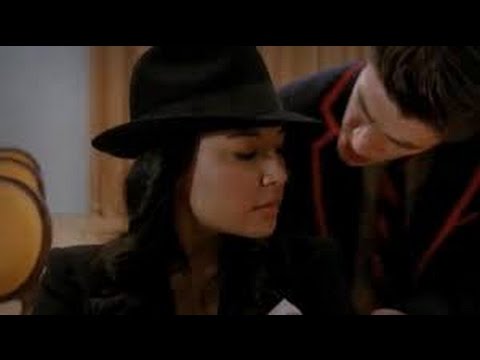
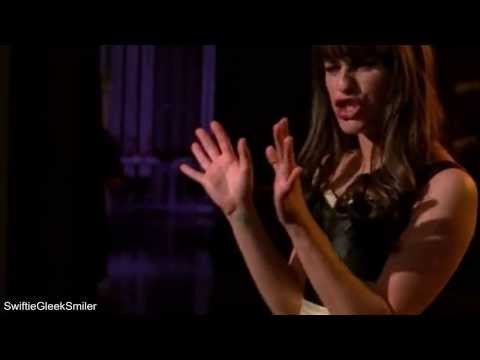
When the television series Glee tackled the catalog of the Doors during its second season in 2010, it was operating at the peak of its cultural reach. The show had demonstrated across its first season that a television musical drama could generate genuine chart activity, with cast recordings landing consistently on the Billboard Hot 100 alongside recordings by conventional recording artists. The cover of "Hello, I Love You" entered the chart on May 1, 2010, debuting and peaking at number 66 in a single week, a result that reflected the immediate but relatively brief commercial impact that Glee covers typically generated.
The original "Hello, I Love You" by the Doors was released in 1968 and reached number one on the Billboard Hot 100, making it one of the group's signature commercial successes. Jim Morrison wrote the song, and its combination of propulsive rhythm, simple chord structure, and instantly memorable hook gave it a quality that translated readily across genre and context. The Glee production team understood this and selected it as a vehicle for showcasing the energy and vocal confidence that the show's ensemble could bring to classic rock material.
Glee's arrangement of the song maintained the infectious momentum of the original while adapting it for the show's specific production style, which favored polished, radio-friendly sonics over the raw garage quality that the Doors brought to their own recordings. This was consistent with the show's broader approach to rock material: the point was not to recreate the original but to honor its melodic strengths through a production framework designed for contemporary pop radio consumption. Ryan Murphy and his creative team were explicit about this philosophy across multiple interviews during the show's run.
The episode context in which the song appeared was part of Glee's ongoing practice of building themed episodes around single artists or musical periods. The Doors episode gave the cast an opportunity to engage with classic rock material that stood at some remove from the contemporary pop and Broadway repertoire that dominated the show's earlier episodes. For younger viewers encountering the Doors primarily through this television context, the Glee cover served as an introduction to a catalog that might otherwise have felt culturally distant.
The single's chart performance was characteristic of the Glee phenomenon during this period. The show's fan base, which was organized and digitally engaged in ways that few television audiences had been before streaming platforms consolidated viewing habits, reliably purchased or downloaded tracks from new episodes within the first days of broadcast. This behavior generated enough chart activity to qualify many Glee covers for Hot 100 placement, though the numbers rarely reflected sustained commercial traction beyond the initial fan response.
Looking at the chart data specifically, the May 1, 2010 debut at number 66 and immediate exit from the chart after a single week tells a precise story about the nature of the Glee commercial phenomenon. The records moved because of a concentrated, loyal audience responding to new content, not because of broad radio pickup or slow-building word of mouth. This pattern repeated across dozens of Glee covers throughout the show's run and constitutes a distinctive commercial model that predated many of the streaming-era phenomena that would reshape chart methodology in subsequent years.
The Glee cast covered an enormous range of material across the show's six seasons, from contemporary pop to Broadway standards to classic rock, and "Hello, I Love You" occupies a specific place in that catalog as one of the more ambitious rock selections. The Doors' catalog carried a countercultural prestige that differed from the pop and show-tune material that formed the show's backbone, and placing it within the Glee production context involved a degree of tonal translation that the creative team navigated with evident care.
For music historians examining the Glee phenomenon, these covers constitute a significant body of work that raised genuine questions about authenticity, adaptation, and the relationship between television content and pop chart activity. The Hot 100's expansion criteria to accommodate digital downloads and streaming data was still evolving during this period, and the Glee effect was one of the first major tests of how those new methodologies would register organized fan purchasing behavior.
02 Song Meaning
The Meaning Behind "Hello, I Love You" as Performed by the Glee Cast
Jim Morrison wrote "Hello, I Love You" around an encounter with a woman he observed on Venice Beach in the mid-1960s, and the original Doors recording carries the breathless, declarative quality of that spontaneous attention. The song is about the impulsive, almost involuntary nature of attraction: the moment when a stranger's presence generates a feeling that overrides ordinary social caution and produces an irresistible desire for connection. When the Glee cast covered the song for its 2010 television episode, these themes were filtered through a different performance context that shifted the song's meaning in subtle but significant ways.
In the original version, Morrison's vocal carries a quality of barely contained urgency, a sense that the feeling being described is more powerful than the speaker can entirely manage. The song's short, punchy structure reflects this urgency: there is no time for extended narrative or careful emotional analysis because the feeling demands immediate expression. The Glee arrangement retained this structural brevity while giving the performance a more controlled, polished quality that transformed the urgency from something slightly dangerous into something more celebratory and uncomplicated.
This transformation reflects something fundamental about what Glee did to the classic rock repertoire it engaged. The show was built on the premise that great songs transcend their original contexts and can be reimagined within theatrical and television frameworks without losing their essential appeal. This is a defensible position, but it also means that some of the specific emotional texture of an original recording does not survive the transition. The Doors' version of "Hello, I Love You" contains an edge of obsession and social transgression that the Glee production deliberately softened in favor of a more broadly appealing emotional presentation.
For the show's audience, the song's meaning was partly shaped by the character context in which it appeared. Glee regularly used musical performance as a vehicle for character revelation and plot development, and the songs selected for each episode were chosen partly for their thematic resonance with the narrative material surrounding them. "Hello, I Love You" in this context became a statement about the particular emotional lives of the characters performing it rather than a freestanding artifact with its own independent meaning.
The song's message, at its most fundamental level, is about the power of immediate attraction and the desire to communicate that attraction without delay. This is a theme that translates readily across performance contexts and audience demographics, which is part of why it worked within the Glee framework. Young viewers experiencing the complexity of romantic feeling for the first time could connect with the song's core impulse regardless of whether they were familiar with the Doors or had any sense of the countercultural context in which the original was recorded.
There is also something to be said about the act of covering itself as a form of meaning-making. When a contemporary ensemble covers a song from an earlier era, the cover implicitly asserts the continued relevance of the original's emotional content. The Glee cast's version of "Hello, I Love You" made an argument, through performance, that the feeling Morrison was describing in the 1960s remained recognizable and real for audiences in 2010. That argument is not made through words but through the act of singing the song with genuine conviction in a new context, and on that level it succeeded.
The song's meaning, across both its original and its Glee incarnation, ultimately rests on a simple human truth: the experience of encountering someone who generates an immediate, powerful feeling of connection is one of the most vivid emotional events that human beings can have. Songs that capture that experience with directness and melodic clarity have a durability that outlasts their original cultural moments, and "Hello, I Love You" has demonstrated that durability across multiple generations and contexts of engagement.
→ More from Glee Cast
View all Glee Cast hits →


→ More from the 2010s File
View all 2010s hits →



Keep digging