The 2010s File Feature
Get It Right
The Glee Cast's "Get It Right": Original Songwriting for Television's Most Ambitious Music Show In the spring of 2011, Glee was at the height of its cultural…
01 The Story
The Glee Cast's "Get It Right": Original Songwriting for Television's Most Ambitious Music Show
In the spring of 2011, Glee was at the height of its cultural impact, a Fox television series that had transformed the weekly prime-time musical into something approaching a pop music delivery mechanism, generating chart hits from its cast recordings with a regularity that no fictional television show had previously managed. "Get It Right" entered the Billboard Hot 100 on April 2, 2011, debuting directly at its peak position of number 16, before dropping sharply to number 73 in its second and final charting week. That rapid debut-and-decline pattern was characteristic of Glee singles, which benefited from immediate fan purchasing activity following broadcast but lacked the radio airplay and sustained marketing support that might have extended their chart lives.
The song was an original composition written specifically for the show rather than a cover of an existing track, which distinguished it from the majority of Glee's chart entries. It was written by Adam Anders and Peer Astrom, the Swedish production team that served as the show's primary music producers throughout its run. Anders and Astrom had developed considerable skill at writing material that served both the narrative requirements of the show's storytelling and the commercial requirements of a single that could function effectively as a standalone piece of music. "Get It Right" was among the more successful achievements of this dual mandate.
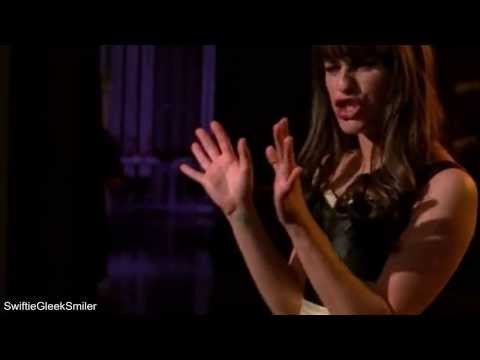
The song was performed on the show by Lea Michele, whose character Rachel Berry was one of the series' central protagonists. Michele had positioned herself throughout Glee's run as the show's primary vocal instrument, a role that her extensive training in musical theatre made her well suited to occupy. Her Broadway-influenced vocal style, technically accomplished and emotionally committed, gave "Get It Right" the kind of performance that the song's anthemic structure demanded. The character of Rachel Berry was explicitly constructed as an aspiring performer of extraordinary ambition and occasional self-doubt, and the song served as a vehicle for that character's emotional journey within the specific episode in which it appeared.
The context of Glee's second season, in which "Get It Right" appeared, was one of the show's most commercially productive periods. The series had debuted in 2009 and quickly established itself as a cultural phenomenon, generating magazine covers, fashion collaborations, and a touring concert experience alongside its extraordinary chart activity. The show's approach to music was deliberately eclectic, ranging from Broadway showtunes to contemporary pop hits to original compositions, and this variety helped sustain audience interest across multiple seasons while creating the conditions for a wide range of chart activity.
The commercial infrastructure supporting Glee's music releases was carefully designed to maximize chart impact. Columbia Records distributed the show's recordings, and release strategies were timed to coincide with broadcast episodes, creating a moment when the emotional impact of a song's appearance within the narrative could be immediately converted into purchasing activity. The early 2010s represented an inflection point in the music industry's engagement with streaming and digital purchasing, and Glee was at the forefront of exploiting the connection between television viewership and digital music sales in ways that traditional promotional channels could not replicate.
The show's broader cultural significance lay in its advocacy for the performing arts within American secondary education. By celebrating show choir, theatre, and musical performance as worthy aspirations rather than objects of mockery, Glee articulated a vision of artistic ambition that resonated particularly strongly with young audiences who identified with the outsider experiences its characters navigated. This identification was a central engine of the show's fan loyalty and explained why Glee fans converted their viewing experience into purchasing behavior at rates that exceeded what might have been predicted from ratings alone.
By the time "Get It Right" charted, Glee had placed more singles on the Hot 100 than any act since the Beatles, a statistical achievement that reflected the show's unique capacity to mobilize its audience around music. The comparison to the Beatles was inevitably somewhat absurd in artistic terms, but as a demonstration of what television-integrated music releases could accomplish in the digital era, it was genuinely remarkable. "Get It Right" was one entry in that extraordinary catalog, notable as an original composition that held its own against the cover songs that constituted the majority of Glee's chart activity.
02 Song Meaning
Ambition, Failure, and the Courage to Try Again: The Meaning of "Get It Right"
"Get It Right" is a song about the specific kind of regret that comes from having failed to live up to one's own values rather than from external circumstances. The emotional situation it addresses is one of self-confrontation: a recognition that the speaker has acted badly, hurt people they care about, and needs to find the resolve to correct course. Within the narrative context of Glee, the song served a specific dramatic function, but its emotional content was designed to be sufficiently universal that it could function independently of that context for listeners who encountered it outside the show.
The thematic territory of self-recrimination and recommitment was particularly well suited to the Glee audience, which skewed young and was navigating the specific experiences of adolescence in which mistakes and their consequences are encountered with fresh intensity. The idea that one has made a significant error and must now find the strength to do better is an experience that resonates with particular force during the years when personal identity and moral understanding are still being formed, and the song's directness about both the failure and the desire for redemption made it an effective emotional vehicle for that audience.
Adam Anders and Peer Astrom wrote the song within the constraints of a specific narrative requirement but produced something that transcended those constraints through the quality of its melodic construction and the emotional honesty of its lyrical approach. The anthemic structure, building from verses of vulnerability to a chorus of determined resolve, followed a formula that had proven effective across multiple genres precisely because it enacted the emotional journey its content described. The listener moved through the song as the character moved through the experience the song depicted: from acknowledgment of failure to commitment to repair.
The song's title, with its imperative directed at the self rather than at an external audience, captures something important about its psychological orientation. "Get it right" is not a command addressed to others but a self-directed demand, an internal exhortation that combines self-criticism with self-encouragement. This internal address is characteristic of a certain kind of anthemic pop, which functions as a form of self-talk set to music, allowing listeners to participate in the emotional experience of the narrator's self-determination. The act of listening to such a song can itself be a form of emotional practice, rehearsing the feelings of resolve that the lyrics describe.
The performance by Lea Michele contributed substantially to the song's meaning as it was received. Michele's vocal approach combined the technical precision of classical musical theatre training with an emotional openness that prevented the performance from feeling merely competent. The moments of vocal vulnerability in the verses and the release into power on the chorus tracked the emotional arc of the lyrical content, making the performance function as a form of enacted meaning rather than mere illustration of it. Audiences who responded to the song were responding simultaneously to the written content and to a specific interpretive realization of that content.
The broader cultural context of Glee's advocacy for the performing arts gave the song an additional layer of meaning for audiences who identified with the show's thematic concerns. For young people who had chosen music, theatre, or performance as their primary form of self-expression within social contexts that did not always value those choices, a song about the courage required to pursue ambitious goals and recommit to them after failure carried specific resonance. "Get It Right" was not merely a song about a character's personal situation but a statement about the value of the kind of ambition the show consistently celebrated.
The song's rapid chart debut and equally rapid exit reflected the specific mechanics of how Glee music circulated in 2011, driven by immediate fan response to broadcast rather than sustained radio promotion. But within that transient commercial existence, "Get It Right" accomplished what the best original songs written for television manage: it extended the emotional world of its source material outward into listeners' own lives, offering them a piece of music that was genuinely useful as a vehicle for their own experiences of failure, determination, and the desire to do better.
→ More from Glee Cast
View all Glee Cast hits →
→ More from the 2010s File
View all 2010s hits →



Keep digging