The 2010s File Feature
Views
Views — Drake (2016) Few albums in the streaming era arrived with more anticipatory pressure than Drake's fourth studio effort, and the title track "Views" e…
01 The Story
Views — Drake (2016)
Few albums in the streaming era arrived with more anticipatory pressure than Drake's fourth studio effort, and the title track "Views" encapsulates everything the Toronto rapper was attempting to say at the peak of his commercial dominance. Released in April 2016 on OVO Sound/Young Money/Cash Money/Republic Records, the album Views debuted at number one on the Billboard 200 and immediately began generating conversation about what it meant for one artist to so thoroughly colonize the cultural moment. The title track itself, though not the album's biggest chart performer, functioned as the album's thesis statement, anchoring a body of work that would go on to become one of the most-streamed albums in history.
Drake, born Aubrey Drake Graham in Toronto in 1986, had spent the years between his 2010 breakthrough and the release of Views methodically constructing a commercial infrastructure that had few precedents in hip-hop. By 2016, he was not merely a rapper but a cultural weather system. His previous album, If You're Reading This It's Too Late, had sold over a million copies in its first week, and the mixtape-to-album pipeline he had perfected gave him an unusual degree of creative and commercial flexibility. "Views" as a title track gestured at a specific posture: the vantage point of someone who had climbed high enough to see everything beneath him, including the city he came from.
The production on the song reflects the atmospheric, introspective direction that Drake and his collaborators were pursuing across the entire album. The sonic landscape is spare and cool, with trap-influenced percussion and synthesizer textures that were becoming the dominant grammar of mainstream rap in the mid-2010s. Noah "40" Shebib, Drake's longtime producer and creative partner, played a central role in shaping the album's sonic identity, and the atmospheric qualities that define the title track bear his unmistakable influence. The album also featured production contributions from Nineteen85, Boi-1da, and Murda Beatz, among others, and the collective sound represented a deliberate evolution from the warmer tones of earlier Drake projects.
The commercial context for the album's release was extraordinary. Views spent thirteen consecutive weeks at number one on the Billboard 200, a record for that decade, and it accumulated staggering streaming numbers in its opening days. The album generated over 245 million streams in its first week in the United States alone, setting records on Apple Music and other platforms. While "Views" the song did not produce the same explosive chart run as singles like "One Dance" or "Hotline Bling," it held symbolic weight as the record that gave the album its name and thematic frame.
The album's release in April 2016 was preceded by weeks of anticipation that included teaser content, a documentary about Drake's upbringing in Toronto, and the release of advance singles. The city of Toronto was a constant presence in the album's imagery, and the iconic cover photograph, showing Drake sitting atop the CN Tower overlooking the city, became one of the most recognizable album cover images of the decade. "Views" the title track fed directly into this mythology of geographic and personal elevation.
Critics were divided on Views in ways that reflected broader tensions about what hip-hop was supposed to do in 2016. Some reviewers found the album's emotional introspection and its willingness to linger in ambivalent feelings about success and relationships to be genuinely innovative. Others found it overlong and self-indulgent. But whatever critical consensus emerged, the commercial facts were undeniable: Views became the first album to reach one billion streams on Apple Music, and it eventually surpassed four billion streams across platforms. In that context, the title track was not merely a song but an artifact of a specific cultural moment when streaming metrics became the primary language of popular music success.
Drake's relationship with Toronto runs through the album's DNA, and "Views" as a title carries the implication of someone looking back at their origins from a position of distance and hard-won perspective. The album was recorded largely in Toronto and in Los Angeles, and it reflects the emotional geography of someone who belongs fully to neither place. By naming the album and its title track "Views," Drake was claiming a specific vantage point, one earned through years of work, collaboration, and the sometimes bruising experience of becoming one of the most famous people on earth.
The song's cultural footprint extends beyond its chart performance. It became shorthand for a particular mood in 2016 hip-hop: reflective, slightly melancholy, opulent in its production values but emotionally honest about the costs of success. In the years since its release, Views has been reassessed as a document of a transitional moment in Drake's career and in hip-hop more broadly, when the genre was consolidating its dominance over the entire pop landscape and a single artist was its most visible representative.
02 Song Meaning
What "Views" Is Really About
"Views" operates as a meditation on altitude, both literal and metaphorical. The title itself frames everything that follows: when you have climbed far enough, the view changes, the emotional landscape shifts, and the things that once felt urgent begin to look different from above. Drake uses this conceit to explore themes of success, isolation, romantic complication, and loyalty to his hometown of Toronto, weaving them into a record that refuses easy celebration in favor of something more unsettled and honest.
At its thematic core, the song and the album that shares its name are concerned with what perspective costs. Drake returned to Toronto as his primary emotional reference point across this album, and the title track crystallizes that homecoming impulse. He is looking down at the city that made him, looking back at the relationships and rivals that shaped him, and looking inward at the strange experience of having achieved more than he could reasonably have imagined. The view from the top, the song suggests, is not uncomplicated triumph but a kind of vertigo.
The emotional register of "Views" is one of guarded vulnerability. Drake had built a reputation as a rapper willing to express feelings that traditional hip-hop masculinity tended to suppress, and this song continues that project. The subject matter circles around romantic uncertainty, the difficulty of maintaining real connection when fame creates distance, and the specific loneliness of being the most watched person in a room. These themes resonated with a generation of listeners who found in Drake's confessional mode a permission structure for their own emotional complexity.
The song's relationship to Toronto is also worth parsing as a meaning-level concern. By centering the city so explicitly, Drake was doing something that went beyond regional pride. He was making an argument that the particular experience of growing up in Toronto, with its specific cultural mix of Caribbean, South Asian, and Black North American influences, had produced something new in hip-hop. The CN Tower imagery on the album cover and the title's elevation metaphor were not incidental design choices but meaningful statements about geography and identity.
Within Drake's catalog, "Views" as both song and album represents his most ambitious attempt at sustained emotional portraiture. Where earlier projects had been structured around particular emotional crises or creative phases, Views aimed at something more panoramic. The title track holds that ambition in miniature: it wants to see everything at once, to hold success and sadness and pride and loneliness in a single frame. Whether it fully achieves that ambition is a matter of critical debate, but the aspiration itself is legible and meaningful.
The song also carries weight as a document of hip-hop's streaming moment. In 2016, the question of what hip-hop albums were for, how they were experienced, and what constituted success was being actively renegotiated in real time. Drake's insistence on making a long, atmospheric, mood-based album at precisely the moment when streaming culture was rewarding shorter, more immediately gratifying work was itself a statement. "Views" as a title track is a claim that some things are worth sitting with, worth returning to, worth experiencing as a whole rather than consuming in fragments.
→ More from Drake
View all Drake hits →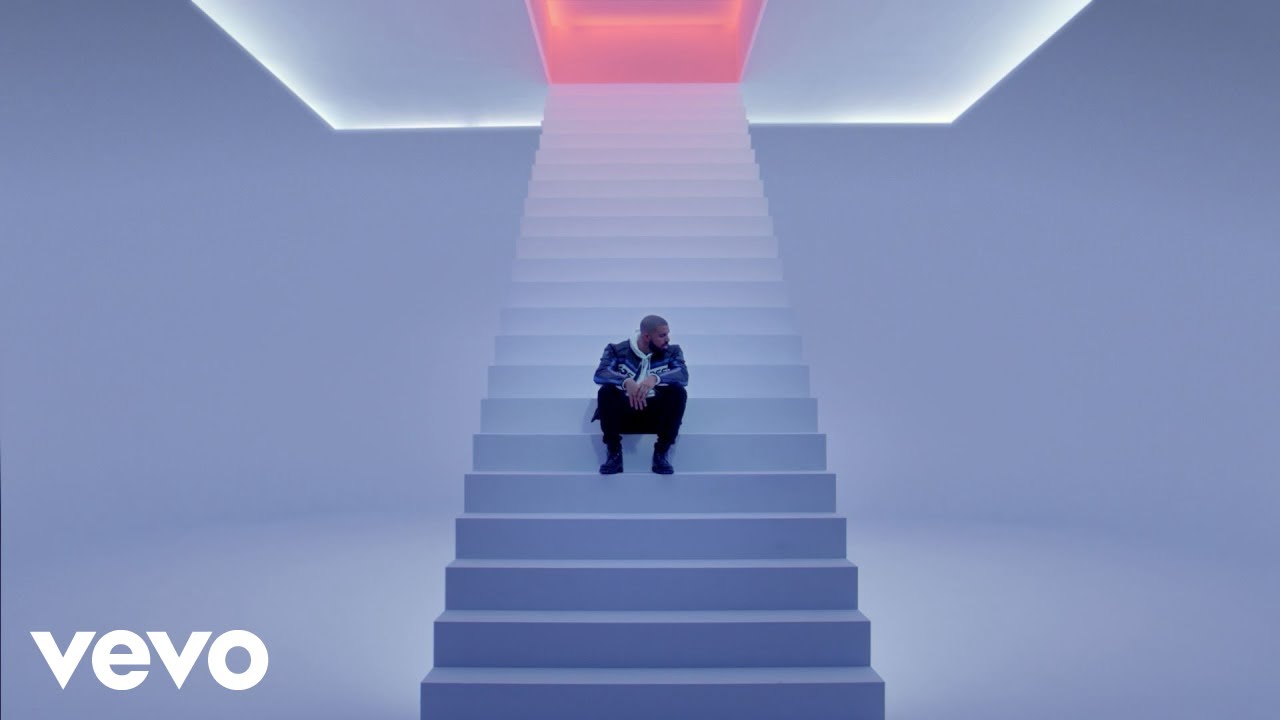

→ More from the 2010s File
View all 2010s hits →


Keep digging