The 2020s File Feature
Laugh Now Cry Later
Laugh Now Cry Later: Drake and Lil Durk Dominate the Summer of 2020 "Laugh Now Cry Later," released on August 14, 2020, marked one of Drake's most commercial…
01 The Story
Laugh Now Cry Later: Drake and Lil Durk Dominate the Summer of 2020
"Laugh Now Cry Later," released on August 14, 2020, marked one of Drake's most commercially potent singles in years, debuting at number one on the Billboard Hot 100 and remaining a fixture on the chart for months into 2021. The track, which features Chicago rapper Lil Durk, was released under Young Money Entertainment / Cash Money Records / Republic Records and arrived as a standalone single rather than as part of a scheduled album rollout, underscoring Drake's ability to generate chart impact without the traditional promotional machinery.
The song was produced by Cardo and Wallis Lane, two producers whose sonic palette leaned into the melodic, mid-tempo aesthetic that had come to define mainstream rap during the late 2010s and early 2020s. The beat built around bouncing 808s and a hazy, looping instrumental texture gave Drake space to toggle between rapping and singing, the mode in which he had always been most commercially effective. Lil Durk contributed a guest verse that showcased his signature husky, emotionally direct delivery, a style he had been honing since his Def Jam breakthrough years earlier and which had reached new commercial heights with his 2020 album "Just Cause Y'all Waited 2."
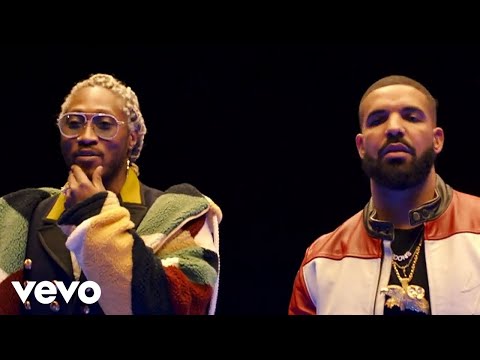
The music video, directed by Director X, was filmed entirely at the Nike World Headquarters campus in Beaverton, Oregon, a location choice that gave the visual an instantly iconic quality. The sprawling corporate athletic campus served as a playground for an extended cast that included cameos from NBA stars Kevin Durant, Odell Beckham Jr., and Marshawn Lynch, as well as appearances from comedian Druski and rapper 21 Savage. The video's four-minute runtime was packed with lifestyle imagery, competitive sports footage, and the kind of aspirational tableau that Drake had been perfecting since the "Started From the Bottom" era. Nike branding appeared throughout, blurring the line between music video and long-form advertisement in a way that reflected how modern celebrity commerce operated.
Commercially, the song's debut at number one on the Hot 100 was driven by an enormous streaming performance in its first week, accumulating over 67 million streams in the United States alone according to MRC Data figures cited at the time of release. It also entered the Hot R&B/Hip-Hop Songs chart at number one, continuing a streak of chart dominance that Drake had maintained across much of the 2010s. The song gave Drake his ninth number-one single on the Hot 100, further cementing his status as one of the most successful chart artists in the history of the Billboard format.
The timing of the release was notable. August 2020 fell deep into the COVID-19 pandemic, a period when live concerts and traditional promotional tours were impossible. Drake leaned entirely on the visual and social media strategy, allowing the Nike campus video to circulate virally across platforms. The cameos from high-profile athletes lent the release a cross-cultural reach that extended well beyond the core hip-hop audience, and sports media outlets covered the video's debut with the same intensity as entertainment press.
Lyrically, the track fits within Drake's ongoing meditation on success, resilience, and the emotional cost of public life. The title phrase, borrowed loosely from a common motivational aphorism about enduring hardship before celebrating triumph, gave the song an instantly quotable hook that traveled well on social media. Lil Durk's contribution addressed themes of street loyalty and survival, adding a harder-edged counterpoint to Drake's more polished introspection.
The song was eventually certified multi-platinum by the RIAA, reflecting its sustained commercial performance across streaming and digital download platforms. It appeared on year-end lists for 2020 across several major publications, and its chart run extended well into the first quarter of 2021, demonstrating the kind of catalog durability that streaming-era hits could achieve when the initial release momentum was strong enough.
For Lil Durk, the collaboration with Drake was a major visibility moment, arriving at a point when he was already consolidating his reputation as one of the most consistent voices in Chicago drill-adjacent rap. The association with Drake's commercial apparatus helped expand his audience nationally, foreshadowing the enormous mainstream success he would achieve with "The Voice" and subsequent collaborative projects. The pairing was musically coherent as well as strategically logical, the two artists sharing a tonal affinity for blending emotional vulnerability with flexing, a combination that resonated powerfully with the pandemic-era streaming audience.
"Laugh Now Cry Later" stands as a document of its moment, a summer single that arrived when the world was locked down, delivered via a lavish video that evoked physical freedom and athletic swagger, and spread through the social channels that had become the primary entertainment medium of the pandemic period. Its commercial achievements reflected both Drake's sustained dominance and the particular dynamics of an industry that had reorganized itself entirely around streaming metrics and digital storytelling.
02 Song Meaning
The Meaning Behind "Laugh Now Cry Later": Triumph Deferred and the Cost of Success
"Laugh Now Cry Later" operates on a well-worn but emotionally resonant premise: that those who suffer setbacks and doubters in the present will eventually have the last expression of joy, while those who celebrate too early will be left with grief. Drake frames this not as an abstract philosophy but as a personal testimony, drawing on the specific language of someone who has been underestimated, criticized, and ultimately validated by commercial and cultural success. The title phrase itself functions as a compressed narrative arc, a two-act story compressed into five words.
Drake's verses on the track cycle through themes of loyalty, betrayal, and earned triumph, the same emotional territory he had been mining since his early mixtape years. What gives the song its resonance is the specificity with which he positions himself as both the victor and the wounded party. He is winning, but he remembers when people counted him out. The juxtaposition between current abundance and past adversity is a Drake signature, and here it lands with particular force because the production keeps the tone light and buoyant rather than bitter or vindictive.
Lil Durk's contribution to the meaning layer of the song is equally important. His verse introduces a more visceral street-level register, grounding the abstract motivational theme in the concrete realities of Chicago's South Side, survival, and the psychological toll of navigating environments where trust is scarce. Durk has spoken in interviews about how his music functions as autobiography, and his contribution to this track fits within that framework. The contrast between his verse and Drake's is not jarring but complementary, two artists processing different versions of the same experience of making it through difficult circumstances to a place of security and recognition.
The music video's setting at the Nike campus adds a visual dimension to the meaning that reinforces the aspirational thrust of the lyrics. Nike has long been associated with the language of athletic perseverance and triumph, and placing the video in that environment is not accidental. The athletes who appear in the video, including several who have had very public falls and comebacks in their own careers, extend the emotional argument of the song into visual form. The message becomes collective rather than individual: this is what surviving and thriving looks like.
Culturally, the song arrived during a period when pandemic anxiety and social disruption had made the motivational content of the title resonate in ways that extended beyond hip-hop's usual frames of reference. Millions of people were enduring significant hardship and uncertainty in August 2020, and a song that promised that the current pain was a precondition for future joy carried particular emotional weight. Drake's music has always found its largest audiences at moments of emotional vulnerability, and the timing of this release contributed meaningfully to how listeners received and interpreted its central message.
The phrase "laugh now cry later" also carries associations with the classic theater masks of comedy and tragedy, a duality that has appeared across cultures and centuries as a shorthand for the alternating emotional registers of human experience. Whether or not Drake was consciously invoking that tradition, the phrase arrives with the weight of that cultural baggage, giving the song an almost archetypal quality beneath its contemporary sonic surface.
In the context of Drake's broader catalog, the song sits within a lineage that includes "Started From the Bottom," "Headlines," and "Forever," tracks that all engage with the relationship between past struggle and present achievement. What distinguishes "Laugh Now Cry Later" is the collaborative emotional texture that Lil Durk provides, the sense that this is not a solo victory lap but a shared testimony from two artists who arrived at success via routes defined by obstacles and skepticism.
→ More from the 2020s File
View all 2020s hits →



Keep digging