The 2010s File Feature
Marvins Room
The Drunken Confession of Marvins Room by Drake Picture the small hours of the morning, a phone clutched in an unsteady hand, a half-finished drink, and the …
01 The Story
The Drunken Confession of "Marvins Room" by Drake
Picture the small hours of the morning, a phone clutched in an unsteady hand, a half-finished drink, and the terrible impulse to call someone you should have let go. That uncomfortable, painfully human scene is the entire world of "Marvins Room", one of the most emotionally exposed records of Drake's career. When it arrived in 2011, it confirmed that the rapper was building something genuinely new in hip-hop, a confessional intimacy that blurred the line between toughness and vulnerability.
An Artist Defining a New Sound
By 2011, Drake had already established himself as one of hip-hop's most distinctive young voices, a former television actor turned rapper-singer whose moody, introspective style stood apart from the genre's prevailing bravado. The track appeared on his second album, Take Care, a record that would come to define a whole era of atmospheric, emotionally raw hip-hop. Working closely with his longtime collaborator producer Noah "40" Shebib, Drake crafted a sound built on murky, late-night textures and spacious silence, the perfect backdrop for a song this naked.
A Production Built on Emptiness
The track is remarkable for how little it does, built on a sparse, echoing beat and long stretches of near-silence that leave Drake's voice almost uncomfortably exposed. He drifts between rapping and singing, his delivery slurred and weary, perfectly evoking the haze of a long night of drinking. The arrangement makes the listener feel like an unwilling eavesdropper on a private collapse, a deeply intimate and slightly embarrassing window into someone's worst late-night impulses. That willingness to sound weak and foolish was, paradoxically, a bold artistic choice. The song reportedly drew its title and a sampled vocal from a contemporary R&B record, weaving another woman's voice into the narrative to deepen the sense of a relationship caught between two people who can no longer communicate honestly. That layering of voices and perspectives gave the track an unusual richness, turning a simple drunk-dial into something closer to a short film about miscommunication and loneliness. Few mainstream artists of the moment were willing to centre an entire single on a character so unflattering and so real, and that risk is precisely what made the record feel like a turning point.
A Surprising Chart Showing
"Marvins Room" debuted on the Billboard Hot 100 dated August 6, 2011, entering at number 68, then leaping to its peak of number 21 on August 13, 2011. It spent 18 weeks on the chart, an impressive run for a song so far removed from conventional radio fare, with no obvious hook and a deliberately downbeat mood. Its success demonstrated a real appetite for emotional honesty in hip-hop, and the track has since gathered well over two hundred million YouTube views, becoming a touchstone for a whole generation of artists who followed.
A Blueprint for a Generation
The song stands as one of the most influential recordings of its era, a clear template for the moody, feelings-forward style that would dominate hip-hop and pop in the years to come. It captured a specific kind of modern loneliness, the ache of reaching out through a screen at the worst possible hour. For Drake, it remains a defining statement of the vulnerability that became his signature. Its influence is difficult to overstate; the murky, emotionally exposed sound it helped pioneer became the dominant mode of an entire generation of hip-hop and R&B, with countless artists borrowing its late-night atmosphere and its willingness to dwell on heartbreak rather than triumph. The song proved that an audience would embrace sadness and weakness as readily as confidence and flash, expanding the emotional range of what a rap hit could be. That quiet revolution is a large part of why the track is still studied and imitated today. Press play, brace for the discomfort, and recognize a feeling almost everyone has had and almost no one admits.
"Marvins Room" — Drake's singular moment on the 2010s charts.
02 Song Meaning
The Two A.M. Phone Call: The Meaning of "Marvins Room"
"Marvins Room" is a song about regret, loneliness and the self-destructive impulse to reach out to a former lover in a moment of weakness. Drake captures, with uncomfortable honesty, the messy emotional reality of late-night insecurity, jealousy and longing, refusing to make himself look good in the process.
The Theme of Drunken Regret
At its heart, the song is about a man at his lowest, calling someone he should not. Fueled by alcohol and self-pity, the narrator reaches out to a former partner, half wanting her back and half wanting to wound her. The lyric does not flatter him; it shows a person being petty, jealous and confused, captured in the unflattering glare of too many drinks and too much time alone.
Loneliness Behind Success
Running beneath the surface is a deeper exploration of the isolation that fame and money cannot cure. The narrator has everything the world tells him should make him happy, yet he finds himself empty and reaching backward toward a relationship he ruined. The song suggests that success can amplify loneliness rather than ease it, leaving a person surrounded by everything except genuine connection.
Honesty as the Point
The meaning lives largely in the song's refusal to glamorize its own narrator. By showing himself as weak, jealous and self-defeating, Drake makes a statement about emotional truth. The bravery of the song is not in any boast but in the admission of failure, the willingness to sound pathetic in pursuit of something real.
Why It Resonated
Almost everyone has felt the late-night pull to contact someone they should leave alone, and few songs have captured that impulse so unflinchingly. By voicing that shameful, universal experience without judgment or polish, Drake gave listeners permission to recognize their own worst moments. That raw, mirror-like honesty is exactly why the song struck such a deep and lasting chord. There is also a quiet warning embedded in the track, a recognition that reaching out in such a state rarely brings the comfort the narrator seeks. The song captures the gap between what we want in a vulnerable moment and what would actually be good for us, and it lingers in that uncomfortable space without offering easy resolution. By refusing to tidy up the messiness of human longing, Drake created something that feels less like a pop song and more like an overheard confession, which is exactly the intimacy that made it unforgettable. The song understands that loneliness rarely makes us our best selves, and it sits patiently with that truth rather than rushing toward redemption or apology.
→ More from Drake
View all Drake hits →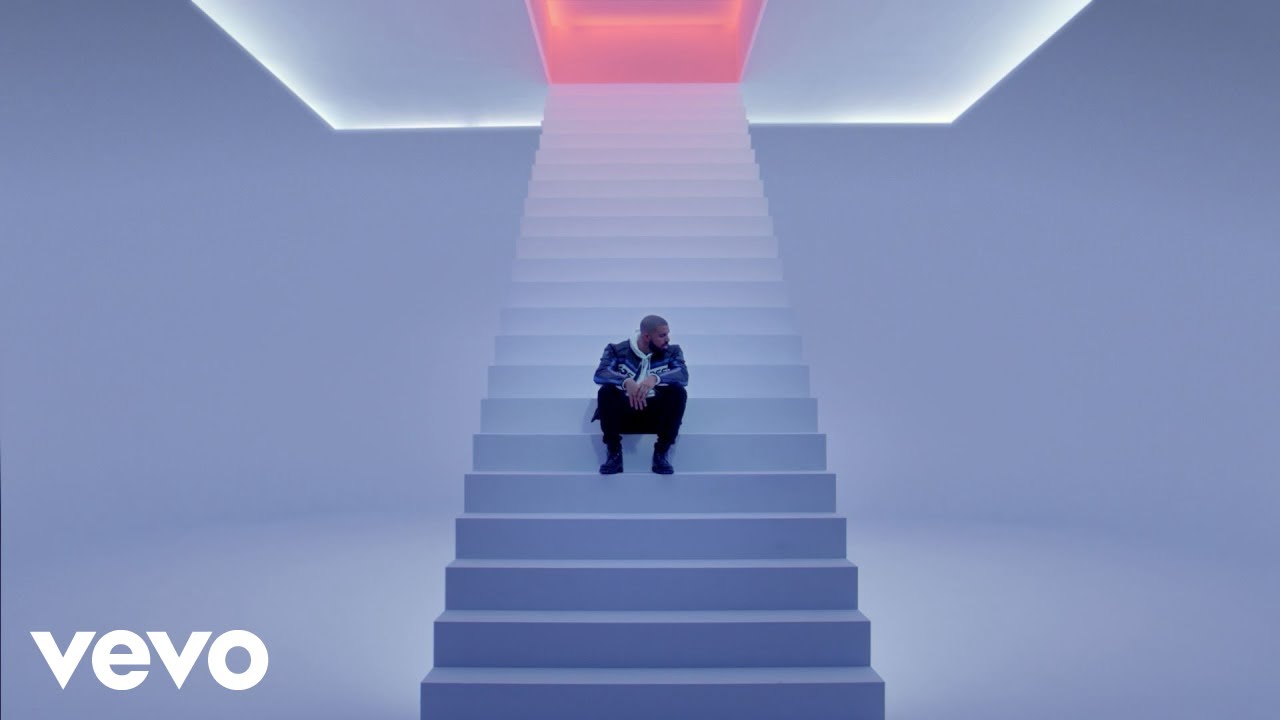




→ More from the 2010s File
View all 2010s hits →



Keep digging