The 2010s File Feature
Find Your Love
Find Your Love - Drake In the spring of 2010, Drake was still riding the momentum of his breakout mixtape and debut studio album, a rapper whose melodic inst…
01 The Story
Find Your Love - Drake
In the spring of 2010, Drake was still riding the momentum of his breakout mixtape and debut studio album, a rapper whose melodic instincts had already begun blurring the line between hip-hop and R&B in ways few of his peers had attempted so confidently. When Find Your Love arrived, it confirmed that his ambitions extended well beyond conventional rap songwriting, pairing his voice with a producer whose sonic fingerprints belonged to an entirely different musical world.
An Unlikely Pairing With Kanye West
The track's foundation came from Kanye West, whose production drew on West African highlife guitar textures rather than the boom-bap or trap sounds typically associated with hip-hop singles of the period. That choice gave the song an unmistakably warm, melodic identity distinct from almost anything else competing for airplay at the time. The song appeared on Drake's debut studio album, Thank Me Later, released in the summer of 2010, and quickly distinguished itself as one of the project's most emotionally direct offerings, a genuine, unguarded love song rather than a boastful anthem built around status or wealth.
A Steady, Confident Climb Up the Chart
The single debuted on the Billboard Hot 100 dated May 22, 2010, entering at position 34, already a strong showing that signaled immediate radio and streaming interest. From there, the record moved briskly upward, jumping to 20 in its second week and holding steady before continuing its ascent, reaching 15 and then 13 in successive weeks. The song eventually peaked at number 5 on the Hot 100, dated July 3, 2010, cementing it as one of the biggest hits of Drake's early career and a genuine crossover moment between hip-hop and mainstream pop radio.
Singing More Than Rapping
What made the track notable within Drake's still-developing catalog was how heavily it leaned on melody rather than verse-driven rapping. His vocal delivery throughout carries a plaintive, almost pleading quality, treating the song as a genuine sung confession rather than a rap performance dressed up with a hook. That willingness to foreground singing over rapping was still a somewhat unusual move for a hip-hop artist in 2010, and it helped establish the melodic, genre-blurring approach that would come to define much of Drake's subsequent career.
A Nineteen-Week Chart Run
The song's staying power on the Hot 100 extended well beyond its initial rise, ultimately logging 21 total weeks on the chart, a remarkably long run that reflected sustained listener demand rather than a brief burst of early enthusiasm. That longevity mattered commercially, keeping the track in heavy rotation across pop, rhythmic, and urban radio formats simultaneously, a crossover feat that few hip-hop-adjacent singles achieved with such consistency during that particular chart season.
Reshaping Expectations for a Young Artist
Coming so early in his recording career, the song's success helped establish Drake as an artist capable of dominating multiple lanes at once, equally comfortable delivering intricate rap verses and carrying an entire song on vocal melody alone. That versatility would go on to define much of his subsequent decade-plus of commercial dominance, but this single stands as one of the clearest early signals of exactly where that versatility was headed, a template later artists across hip-hop and R&B would study closely.
An Enduring Piece of His Early Catalog
More than a decade later, the song remains a fixture of Drake's live sets and a touchstone for fans tracing the evolution of his sound from mixtape-era rapper to genre-blending superstar. Its blend of West's distinctive production, Drake's vulnerable vocal performance, and the song's uncomplicated emotional directness gave it a staying power that many contemporaneous hip-hop singles from the same period simply haven't matched.
Play it now and you can hear the exact moment a rapper decided melody would be just as central to his identity as rhyme.
"Find Your Love" — Drake's singular moment on the 2010s charts.
02 Song Meaning
Find Your Love - Drake
Beneath its warm, guitar-driven production, this is a song about surrendering to vulnerability, an admission that love has taken hold whether the narrator was prepared for it or not. That directness marked a departure from the guarded, achievement-focused posture common in mainstream hip-hop at the time.
Falling Without a Safety Net
The lyric captures the specific disorientation of realizing you've fallen for someone deeply, describing that feeling with unusual candor rather than hiding it behind bravado or detachment. The narrator openly admits to being overtaken by emotion, framing love almost as an inevitability rather than a choice, something that arrives and simply has to be reckoned with. That framing gave the song emotional stakes distinct from typical hip-hop love songs of the era, which often kept a protective layer of cool between the artist and genuine sentiment.
A Plea Dressed as a Declaration
Structurally, the song functions almost as an invitation extended toward someone still uncertain, urging them to take the same emotional leap the narrator has already made. That structure turns the track into something closer to persuasion than pure confession, a narrator trying to talk another person into trusting a feeling that clearly frightens them both. The tension between confidence and uncertainty running through the lyric gives it a lived-in emotional complexity that elevates it above a simple romantic plea.
Melody as the Real Emotional Engine
Much of the song's meaning is carried by its performance rather than its lyrics alone. Drake's vocal phrasing stretches and bends around the melody in ways that emphasize longing over confidence, letting the music itself communicate uncertainty that the words only partially express. That vocal vulnerability, paired with West's melodic, almost pastoral production, gave the track an emotional register rarely heard in mainstream hip-hop up to that point, closer to soul balladry than rap bravado.
A Turning Point in How Rappers Discussed Love
Before this song's success, romantic vulnerability in hip-hop was often treated as a liability, something to be balanced carefully against a tougher public image. Its enormous crossover success helped demonstrate that audiences were not just willing but eager to embrace unguarded emotional honesty from rap artists, opening space for a wave of subsequent hip-hop and R&B hybrids built around similarly candid romantic material.
Why Listeners Connected So Strongly
Part of the song's broad appeal lies in how universally relatable its central emotion is: the terrifying, exhilarating moment of admitting real feeling to another person. That universal accessibility helped the song cross over into pop and rhythmic radio simultaneously, reaching listeners who might never have engaged with Drake's more rap-centered material. Its emotional plainness, rather than any lyrical complexity, is precisely what made it connect so widely.
A Confession That Still Resonates
Years later, the song still functions as a kind of emotional shorthand for a very specific feeling: the vertigo of falling for someone before you're entirely ready. That honesty, paired with a genuinely beautiful piece of production, gave the track a permanence in Drake's catalog that few of his early singles have matched, a confession dressed in melody that continues to resonate with new listeners discovering it for the first time.
"Find Your Love" — Drake's singular moment on the 2010s charts.
→ More from Drake
View all Drake hits →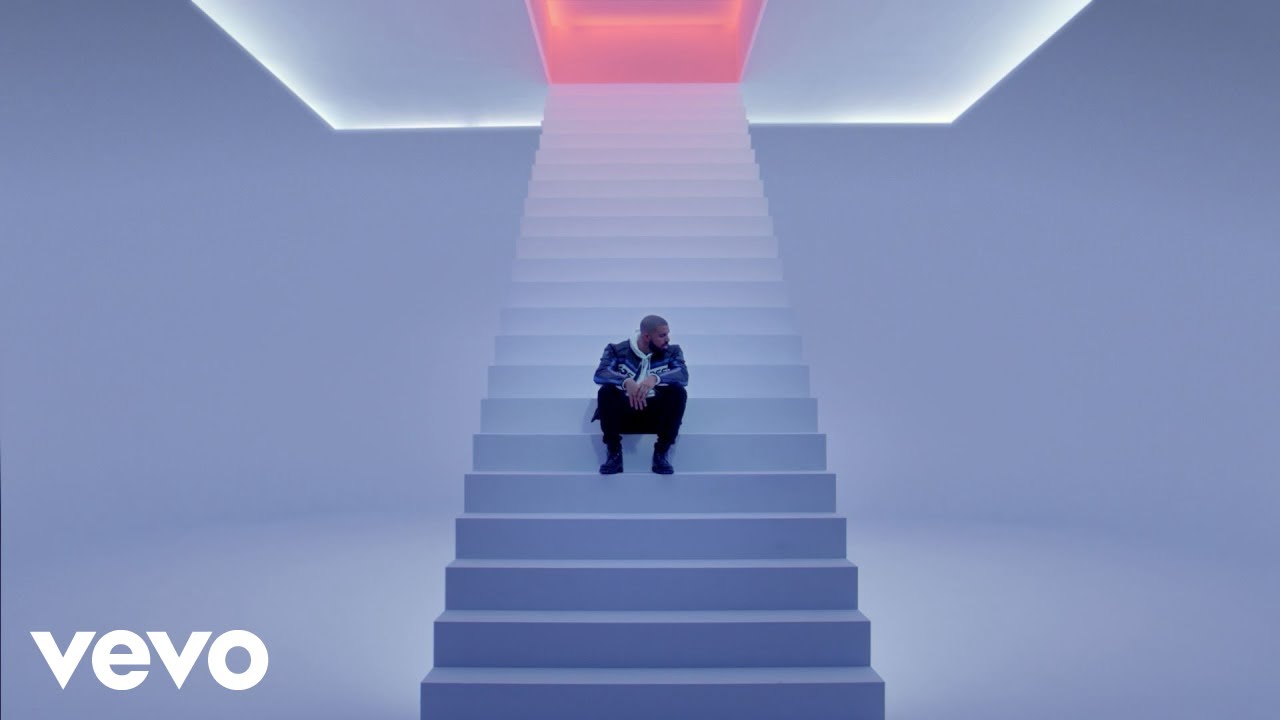



→ More from the 2010s File
View all 2010s hits →



Keep digging