The 2010s File Feature
HYFR (Hell Ya F*****g Right)
HYFR — Drake Featuring Lil Wayne By the time Drake released Take Care in November 2011, his position in hip-hop had shifted from promising newcomer to confir…
01 The Story
HYFR — Drake Featuring Lil Wayne
By the time Drake released Take Care in November 2011, his position in hip-hop had shifted from promising newcomer to confirmed superstar. His 2010 debut Thank Me Later had debuted at number one on the Billboard 200 and established him as one of the genre's most commercially potent forces. The anticipation surrounding Take Care was accordingly enormous, and the album fulfilled those expectations by becoming one of the defining hip-hop records of its era. Within that album, HYFR stood out as one of the more celebratory and brazenly confident statements, a track that situated Drake's personal and professional success within the context of his Toronto identity and his relationship with Cash Money and Young Money.
HYFR appeared on Take Care, released through Young Money Entertainment, Cash Money Records, and Republic Records on November 15, 2011. The production was handled by Noah "40" Shabib, Drake's primary creative collaborator and the architect of much of the sonic identity that distinguished Drake's sound from his contemporaries. Forty's production aesthetic, characterized by atmospheric, nocturnal textures, introspective melancholy mixed with moments of intense confidence, had become one of the most recognizable sounds in popular music, and HYFR represented one of the more upbeat, celebratory deployments of that aesthetic.
Lil Wayne's presence on HYFR was both commercially logical and symbolically significant. Wayne had been Drake's mentor and label boss, the person most responsible for bringing the Toronto rapper into the Young Money orbit and providing him with the platform that launched his mainstream career. Lil Wayne was one of the best-selling artists of the 2000s, having achieved a commercial peak with Tha Carter III (2008) that included extraordinary streaming and sales figures for the era. Having Wayne on a Take Care track was therefore simultaneously a tribute to their relationship and a commercial calculation, two of hip-hop's biggest names on a single song.
The track's musical backdrop is built on a sample of the classic Bar-Kays track "Holy Ghost," which gave the production a soulful foundation that connected it to a longer tradition of hip-hop production rooted in soul and funk samples. Forty's processing of the source material transformed it into something that felt current rather than retro, maintaining the warmth of the original while placing it in an unmistakably contemporary context. The combination of that soulful foundation with Drake's and Wayne's vocal performances created a track that was both ebullient and layered, fun on the surface and resonant underneath.
Take Care debuted at number one on the Billboard 200 and spent multiple weeks in that position, becoming one of the best-selling rap albums of 2011 and 2012. It won the Grammy Award for Best Rap Album, a recognition that affirmed both its commercial dominance and its critical standing. Within the album's arc, HYFR served as a moment of pure, unqualified confidence, a track that reveled in success without the introspective qualification that characterized many of Take Care's more celebrated songs.
The music video for HYFR, directed by Director X, staged the song as a Bar Mitzvah, a choice that connected directly to the lyrical content about Drake's Jewish heritage and his Toronto background. The video was visually inventive and self-aware, embracing the absurdity of the conceit while treating the underlying cultural reference with genuine respect. It became one of the more memorable videos of the album cycle and was widely discussed in the context of how hip-hop artists engaged with cultural identity.
The song charted on the Hot 100, contributing to the overall commercial performance of Take Care as an album. Radio play was supplemented by strong streaming performance, and the track became a fixture in Drake's live sets, where it could be deployed as a crowd-pleasing moment of unqualified celebration within the more emotionally complex arc of his concert performances.
Drake's Toronto identity was central to the song's cultural positioning, and his willingness to engage with the specific details of his background, including his Jewish heritage and the OVO Sound community he was building around himself, gave the track dimensions that extended beyond conventional hip-hop celebration and made it a more complex document of where Drake was personally and professionally at this peak moment in his early career.
02 Song Meaning
What HYFR Is About
HYFR is, at its most immediate level, an emphatic affirmation, a track in which Drake uses profane exuberance to confirm, endorse, and celebrate something. The question to which HYFR is an answer is one of authenticity: whether Drake is genuinely what he claims to be, whether his success is real, whether his identity is coherent. His answer is delivered with theatrical force and good humor, a performance of confidence that is also, paradoxically, a form of self-examination.
The song engages directly with Drake's biographical particulars in ways that his more oblique introspective tracks do not always do. His Jewish heritage, his Toronto upbringing, his background as a child actor on the television series Degrassi, these are all referenced not apologetically but as sources of pride and identity. The song represents Drake's most direct public embrace of the aspects of his background that critics sometimes used against him, the suggestion that his origins were too comfortable or too particular to fit conventional hip-hop narrative templates.
Lil Wayne's contribution to the track adds a generational dimension to the song's meaning. Wayne had been Drake's patron and mentor, and his presence on a track about authentic success and deserved recognition amounted to an endorsement from one of the genre's most respected figures. The intergenerational nature of the collaboration, the established superstar affirming the newer one, gave the song a legitimizing function within hip-hop's status economy that operated alongside its more obvious celebratory content.
The use of a Bar Mitzvah as the video's central conceit, which extended the song's cultural reference points into something visually concrete, also contributed to the meaning. A Bar Mitzvah is a rite of passage, a formal marking of a young man's arrival at adult responsibility and identity. Deploying this imagery in the context of a hip-hop success celebration was a witty and meaningful choice, suggesting that what the song was actually marking was Drake's own arrival, his formal acknowledgment that he had become who he was meant to become.
The theatrical confidence of the track should not obscure the fact that it was also a response to a particular critical moment. Drake had faced questions about his background and his authenticity that were unusual in their intensity, partly because he was genuinely different from the archetypes that hip-hop had previously celebrated. HYFR was, among other things, an answer to those questions, delivered not through argument but through performance, not through explanation but through emphatic assertion.
Within the emotional architecture of Take Care, HYFR serves as a necessary counterweight. The album contained some of Drake's most vulnerable and self-examining material, tracks where he acknowledged doubt, loneliness, and the costs of ambition. HYFR provided the album with a moment of pure, unmodified self-assurance, a reminder that the introspective persona was one aspect of a more complex figure who was also capable of uncomplicated celebration. The balance between those modes gave the album its remarkable emotional range and helped establish it as the definitive document of Drake's early peak.
→ More from Drake Featuring Lil Wayne
View all Drake Featuring Lil Wayne hits →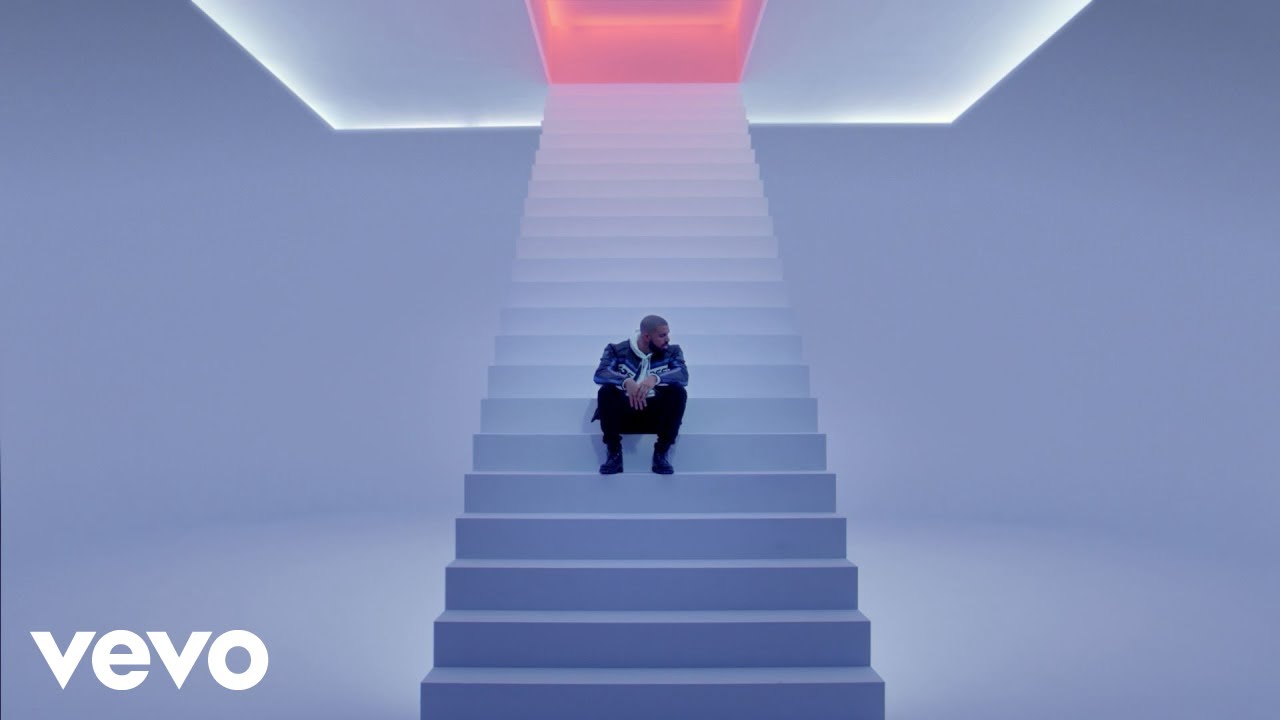
→ More from the 2010s File
View all 2010s hits →



Keep digging