The 2010s File Feature
Fireworks
Fireworks — Drake Featuring Alicia Keys (2010) "Fireworks" arrived as part of Drake's debut studio album "Thank Me Later," released in June 2010 on OVO Sound…
01 The Story
Fireworks — Drake Featuring Alicia Keys (2010)
"Fireworks" arrived as part of Drake's debut studio album "Thank Me Later," released in June 2010 on OVO Sound in partnership with Young Money Entertainment and Cash Money Records, distributed through Universal Republic. The album had been one of the most anticipated debuts in hip-hop in years, driven by the extraordinary commercial groundwork Drake had laid with mixtapes, particularly "So Far Gone" in 2009, which had already generated a Grammy-nominated single. When "Thank Me Later" finally appeared, it debuted at number one on the Billboard 200, and "Fireworks" was positioned as one of its most emotionally resonant album cuts.
The track featured Alicia Keys on the hook, a pairing that brought together two artists occupying very different but complementary spaces in popular music at the time. Keys was one of the most commercially successful and critically respected R&B artists of the 2000s, and her presence on the track elevated its profile while also signaling the emotional register Drake was aiming for: something more introspective and vulnerable than the harder edges of contemporary rap. The collaboration felt purposeful rather than opportunistic, with Keys's vocal performance lending the track a melodic weight that contrasted effectively with Drake's rapped verses.
Production on "Fireworks" was handled by Boi-1da, the Jamaican-Canadian producer born Jamal Archie, who had built a reputation as one of hip-hop's most reliable beat architects by the time of "Thank Me Later." Boi-1da's work on the track created a lush, cinematic backdrop that suited both Drake's introspective lyrical mode and Keys's melodic contribution. The production was spacious and atmospheric, drawing on string-laden arrangements and subtle percussion that gave the song the feel of a late-night confessional rather than a radio-friendly banger.
The song's lyrics dealt with Drake's complicated feelings about fame, ambition, and the personal relationships that his rising career had put under strain. Drake's signature move, turning his own ambivalence and emotional vulnerability into rap material, was on full display. The fireworks metaphor structured his meditation on moments of achievement that felt hollow or bittersweet because of the personal costs they carried, a theme that resonated with a young audience navigating similar tensions between aspiration and emotional wellbeing.
"Thank Me Later" sold more than 447,000 copies in its first week in the United States, according to Nielsen SoundScan figures at the time, establishing Drake as a genuine album-selling force and not merely a mixtape phenomenon. "Fireworks" benefited from the album's commercial halo, receiving substantial streaming attention and radio play in the album-oriented hip-hop and R&B formats. While it was not released as a traditional lead single, its profile within the album's reception was significant.
The cultural timing of "Thank Me Later" was near-perfect. Drake's emotionally open approach to rap was arriving precisely as mainstream hip-hop audiences were becoming more receptive to vulnerability and introspection as lyrical modes. The years between 2008 and 2012 saw a notable shift in what was permissible within commercial rap, and Drake, along with Kanye West's "808s & Heartbreak" era, was both responding to and accelerating that shift. "Fireworks" was one of the cleaner expressions of that sensibility, with Keys's presence in particular anchoring the track in R&B emotional tradition even as Drake's verses belonged firmly to hip-hop.
Critical reception for "Thank Me Later" was generally positive, with reviewers noting the album's ambition and Drake's remarkable ability to sustain emotional intimacy across a full-length project. "Fireworks" was frequently cited in reviews as one of the album's highlights, praised for its production quality and the effectiveness of the Drake-Keys pairing. Rolling Stone, Pitchfork, and other major outlets covered the album extensively, and "Fireworks" appeared in numerous track-by-track breakdowns as a standout moment.
In the years since its release, "Fireworks" has remained a touchstone in discussions of Drake's early catalog and his artistic identity. It captures a specific moment in his career when his ambition was enormous but his chart dominance was not yet total, when there was still something raw and searching in his music that later commercial success would complicate. The Alicia Keys collaboration has aged well, and the track is regularly included in retrospective assessments of both artists' work during one of the more creatively fertile periods in early 2010s pop and hip-hop.
02 Song Meaning
Fame, Ambivalence, and the Cost of Ambition in "Fireworks"
"Fireworks" is one of the earliest and most fully realized expressions of the thematic concern that would define Drake's entire career: the emotional complexity of success and the personal costs that achievement extracts. Where many rap narratives about success are triumphalist, Drake's approach on this track treats achievement as something layered and ambivalent, a burst of light that illuminates not only what has been gained but also what has been lost or left behind. Alicia Keys's presence on the hook amplified this emotional register, her voice carrying a kind of ache that grounded Drake's more analytical verses in felt experience.
The fireworks metaphor at the song's center is carefully chosen. Fireworks are spectacular and brief, beautiful precisely because they are temporary, and they leave the sky darker after they fade than it was before they lit up. Drake used this image to structure a meditation on moments of public triumph that felt privately hollow, instances where external recognition did not translate into internal satisfaction. That disjunction between outer success and inner experience was a subject he would return to repeatedly across subsequent albums, but on "Fireworks" it felt freshest and most urgent.
Drake's verses on the track also addressed relationship dynamics complicated by his rising profile. The experience of becoming famous while personal relationships were still forming or failing created specific tensions that he examined with unusual candor for the rap genre at the time. He was willing to portray himself as confused, emotionally incomplete, and not fully in control of his own narrative, qualities that made him feel accessible rather than superhuman and that distinguished his work from the more invulnerable self-presentations common in mainstream hip-hop.
Within the broader context of "Thank Me Later", "Fireworks" served as one of the album's emotional anchors, a moment where the more introspective themes that threaded through the record were given their fullest and most musically satisfying treatment. The album was explicitly framed as a document of a specific transitional moment in Drake's life, the passage from promising newcomer to established star, and "Fireworks" captured that transition at its most psychologically complex.
The song also reflected the cultural moment of 2010 in hip-hop more broadly. The genre was in the process of expanding its emotional vocabulary, accommodating forms of self-reflection and vulnerability that earlier commercial norms had largely excluded. Drake was both a beneficiary of that expansion and one of its primary architects, and "Fireworks" demonstrated why: he understood how to make introspection feel powerful rather than weak, how to turn uncertainty into an asset rather than a liability.
Keys's thematic contribution cannot be separated from the song's meaning. Her hook added a layer of longing and loss that contextualized Drake's verses and gave the track's emotional ambivalence a specifically romantic dimension. The combination suggested that what was at stake in the song was not merely abstract questions of success but the specific human connections that fame had put under pressure. That specificity gave "Fireworks" a resonance that outlasted the immediate cultural moment of its release and secured its place as one of the defining tracks of Drake's early period.
→ More from Drake Featuring Alicia Keys
View all Drake Featuring Alicia Keys hits →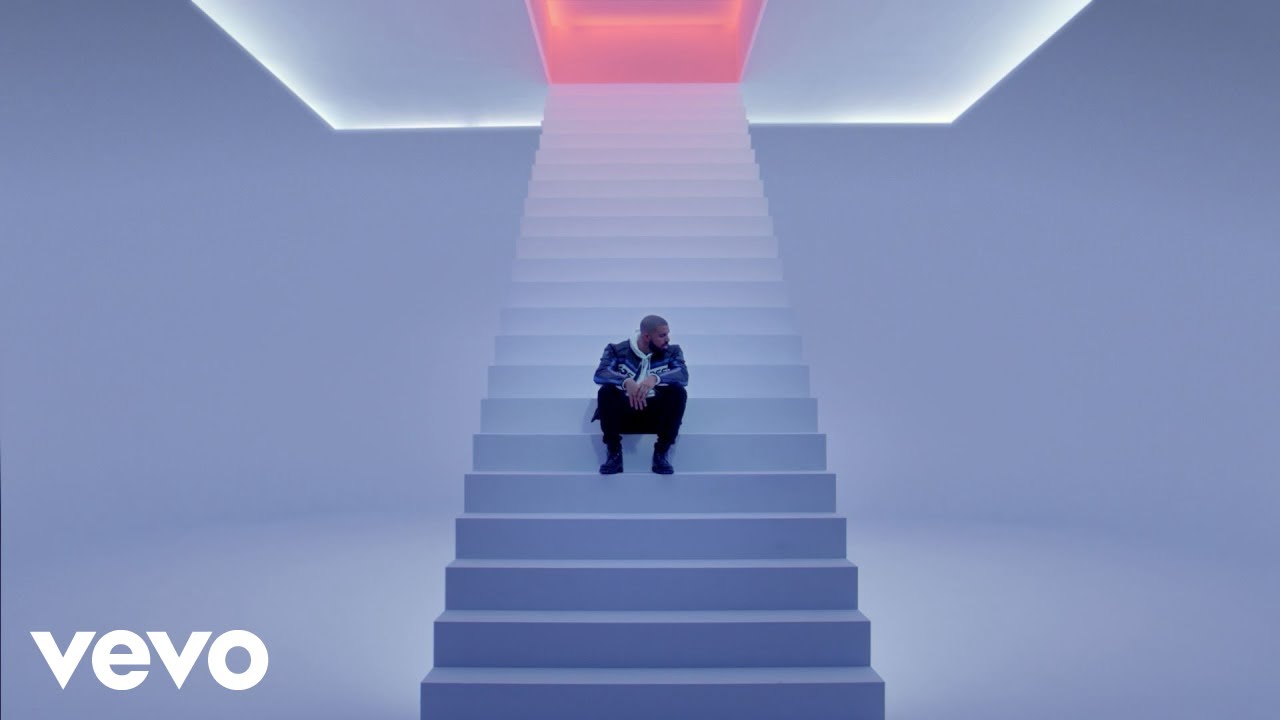



→ More from the 2010s File
View all 2010s hits →



Keep digging