The 2010s File Feature
Childs Play
Drake's "Child's Play": A Domestic Vignette from Views When Drake released Views in April 2016, the album arrived as one of the most anticipated projects in …
01 The Story
Drake's "Child's Play": A Domestic Vignette from Views
When Drake released Views in April 2016, the album arrived as one of the most anticipated projects in contemporary hip-hop. Among its many tracks, "Child's Play" stood out not for its sonic bombast but for its intimate, almost comedic portrayal of a relationship in disarray. The song peaked at number 49 on the Billboard Hot 100, spending 14 weeks on the chart, a respectable run that underscored Drake's ability to turn even minor album cuts into cultural talking points.
The track was produced by Boi-1da and Vinylz, two collaborators who had become fixtures in Drake's sonic universe by the mid-2010s. The beat is sleek and restrained, built around a shimmering keyboard line and a mid-tempo groove that gives the song a deceptively breezy feel. That lightness is key to the track's appeal. Drake is clearly frustrated throughout the song, yet the production keeps the mood from tipping into genuine anger, maintaining a tone closer to weary exasperation than outright conflict.
The lyrical content centers on a disagreement that escalates in what Drake frames as a childish and embarrassing public setting. The specificity of the scenario, a couple fighting inside a Cheesecake Factory, was widely noted by critics and listeners alike. That level of mundane detail was deliberate. Drake had built a significant portion of his brand on his willingness to document everyday relationship dynamics with an unusual degree of candor, and "Child's Play" pushed that tendency into frankly comic territory. The Cheesecake Factory reference became one of the most-discussed lines from Views, spawning considerable social media commentary and even a response from the restaurant chain itself.
Drake had by 2016 cemented his status as one of the defining voices of a generation of hip-hop that blurred the lines between rap and R&B, between vulnerability and swagger. Views was the culmination of a creative run that had included Take Care, Nothing Was the Same, and the mixtape If You're Reading This It's Too Late. The album debuted at number one and broke several streaming records upon its release, yet critical reception was mixed. Some reviewers found it overlong and uneven; others praised its ambition. "Child's Play" was generally cited among the more entertaining entries.
The song features a guest verse from Future, whose world-weary delivery provides an effective counterpoint to Drake's more animated storytelling. Future's participation was unsurprising given the frequency with which the two artists had collaborated throughout this period. Their 2015 collaborative mixtape What a Time to Be Alive had been a commercial success, and their stylistic chemistry carried over into this appearance. Future's section adds a layer of mutual commiseration, two men comparing notes on the difficulties of navigating romantic partnerships in the spotlight.
Thematically, "Child's Play" fits within a broader pattern visible across Views, a preoccupation with the emotional labor of maintaining relationships amid the complications of fame, distance, and differing expectations. Drake returns repeatedly on the album to scenarios in which his romantic life fails to meet some imagined standard of grace or maturity. "Child's Play" takes that theme and renders it in unusually literal terms. The title itself is a rebuke: the behavior being described is presented as juvenile, as unworthy of the adults involved.
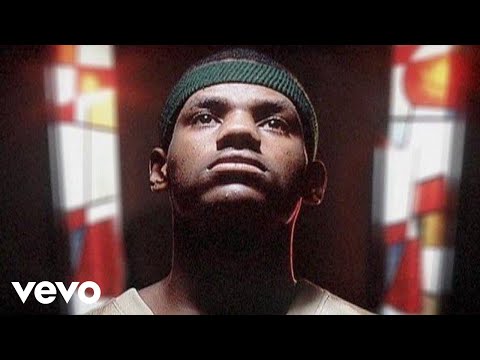
The accompanying music video, directed by Director X, leaned hard into the comedic interpretation of the material. It starred Tyra Banks and comedian Hannibal Buress, with the video framing the narrative as a kind of domestic farce. Buress's presence in particular gave the video a self-aware quality, signaling that Drake and his team were not taking the song's drama entirely at face value. The video received strong engagement online and helped sustain the track's visibility during its run on the charts.
Historically, "Child's Play" occupies an interesting position in Drake's discography precisely because of its lightness. In an era when hip-hop auteurs were frequently celebrated for their most emotionally heavy or sonically adventurous work, this song stood as evidence that Drake could also succeed with something more playful. Its chart performance was modest by the standards of his biggest hits, but its cultural footprint proved larger than its peak position might suggest. The Cheesecake Factory detail lodged itself in the collective memory of a generation of listeners, becoming a kind of shorthand for a very specific type of relationship argument, the kind that is simultaneously minor and mortifying.
Views as a project has since been reassessed several times, with many analysts placing it as a transitional work in Drake's catalog rather than a pinnacle. "Child's Play," however, has retained its reputation as one of the album's more genuinely enjoyable moments, a well-crafted, self-deprecating snapshot of romantic friction delivered with enough wit to keep it from becoming tedious.
02 Song Meaning
Domestic Frustration and Relationship Maturity in "Child's Play"
"Child's Play" is fundamentally a song about expectations within a romantic relationship, specifically the expectation that two adults should be able to navigate conflict without descending into behavior that feels embarrassing or infantile. Drake positions himself throughout the track as someone who is genuinely tired, not just of the specific argument being described, but of the pattern of behavior it represents. The title frames the entire scenario as beneath him, as something he should not have to endure at this stage of his life or career.
The Cheesecake Factory reference that anchors the song's most memorable passage is not simply a joke. It functions as a marker of incongruity: this is the wrong setting for this kind of scene. There is something inherently absurd about a serious relationship breakdown occurring in a chain restaurant known for its extensive dessert menu, and Drake exploits that incongruity to make a broader point about proportion. The fight is presented as being as mismatched to its surroundings as it is to the emotional investment Drake would apparently prefer to be making elsewhere.
Future's guest verse adds a secondary perspective that deepens the song's central argument. Where Drake's section is tinged with irritation and something close to embarrassment, Future brings a more resigned quality, as though he has arrived at the same conclusions through a different, equally exhausting route. Together, the two voices construct a portrait of men who have found romantic partnerships harder to manage than their public personas might suggest, a recurring theme across both artists' most revealing work.
There is also a status dimension embedded in the song that is worth examining. Drake is, by 2016, one of the most successful entertainers in the world. The idea that he is spending an evening arguing in a restaurant rather than experiencing something more commensurate with that status is part of what makes the scenario feel both funny and genuinely deflating to him. The song does not try to hide that dimension. It is present in the tone of weary disbelief that colors Drake's delivery throughout. He sounds like someone who expected better, from the relationship and from himself.
At a deeper level, "Child's Play" participates in a long tradition of R&B and hip-hop songs that use the textures of everyday domestic life as a canvas for larger emotional arguments. The mundane specificity of the setting is what gives the song its relatability. Listeners recognize the dynamic being described not because they have necessarily experienced fame, but because they have experienced the particular frustration of a conflict that feels simultaneously too small to matter and too persistent to ignore.
The song ultimately argues, without ever stating it directly, that emotional maturity is something that must be actively chosen rather than automatically acquired. The "child's play" of the title is a choice, a way of engaging with conflict that both parties could theoretically refuse. That Drake is narrating the situation rather than simply living it quietly suggests he is at some remove from it, already processing the experience as material. That self-awareness is part of what makes the song's tone so specific: it is the voice of someone who is still in the relationship but is also, somehow, already writing about it.
→ More from Drake
View all Drake hits →
→ More from the 2010s File
View all 2010s hits →




Keep digging