The 2010s File Feature
A Holly Jolly Christmas
A Holly Jolly Christmas: Burl Ives, Johnny Marks, and a Standard Built to Last "A Holly Jolly Christmas" was written by Johnny Marks , the composer who built…
01 The Story
A Holly Jolly Christmas: Burl Ives, Johnny Marks, and a Standard Built to Last
"A Holly Jolly Christmas" was written by Johnny Marks, the composer who built much of the architectural infrastructure of the modern American Christmas song catalog. Marks had already written "Rudolph the Red-Nosed Reindeer" and "Rockin' Around the Christmas Tree" before he crafted this particular holiday standard, and the pattern he had established with those earlier compositions is visible in "A Holly Jolly Christmas": a major-key melody of irresistible cheerfulness, a lyric built around accumulating seasonal imagery, and a structure compact enough to be absorbed in a single sitting while remaining memorable through many repetitions.
Burl Ives first recorded the song for the CBS television special "Rudolph the Red-Nosed Reindeer", which premiered in December 1964 and became the longest-running holiday television special in broadcast history. Within that special, Ives voiced the character of Sam the Snowman, a genial narrator whose function was to introduce the story and connect its episodes. The songs he performed in that role, including "A Holly Jolly Christmas," benefited from an extraordinary promotional vehicle: a network television broadcast that was watched by tens of millions of American households and that returned to the schedule every December for more than half a century.
The Decca Records release of the song, following the television broadcast, entered the commercial marketplace carrying the momentum of one of the most successful single-program television exposures any song had received to that point. Burl Ives was an established folk and popular entertainer with genuine credibility as a vocalist, and his delivery of the song matched its requirements perfectly: warm, unhurried, and possessed of the kind of avuncular authority that made it sound like an invitation rather than a performance. The record reached the charts and performed strongly in the Christmas season, establishing a pattern of seasonal re-entry that would continue for decades.
The recurring presence of "A Holly Jolly Christmas" on the Billboard Hot 100 during December is a function of both the song's enduring connection to the television special and the accumulated cultural weight of more than sixty years of seasonal plays. Modern streaming era chart methodology amplifies holiday songs' annual resurfaces more dramatically than the analog-era chart system did, but even under the older rules of radio airplay and physical sales, "A Holly Jolly Christmas" was a reliable December performer year after year. The annual chart re-entry pattern makes it one of the most reliably tracked holiday recordings in Billboard history.
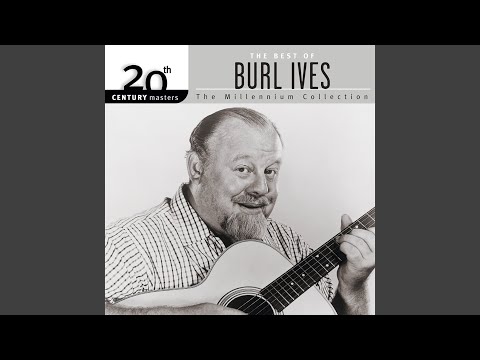
Burl Ives brought to the recording a career biography that was genuinely unusual for a pop holiday act. He had been a significant figure in the American folk revival of the 1940s and 1950s, an actor of considerable stage and screen accomplishment, and a popular entertainer whose appeal crossed generational lines in ways that few performers achieved. His voicing of Sam the Snowman in the Rudolph special drew on all of that accumulated authority and charm, and "A Holly Jolly Christmas" was the musical expression of the character he inhabited: generous, festive, and completely without cynicism.
Johnny Marks's publishing operation, which controlled the rights to a remarkable concentration of classic holiday material, ensured that "A Holly Jolly Christmas" received proper promotional and licensing support throughout the decades following its initial release. The song appeared on compilation albums, in television advertising, in retail environments, and in the background of holiday films and programs, accumulating exposure that kept it alive in the cultural memory between Decembers and primed listeners to respond to it when the season returned.
The television special's enduring presence on broadcast and cable schedules turned out to be the most powerful long-term promotional mechanism in the song's history. Each December broadcast exposed new generations of young viewers to Burl Ives's performance, creating the kind of cultural continuity that most songs can only achieve through deliberate re-recording campaigns. "A Holly Jolly Christmas" did not need to be covered repeatedly to remain current because the original performance kept being presented to new audiences in its original context, which is an unusual form of cultural preservation.
By any measure, "A Holly Jolly Christmas" must be counted among the most enduring holiday recordings in the American popular catalog. Johnny Marks's composition combined the melodic catchiness that distinguishes great pop songs from merely pleasant ones with a seasonal specificity that ensured it would be recalled and sought out at the same time each year. Burl Ives's performance gave it a definitive vocal interpretation that no subsequent cover version has displaced in the public imagination. Together, they produced a holiday standard that has demonstrated more commercial and cultural durability than almost any other seasonal recording of its era.
02 Song Meaning
A Holly Jolly Christmas: The Cheerful Invitation and the Architecture of Holiday Joy
"A Holly Jolly Christmas" belongs to the subset of holiday songs that function as direct invitations to festive experience rather than meditations on the emotional complexities of the season. The song does not address loss, nostalgia, or the gap between the holiday's promises and its realities. Instead, it offers something rarer and more difficult to achieve without condescension: a genuine, uncomplicated celebration of seasonal joy, executed with enough musical craft to remain pleasurable through many repetitions across many years.
Johnny Marks's lyrical approach in the song is cumulative: individual images of holiday pleasure are stacked in a sequence that builds the listener's sense of festive abundance without any single element carrying more weight than it should. The mistletoe, the holly, the simple exchange of greetings, the wish for good things, all function as equal contributors to an aggregate of seasonal warmth. This equal-distribution approach prevents any single line from becoming cliched in isolation while allowing the accumulation to feel substantial.
Burl Ives's vocal performance is inseparable from the song's meaning as it exists in popular culture. His slightly theatrical, storytelling approach to the melody, rooted in his folk entertainment background, gives the song a narrative quality that pure pop delivery might not achieve. He sounds like someone who has genuinely good news to share and wants to share it generously, which is precisely the emotional posture the song requires. No subsequent cover version has managed to displace this association in the listener's mind, which speaks to how completely Ives claimed the song as his own.
The song's placement within the "Rudolph the Red-Nosed Reindeer" television special gives it a dramatic context that amplifies its emotional meaning. Sam the Snowman, whom Ives voiced, introduces the holiday world of the special and narrates its story of an outcast who finds belonging and purpose. "A Holly Jolly Christmas" is sung within that context of ultimate acceptance and celebration, which gives the song's joyfulness a specific dramatic weight: it is the sound of a community welcoming all its members into the festive circle.
The generational transmission of the song through the television special's annual broadcasts has created an unusual relationship between the recording and its audience. Listeners who first encountered it as children watching the Rudolph special bring to subsequent hearings an accumulated emotional history that is deeply personal, even though the song itself makes no personal claims. This transfer of personal meaning onto a formally impersonal text is one of the mechanisms by which holiday standards achieve their particular cultural durability, and "A Holly Jolly Christmas" is a textbook example of the process.
For Burl Ives's artistic legacy, the song occupies a complicated position. He was a serious folk artist and an accomplished actor whose range extended far beyond the cheerful holiday entertainer role for which he is now perhaps most widely remembered. Yet the durability of "A Holly Jolly Christmas" in the culture suggests that his performance of it was not incidental to his gifts but an expression of them: the warmth and genuine good humor that animate the recording were qualities Ives had cultivated across a long and varied career, and Johnny Marks's song gave them their most permanent popular expression. That the recording continues to reach new audiences every December, more than sixty years after its first broadcast, is the most accurate measure of its meaning and its achievement.
→ More from Burl Ives
View all Burl Ives hits →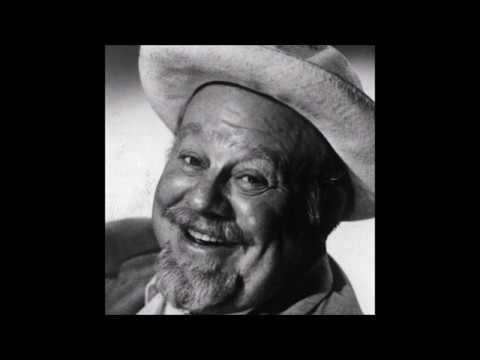
→ More from the 2010s File
View all 2010s hits →



Keep digging