The 2010s File Feature
Formation
"Formation" — Beyonce's Statement of Defiance and Identity The Saturday Before the Super Bowl On February 6, 2016, the afternoon before Super Bowl 50, Beyonc…
01 The Story
"Formation" — Beyonce's Statement of Defiance and Identity
The Saturday Before the Super Bowl
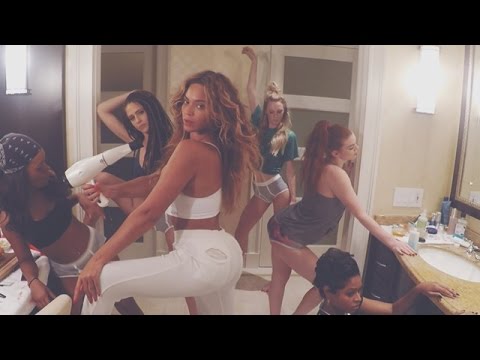
On February 6, 2016, the afternoon before Super Bowl 50, Beyonce released a music video on her TIDAL streaming service without advance announcement or promotional campaign. The cultural conversation shifted almost immediately. "Formation" arrived with the force of something that had been held back under pressure, a song and visual presentation that addressed race, Southern identity, Black feminism, and Hurricane Katrina's aftermath with a directness that had no precedent in the pop mainstream at that scale. By the following morning, when Beyonce performed the track at halftime of the Super Bowl in front of a hundred million television viewers, the cultural moment had already been set in motion.
The release strategy reflected a pattern Beyonce had established with her surprise self-titled album in December 2013, but "Formation" carried a different charge. Where the 2013 album had been a statement about creative autonomy and artistic control, this single was more explicitly political, more rooted in geography and history, and more confrontational toward power structures. It was the opening track of her visual album Lemonade, which would follow in April 2016, and it functioned as a declaration of what that larger work intended to do.
The Sound and Its Origins
The track was produced by Mike Will Made It and Beyonce herself, with additional production credited to Swae Lee (of Rae Sremmurd). The production pulled from New Orleans bounce music, a regional subgenre with deep roots in Black Southern club culture, incorporating its characteristic tempo, its bass weight, and its declarative rhythmic approach. The choice was not incidental; New Orleans bounce is music that emerged from and speaks to Black communities in the Gulf South, and anchoring "Formation" in that sonic tradition gave the song's lyrical content a specific geographic and cultural home.
The recording also incorporated samples and vocal interpolations, including a spoken word segment attributed to the late comedian and New Orleans performer Messy Mya, whose family later settled a lawsuit with Beyonce related to the use. The inclusion of that voice, urgent and specific and locally rooted, gave the track a documentary quality that distinguished it from the more polished surfaces of earlier Beyonce singles. The production felt like evidence rather than arrangement.
Number 10 on Debut Week
The Billboard Hot 100 entry for "Formation" reflected its unusual release context. The track debuted at number 10 on May 14, 2016, its peak position, after the song had already been in circulation for three months and had accumulated streaming and sales data from the Super Bowl performance and the subsequent release of Lemonade. It spent seven weeks on the chart. The chart methodology of that era incorporated streaming data alongside radio airplay and digital sales, and the song's passionate audience drove streaming numbers that translated into strong chart performance even without the conventional radio promotion cycle.
The Super Bowl halftime performance was itself a significant cultural event, involving dancers dressed in Black Panther-influenced costuming performing on the field of Levi's Stadium in Santa Clara, California. The visual references generated immediate media commentary, political response from law enforcement organizations, and scholarly analysis from cultural critics who saw in the performance a deliberate use of the most-watched American television broadcast as a platform for political expression at scale.
The Lemonade Context
As the opening track of Lemonade, "Formation" carried additional weight beyond its function as a standalone single. The visual album as a whole addressed themes of infidelity, Black womanhood, ancestral memory, and Southern history, and "Formation" served as its thesis statement, establishing the political and aesthetic frame through which all the subsequent material would be understood. It was an unusual structural choice to open an album about personal betrayal and reconciliation with a song that operates so explicitly in the political register; that tension between the personal and the political was one of the central formal achievements of Lemonade as a complete work.
The album debuted at number one on the Billboard 200 and was later named Album of the Year at the Grammy Awards, where it lost to Adele's 25 in a decision that generated its own substantial cultural debate. "Formation" received Grammy nominations in its own right, and the song's cultural footprint extended far beyond its chart performance.
The Conversation It Opened
Songs that initiate large cultural conversations are rare, and "Formation" was one of the defining examples of the 2010s. The track arrived at a moment of intense national debate about race, policing, and the political meaning of cultural expression, and it joined that debate with specificity, skill, and an enormous platform. Beyonce was among the most commercially successful recording artists in the world, and directing that reach toward material this explicitly grounded in Black Southern identity and political resistance was a consequential choice that the record's commercial and critical reception validated. Put it on now and feel the weight of that Saturday in February 2016 when everything changed.
"Formation" — Beyonce's singular moment on the 2010s charts.
02 Song Meaning
"Formation" — Southern Roots, Black Power, and the Reclamation of Identity
Geography as Politics
At its foundation, "Formation" is a song about place. Beyonce's insistence on her Southern Louisiana roots, her grandmother's spirit, the specific textures of Black life in the Gulf South, operates as a political act in a cultural environment that often erases regional specificity in favor of a generic American identity. By opening Lemonade with images of New Orleans and assertions of her roots in that tradition, Beyonce was claiming an inheritance that mainstream American culture has historically acknowledged selectively, celebrating the music and food and style of Black Southern culture while failing to protect its people from the institutional failures exemplified by the federal government's response to Hurricane Katrina.
The lyrical references to Katrina and its aftermath were among the most discussed elements of the song and its visual presentation. The flooding, the displacement, the abandoned city, and the disproportionate impact on the Black community were invoked not as background context but as central subject matter. The choice to ground a major commercial release in Katrina's legacy, more than a decade after the disaster, insisted that the accounting remained incomplete and that the refusal to forget was itself a form of political resistance.
Black Feminism and Self-Determination
The song's celebration of Black feminine identity draws on a tradition of self-definition in the face of external devaluation. Its narrator asserts physical, cultural, and economic self-possession with an accumulation of specific, confident detail. The lyrical catalog of identity markers functions as a counter-archive, a record that insists on the value and complexity of experiences that mainstream culture has consistently undervalued or ignored.
The references to hair texture, to skin tone, to the specifics of Southern Black cultural practice, were read by many Black female listeners as a form of public acknowledgment that rarely reached this kind of mainstream visibility. The political valence of celebrating these particularities on the world's most-watched sporting event broadcast was not lost on either the song's enthusiastic supporters or its critics. The song generated both intense enthusiasm and organized opposition, which is precisely the response one expects from art that refuses to be neutral.
The Bounce Tradition and Cultural Ownership
By rooting "Formation" in New Orleans bounce music, Beyonce made a choice that had implications beyond sonic texture. Bounce is a music made by and for Black LGBTQ+ communities in New Orleans, a genre whose debt to queer performers and culture is foundational and explicit. Incorporating that tradition into a mainstream pop release carried the cultural history of the source material with it, and the song's enthusiastic reception within Black LGBTQ+ communities reflected an acknowledgment of that debt.
The song's production also made visible the labor and creativity of regional Black music scenes that rarely achieve the mainstream recognition their influence deserves. New Orleans bounce had shaped hip-hop broadly and had a distinct and documented lineage that predated and exceeded its moment of mainstream spotlight. "Formation" gave that lineage a wider audience, even as debates about the terms of that broadening access were part of the cultural conversation the song generated.
The Political Moment and Its Demands
Released during a period of sustained national activism around police violence against Black Americans, "Formation" arrived into a conversation already at high temperature. The song and its visual presentation engaged that conversation directly, referencing the Movement for Black Lives and the specific imagery of protest that had defined the preceding years. The Super Bowl halftime visual of dancers in Black Panther-influenced costumes raised the temperature further, inserting an explicit historical reference to Black political resistance into the center of American popular entertainment.
The song's lasting meaning is inseparable from that context. It was made for that moment, addressed that moment with care and skill, and became part of the historical record of what cultural expression looked like when artists chose to use their platforms for explicit political engagement. That choice, and the quality of the work through which it was made, secured the song's place in the cultural memory of the 2010s.
"Formation" — Beyonce's singular moment on the 2010s charts.
→ More from Beyonce
View all Beyonce hits →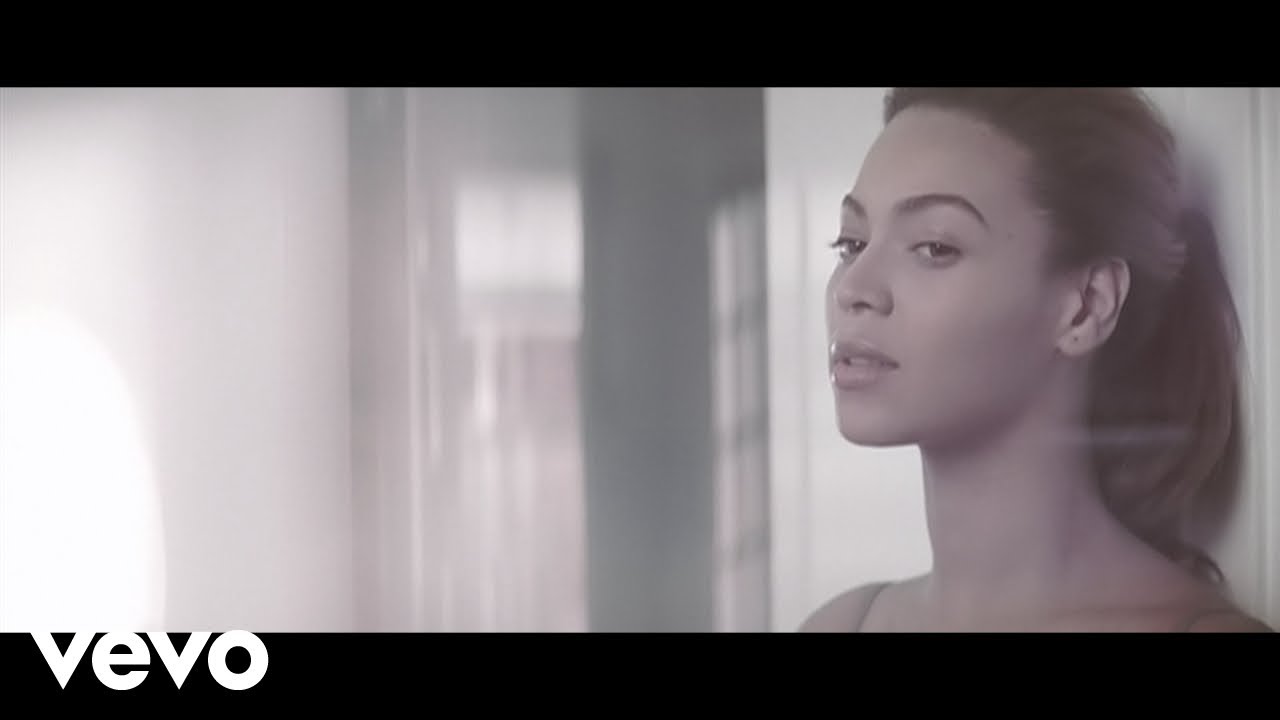
→ More from the 2010s File
View all 2010s hits →



Keep digging