The 2000s File Feature
If I Were A Boy
Recording and Release History of "If I Were a Boy" by Beyonce "If I Were a Boy" was released on October 8, 2008, as a lead single from Beyonce's third studio…
01 The Story
Recording and Release History of "If I Were a Boy" by Beyonce
"If I Were a Boy" was released on October 8, 2008, as a lead single from Beyonce's third studio album, I Am... Sasha Fierce. The album arrived on November 18, 2008, through Columbia Records and Music World Entertainment, and represented a deliberate artistic division: one half, represented by the I Am... portion, explored introspective, emotionally vulnerable territory, while the other, the Sasha Fierce half, embraced the harder-edged dance and club material associated with Beyonce's performance alter ego. "If I Were a Boy" served as the opening statement of the album's emotional side.
The song was written by BC Jean and Toby Gad, who composed it as a demo that originally circulated without Beyonce's involvement. BC Jean, a singer-songwriter whose full name is Brittany Jean Crawley, wrote the track based on personal experience and shopped it to various artists before it reached Beyonce's team. Toby Gad, the German-born songwriter and producer who has written for a wide range of major pop artists, co-wrote and produced the final version. When Beyonce's camp acquired the song, Jean has acknowledged in interviews that she was initially disappointed to lose the track but later recognized the amplified impact it achieved with a global superstar as the performer.
The recording itself is defined by its restraint. Toby Gad's production strips the arrangement to essentials: piano, understated rhythm section, and carefully placed orchestral accents that frame Beyonce's vocal without competing with it. The decision to keep the sonic landscape open and relatively sparse was deliberate, allowing the emotional content of the lyric to remain the primary vehicle for engagement rather than production spectacle. This approach contrasted sharply with the other lead single from I Am... Sasha Fierce, "Single Ladies (Put a Ring on It)," which deployed a minimalist but aggressively percussive production style oriented toward the dancefloor.
On the Billboard Hot 100, "If I Were a Boy" debuted at number 100 on the chart dated October 25, 2008, and made one of the most dramatic single-week leaps in the chart's history at that time, vaulting from number 68 to number 3 on the chart dated November 8, 2008. It spent twenty weeks on the Hot 100 overall, with its peak position of number 3 representing a commercial achievement consistent with Beyonce's status as one of the most commercially reliable artists of the era. The song was prevented from reaching number one by the extraordinary success of T.I. featuring Rihanna's "Live Your Life" and other dominant titles of that autumn cycle.
Internationally, the track proved even more successful. In the United Kingdom, "If I Were a Boy" reached number one, as it did in Australia, Ireland, the Netherlands, Switzerland, and several other European and Anglophone markets. Its global chart performance established it as one of the most internationally successful singles of Beyonce's solo career up to that point, a designation it has retained in retrospective assessments of her discography.
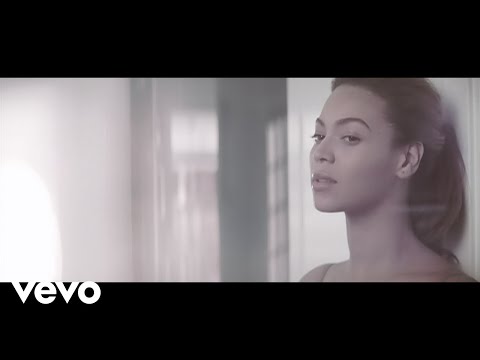
The music video, directed by Jake Nava, who had also directed several earlier Beyonce visuals including "Crazy in Love," presented a stylized narrative in which gender roles within a romantic relationship are reversed, with Beyonce portraying a male police officer and her then-husband Jay-Z's brother-figure standing in as a male counterpart in a domestically recognizable scenario. The video was praised for its visual coherence with the song's lyrical themes and received heavy rotation on MTV and other music video platforms.
The song earned multiple Grammy Award nominations as part of the broader recognition of the I Am... Sasha Fierce album, which won six Grammy Awards at the 52nd Grammy Awards ceremony held in January 2010, including Song of the Year for "Single Ladies." "If I Were a Boy" received nominations including Best Female Pop Vocal Performance, underscoring its recognition within the recording industry as one of the defining vocal performances of 2008.
In the years following its release, "If I Were a Boy" accumulated a YouTube view count exceeding 649 million, affirming its continued resonance with successive generations of listeners who encounter it not necessarily through its original radio moment but through streaming platforms and social media recommendation. Its sustained audience engagement reflects both the enduring power of its core lyrical premise and the quality of Beyonce's vocal performance, which critics consistently identify as among the finest of her recorded work.
02 Song Meaning
Themes and Meaning of "If I Were a Boy" by Beyonce
"If I Were a Boy" is organized around a single counterfactual premise: the narrator imagines what her behavior and treatment of her partner would look like if she occupied the social position of a man. Through this imaginative exercise, the song examines the structural asymmetries in heterosexual relationships, specifically the different standards of accountability, freedom, and emotional consideration that the narrator perceives as being available to men but not to women in comparable romantic situations.
The lyrical construction is careful to frame the narrator's argument through specific, domestic behaviors rather than abstract assertions. She describes concrete actions, the freedom to spend time with friends without accountability, to conduct a romance on one's own terms, to withhold emotional labor without consequence, and then pivots to reveal that these same freedoms, exercised by the man in her actual relationship, have caused her significant pain. The rhetorical move transforms the hypothetical into an indictment by demonstrating that the imagined behaviors are not fantasies but actual grievances reconstructed from a different perspective.
This structure gives the song its emotional authority. Rather than staging a general complaint about gendered double standards, it personalizes the critique through the narrator's own experience, anchoring the argument in recognizable relational dynamics. The specificity makes the song's emotional claims feel earned rather than abstract, which contributed significantly to its widespread identification among audiences who found in its narrative a precise articulation of experiences they recognized from their own lives.
The song also addresses the limits of empathy within intimate relationships. The narrator's repeated invocation of what she would do "if she were a boy" is less an expression of desire to be male and more an expression of frustration that the man in her life cannot or will not perform the imaginative exercise she is modeling. The implicit demand is for perspective-taking: for her partner to understand her experience by imagining himself in her position. The song thus functions as a meditation on the failure of empathic reciprocity as a source of relational breakdown.
Cultural reception of the track was substantial and sustained. Critics identified it as one of the more nuanced treatments of gender disparity to reach mainstream commercial pop in the late 2000s, noting that it avoided the more retaliatory framing common to breakup songs in favor of something closer to genuine grief and bewilderment. This tonal choice gave the song a broader demographic reach, resonating not only with listeners who identified with the narrator's grievances but also with those who found in it an uncomfortable but honest mirror for their own relational behaviors.
Beyonce's vocal performance is widely regarded as central to the track's impact. The restraint she exercises in the verses, the controlled quality of her delivery that refuses to tip into melodrama before the emotional swell of the bridge, demonstrates a sophisticated interpretive judgment that shapes how the lyrical content lands emotionally. By holding back the full expressive power of her instrument until the song's most demanding moments, she creates a dynamic that mirrors the narrator's own suppressed feelings finding expression.
In the broader landscape of female pop songwriting in the 2000s, "If I Were a Boy" contributed to a growing body of mainstream commercial recordings that addressed gender dynamics with more analytical sophistication than the genre had typically deployed. Its continued appearance in discussions of feminist themes in popular music reflects its status as a track that managed to introduce genuine critical content into a commercial format without sacrificing the emotional accessibility that made it a radio hit. It remains one of the most frequently cited examples of Beyonce's capacity to work within mainstream pop conventions while maintaining substantive thematic ambition.
→ More from the 2000s File
View all 2000s hits →


Keep digging