The 2010s File Feature
Before I Let Go
"Before I Let Go" — Beyonce A Homecoming That Reached Backward The spring of 2019 brought one of the most discussed cultural events in recent pop history: Be…
01 The Story
"Before I Let Go" — Beyonce
A Homecoming That Reached Backward
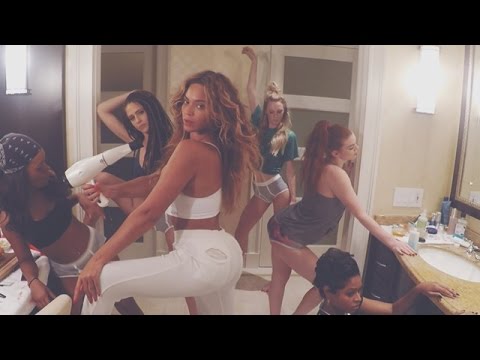
The spring of 2019 brought one of the most discussed cultural events in recent pop history: Beyonce's performance at the Coachella Valley Music and Arts Festival, documented and expanded into the Netflix concert film Homecoming. At the heart of that experience was something unexpected from an artist known for introducing new material. Rather than a forward-looking statement, Beyonce reached back, covering a track that had been a staple of Black American social culture for decades. Her version of "Before I Let Go" became a revelation to millions of listeners encountering the song's deep roots for the first time, while functioning as an act of explicit cultural reclamation for those who already knew it.
The original "Before I Let Go" was recorded by the Houston R&B group Frankie Beverly and Maze, released in 1981 on the album Live in New Orleans. Over the subsequent four decades it became one of the most beloved songs in the tradition of the Black cookout and family gathering, the kind of track that functions as communal soundtrack rather than radio hit, known and loved through direct social transmission rather than mainstream chart exposure. Beyonce's decision to record her own version, produced with a contemporary feel while preserving the emotional core, was an act of pointed cultural acknowledgment.
The Production and Sound
Beyonce's "Before I Let Go" arrived on May 3, 2019, released alongside the Homecoming film and album. The production updates the original while keeping its fundamental character intact: the groove, the horns, the sense of collective joy that made the Frankie Beverly and Maze version so durable. Beyonce's vocal performance is expansive, delivering lines with the confidence of an artist at absolute peak ability, but the arrangement is careful not to overwhelm the song's inherent warmth with contemporary production excess.
The version debuted on the Billboard Hot 100 at number 75 in the chart dated May 4, 2019, then rose to its peak position of 65 the following week. Over the sixteen weeks it spent on the chart, it demonstrated a staying power that reflected genuine listener enthusiasm rather than just opening-week streaming spikes, sustained by the cultural conversation surrounding Homecoming and the broader discussion the film prompted about Beyonce's artistry and her relationship to Black American tradition.
Homecoming and the HBCU Tradition
The choice to build the Coachella performance around the aesthetic of an HBCU (Historically Black College and University) homecoming celebration was itself a significant artistic and political statement. HBCUs occupy a specific and cherished place in African American cultural life, and the homecoming tradition in particular is a celebration of community, identity, and shared history. "Before I Let Go" had long circulated in those community contexts, making its inclusion in the Coachella set feel organic rather than calculated.
By foregrounding this song in a performance seen by hundreds of millions of viewers, Beyonce effectively introduced the Frankie Beverly and Maze catalog to an enormous global audience while also signaling, to those who already knew the original, that she was working within a tradition rather than simply borrowing from it. The gesture was widely received as an act of love and respect rather than appropriation.
Chart Legacy and Cultural Impact
Sixteen weeks on the Billboard Hot 100 was a meaningful achievement for a cover recording of a song that had never itself charted, released as part of a concert film rather than a standalone pop single. The number reflects the genuine groundswell of interest that Homecoming generated, as listeners followed the threads of the performance into the broader cultural history it was drawing on. Streaming numbers for both Beyonce's version and the original Frankie Beverly and Maze recording surged simultaneously, a striking example of how a contemporary artist's engagement with classic material can revitalize the source.
The track also reminded observers of Beyonce's particular skill as a curator, her ability to identify material that carries specific cultural weight and to present it in a way that honors that weight while making it newly accessible. This is a more delicate task than it might appear: too much update and the original's soul evaporates; too little and the purpose of recording it at all becomes unclear. The Beyonce version navigates that balance with evident care, arriving at something that functions as both tribute and reinvention. Put it on and let it take you somewhere warm.
"Before I Let Go" — Beyonce's singular moment on the 2010s charts.
02 Song Meaning
"Before I Let Go" — Meaning, Themes, and Cultural Resonance
Love, Loyalty, and the Fear of Loss
At its emotional foundation, "Before I Let Go" is a song about holding on. The original Frankie Beverly and Maze composition circles around the determination not to release a relationship without first knowing it is genuinely over, a sentiment that manages to be both deeply personal and universally accessible. The speaker is not passive or resigned; there is energy and will in the refusal to simply walk away, a quality that gave the song its particular resonance in social and community settings where it has been played for over forty years. Beyonce's 2019 version preserves this emotional architecture while adding her own interpretive weight to each phrase.
The thematic power of the song lies in its refusal of easy closure. Rather than dramatizing a breakup or celebrating reunion, it sits in the space between, in the moment of active decision-making about whether love is worth fighting for. That emotional territory is timeless, which accounts for much of the track's extraordinary durability across decades of cultural change.
Community, Memory, and Black Cultural Tradition
The deeper significance of Beyonce's version cannot be separated from its context within the Homecoming project. The song had spent nearly four decades circulating through Black American communal life, appearing at cookouts, family reunions, and homecoming celebrations, accruing layers of shared memory and social meaning that no chart position could measure. By bringing it to the Coachella stage, Beyonce made visible a tradition that mainstream pop culture had largely ignored, presenting it to a global audience while signaling to Black listeners that this inheritance was being honored rather than extracted.
This distinction matters. Popular music has a long history of mainstream artists drawing from Black American musical traditions without acknowledgment. Beyonce's approach was explicitly the opposite: the sourcing was foregrounded, the original was named, and the gesture was framed as love and homage rather than raw material for a new product. The result was a version that existed in relationship to its origin rather than trying to erase it.
The HBCU Connection
The broader Coachella performance, organized around the aesthetic and energy of HBCU homecoming celebrations, gave "Before I Let Go" a specific staging that amplified its meaning. HBCU homecomings are themselves communal rituals of affirmation, celebrations of identity and achievement within institutions that have historically provided opportunity when other doors were closed. The song functioned within that context as an expression of collective love, not just between two individuals but between a community and its own history.
Beyonce's choice to anchor such a significant performance in explicitly Black cultural institutions and traditions was itself a statement about what popular music could look like when it refused to erase its own genealogy. "Before I Let Go" was the perfect vehicle for that statement: beloved, deep-rooted, and carrying within its grooves a long history of joyful, communal experience.
Why the Song Endures
Both the Frankie Beverly and Maze original and Beyonce's version benefit from a fundamental musical warmth that transcends any particular era's production trends. The groove is generous, the horns lift the spirit, and the vocal performance invites full engagement rather than passive listening. Songs built on this kind of generous, unironic warmth are rarer than they might seem in a popular music landscape that often equates sophistication with cool detachment.
The song's sixteen weeks on the Hot 100 in 2019 reflected the way streaming had changed which recordings could find chart life, allowing a deeply felt, word-of-mouth embrace to translate into measurable commercial performance. But the numbers ultimately matter less than the experience: this is a song that earns its place in every gathering where it plays.
→ More from Beyonce
View all Beyonce hits →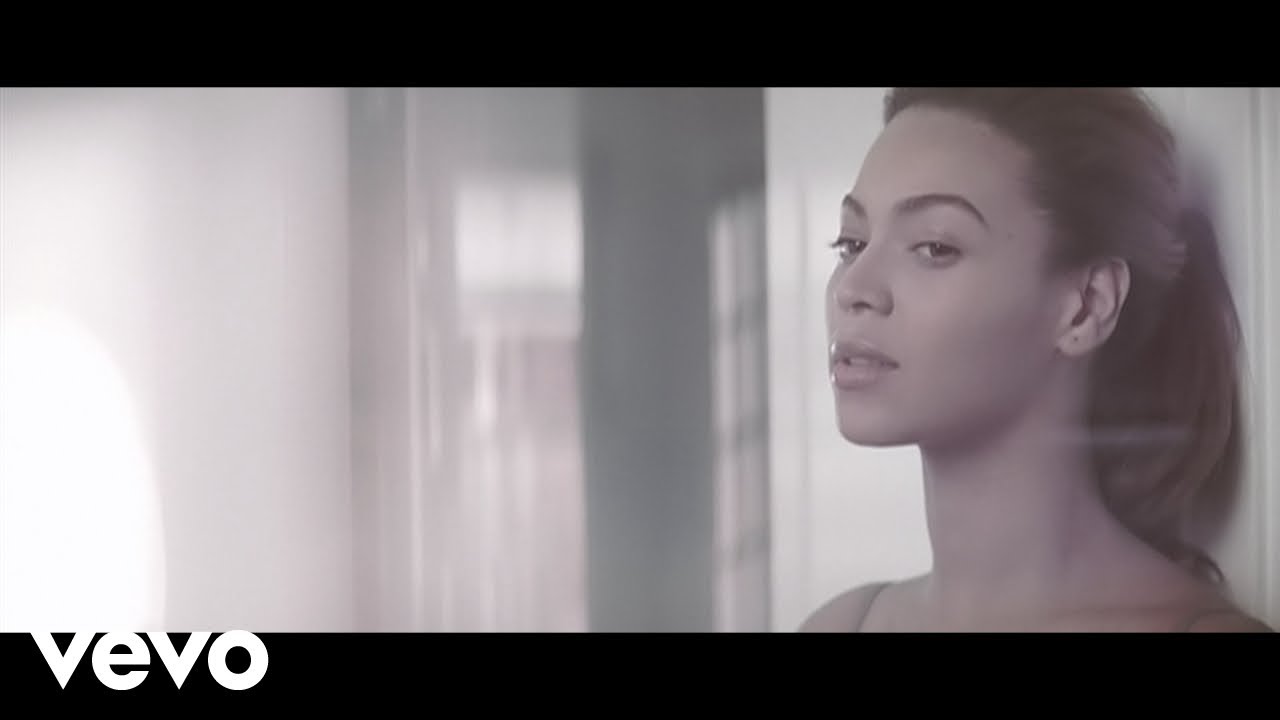
→ More from the 2010s File
View all 2010s hits →


Keep digging