The 2000s File Feature
Hood Figga
"Hood Figga" — Gorilla Zoe Atlanta's Underground Rising The summer of 2007 in Atlanta hip-hop felt electric with new energy. T.I. was in the middle of one of…
01 The Story
"Hood Figga" — Gorilla Zoe
Atlanta's Underground Rising
The summer of 2007 in Atlanta hip-hop felt electric with new energy. T.I. was in the middle of one of the most commercially dominant runs in Southern rap history. Lil Wayne had begun his ascent toward the critical mass that would make Tha Carter III an event. Soulja Boy was about to detonate "Crank That" across every radio station in the country. Into this crowded landscape came Gorilla Zoe, a Bankhead neighborhood native from Atlanta whose raw delivery and street-level charisma cut through the noise in ways that surprised observers who hadn't been tracking the city's underground scene. "Hood Figga," his debut single, became one of the summer's unmistakable rap songs, a track that arrived from the Atlanta streets and refused to make apologies for what it was.
The Artist and His Moment
Leavie Carter Jr., recording as Gorilla Zoe, came up in circumstances that shaped his lyrical perspective directly. He signed with Block Entertainment, the Atlanta label founded by Jonni "Blu" Roscoe, which distributed through Capitol Records and gave Zoe the commercial infrastructure to push "Hood Figga" into mainstream awareness. His debut album Don't Feed Da Animals was released in 2007, and the single served as its commercial calling card. The Atlanta rap community had long operated in interconnected networks of neighborhood affiliations and independent label structures that fed talent into the major-label system, and Gorilla Zoe's path through that system was characteristic of how the city's hip-hop ecosystem worked.
The Track's Construction
Gorilla Zoe's vocal style on "Hood Figga" emphasized a gritty, low-registered delivery that suited the production's dark, hard-driving aesthetic. The track deploys the Atlanta trap template that had been refined through the work of producers like Shawty Redd and others operating in the city's beat-making underground, with layered 808 drums, synthesizer patches designed for maximum bass-system impact, and a tempo calibrated for slow, purposeful movement rather than the frenetic energy of crunk. The lyrics catalog street credentials and neighborhood identity with the directness characteristic of Southern rap's unmediated street perspective, the "figga" of the title being Atlanta vernacular for a person who has achieved a certain status through their own means.
The Chart Performance
"Hood Figga" debuted on the Billboard Hot 100 on August 11, 2007, entering at position 100. From that entry point, the song built steadily, climbing through the late summer months and reaching its peak position of 38 on November 3, 2007. The twenty-week chart run, spanning from August through December, demonstrated sustained commercial momentum well beyond the initial promotional push. A debut single reaching number 38 on the Hot 100 in 2007, a competitive year for hip-hop radio, represented genuine commercial penetration for a new Atlanta artist working through an independent label structure. The chart performance announced Gorilla Zoe as a presence that extended beyond Atlanta's local scene into the national hip-hop conversation.
Atlanta's Continuing Dominance
The success of "Hood Figga" in 2007 should be understood within the broader context of Atlanta's extraordinary run of hip-hop influence in the 2000s. The city had become the undisputed center of Southern rap's commercial dominance, producing hits from Outkast, Ludacris, T.I., Young Jeezy, Lil Jon, and dozens of other artists who collectively reshaped what mainstream hip-hop sounded like. Gorilla Zoe's debut single was a contribution to this ecosystem, drawing on the same raw materials of Atlanta street culture and trap-adjacent production that the city had been refining for nearly a decade. His success helped demonstrate that Atlanta's hitmaking machinery could elevate new artists even in a market thick with established stars competing for the same radio slots.
A Street Document Worth Hearing
Gorilla Zoe's subsequent career produced additional material, but "Hood Figga" remains his most commercially significant moment, the track that put his name on the national chart and introduced his particular Atlanta perspective to listeners across the country. Press play and you'll hear 2007's Atlanta rap underground in sharp, unfiltered focus, exactly what the city's streets sounded like when they were making some of the most vital hip-hop being recorded anywhere.
"Hood Figga" — Gorilla Zoe's singular moment on the 2000s charts.
02 Song Meaning
"Hood Figga" — Themes, Street Identity, and Atlanta's Hip-Hop Vernacular
Street Status as Self-Definition
The concept embedded in the title of Gorilla Zoe's debut single is rooted in Atlanta's particular hip-hop vernacular, where "figga" describes a person of recognized status within the street community, someone who has earned their standing through demonstrated character rather than inherited position. The song explores street identity as a form of self-definition, the narration of one's own credentials and accomplishments as a means of establishing who you are in a social landscape where formal institutions provide few pathways to recognition. This is familiar territory in Southern rap broadly, but the Atlanta version of the story carries specific neighborhood flavor and geographic specificity that distinguishes it from more generic iterations.
Authenticity and Its Demands
A recurring preoccupation in hip-hop's lyrical tradition is the question of authenticity, the constant negotiation between claim and credibility that governs how artists position themselves within the genre's ethical framework. Gorilla Zoe's approach to this question on "Hood Figga" is direct and unmediated: the song makes its case through specificity rather than abstraction, grounding its claims in observable neighborhood realities rather than generic boasting. Atlanta rap in the mid-2000s had developed a particular grammar of authenticity that emphasized street-level specificity, local references, and production sounds that coded as genuinely underground rather than commercially sanitized.
The Trap Aesthetic as Emotional Truth
The production aesthetic that frames "Hood Figga" belongs to the trap tradition that Atlanta had been developing since the early 2000s. Trap music's sonic palette, with its heavy low end, its mechanical percussion, and its minor-key atmospherics, was not purely aesthetic. It reflected the emotional environment of the communities from which it emerged: the tension, the constrained choices, the hypervigilance required by circumstances where mistakes have serious consequences. When Gorilla Zoe raps over this kind of production, the music itself is doing argumentative work, corroborating the lyrics' claims about where he comes from and what that origin demands of a person.
The Social Geography of Atlanta Rap
Atlanta's hip-hop geography has always been hyperlocal in its references, mapping the city's neighborhoods, streets, and landmarks with a specificity that requires insider knowledge to fully decode. Bankhead, where Gorilla Zoe grew up, is one of Atlanta's most storied rap neighborhoods, having produced T.I. and contributing to the development of the Bankhead Bounce dance style that spread nationally in the 1990s. To be a Bankhead artist is to carry a specific cultural address, to invoke a particular chapter of Atlanta's rap history alongside any claims made in the present. Gorilla Zoe's positioning within this geography added depth to his debut's commercial appeal for listeners who understood the map.
A Document of Its Era
Measured against the Atlanta hip-hop that surrounded it in 2007, "Hood Figga" holds up as a faithful document of its moment. The production, the vocal style, the lyrical concerns, the social geography being mapped, all of it coheres into a portrait of Southern rap at a specific point in its development. The song's twenty-week chart run and its peak of number 38 on the Hot 100 confirm that the portrait resonated beyond the local context it described, finding an audience that recognized in Gorilla Zoe's self-presentation something genuine and worth attending to. That authenticity of representation, grounded in specific place and specific community, is the song's most durable quality.
"Hood Figga" — Gorilla Zoe's singular moment on the 2000s charts.
→ More from Gorilla Zoe
View all Gorilla Zoe hits →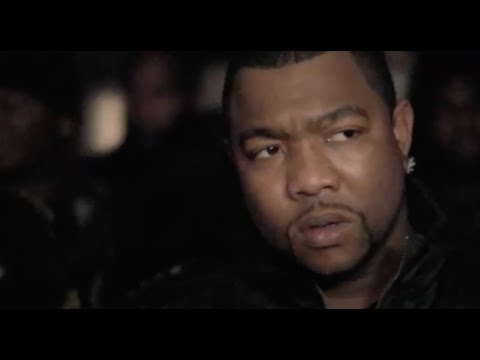
→ More from the 2000s File
View all 2000s hits →
Keep digging