The 1980s File Feature
Red Light
Red Light — Linda Clifford Lights Up the 1980s Hot 100 The summer of 1980 was a peculiar season in American pop music. Disco had just taken a very public bod…
01 The Story
"Red Light" — Linda Clifford Lights Up the 1980s Hot 100
The summer of 1980 was a peculiar season in American pop music. Disco had just taken a very public body blow at Chicago's Comiskey Park the year before, and the industry was still sorting out what that moment actually meant. Across radio stations, the answer was playing out in real time: funk grooves were quietly surviving under new labels, dance music was retreating into clubs while recalibrating for a new decade, and artists who had built careers on the dancefloor had to decide whether to pivot or persist. Linda Clifford, already a seasoned presence in the soul and disco world, chose persistence, and "Red Light" was the record she brought to that fight.
An Artist Who Knew Her Footing
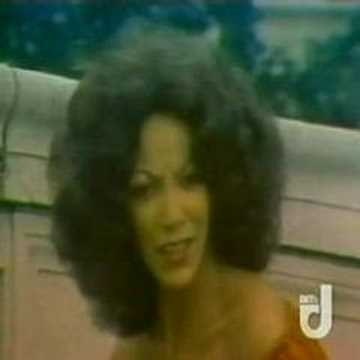
Linda Clifford came into 1980 with real credibility. She had scored significantly with "If My Friends Could See Me Now" back in 1978, a record that climbed into the top 40 and established her as a genuine commercial force at the height of disco's popularity. By 1980, that peak was in the rearview, but Clifford was not the sort of artist who faded quietly. Her voice, a supple, assured instrument capable of moving from tender soul balladry into high-energy dance floor declarations, remained one of the more compelling in the genre. "Red Light" gave it a worthy showcase.
The Sound of the Crossover Moment
The track draws on the rhythmic sophistication of late-seventies dance music while orienting itself toward the slightly harder, more assertive sound that would define early-eighties funk and R&B. There is a directness in the production that fits the anxious, transitional energy of 1980 perfectly. The groove is tight, the arrangement purposeful, and Clifford's vocal performance threads between urgency and control with the ease of someone who has spent years doing exactly this kind of work. The song does not reinvent anything; it executes a proven formula with genuine skill.
Eleven Weeks on the Billboard Hot 100
"Red Light" debuted on the Billboard Hot 100 on August 9, 1980, entering at number 89 and immediately beginning a climb that demonstrated real commercial momentum. Week by week, it moved through the 70s and 60s, ascending steadily as radio play accumulated. The single reached its peak of number 41 on September 27, 1980, a top-40 placement that put it squarely in the conversation with the season's biggest records. The run lasted eleven weeks on the chart in total, a substantial presence for an artist navigating a genre in transition.
What a Top 40 Finish Meant in 1980
Reaching number 41 in the summer and fall of 1980 put "Red Light" in competitive company. The charts that season were contending with a remarkable range of sounds, from the AOR rock that was consolidating its grip on FM radio to the new wave acts beginning their push into mainstream playlists. For a dance-oriented R&B track to crack the top half of the top 40 in that environment was a meaningful achievement. It suggested that Linda Clifford's audience had followed her from the disco peak into whatever the new decade would bring.
The Legacy of a Transition Record
Looking back, "Red Light" reads as one of those records that bridges eras without quite belonging fully to either. It carries the DNA of the late-seventies dance scene while anticipating the cleaner, more radio-friendly R&B that would dominate as the decade progressed. Linda Clifford continued recording after 1980, but "Red Light" stands as a marker of her resilience: the ability to keep making worthwhile music in a climate that had shifted beneath her feet almost overnight. Its 180,000 YouTube views speak to a loyal audience that has never quite let it go.
If the summer of 1980 interests you as a musical moment, this is one of its better-kept secrets. Press play.
"Red Light" — Linda Clifford's singular moment on the 1980s charts.
02 Song Meaning
The Meaning Behind "Red Light" by Linda Clifford
Stop-and-go imagery in pop songs carries a particular kind of electricity. The traffic light is one of those everyday objects so loaded with metaphorical potential that a skilled songwriter can barely touch it without sparking something. "Red Light" by Linda Clifford works in that tradition, using the charged language of signal and restraint to address something far more personal: the tension between desire and hesitation in a relationship where one person is ready to move and the other keeps calling a halt.
The Signal as Metaphor
At its core, the song dramatizes the frustration of someone who reads all the signs of interest and connection from a partner, only to be stopped cold at the moment of genuine commitment. The red light of the title functions as a refrain and a reproach: you keep saying go with everything you do, and then you say stop just when it matters. This push-pull dynamic gives the song its emotional tension. The narrator is not simply lamenting rejection; she is cataloguing a pattern of mixed signals, and the accumulation of evidence is what gives her case its weight.
Dance Music as Emotional Argument
What makes this kind of lyrical content so effective in a dance context is the contrast between the groove's forward momentum and the lyrical message of being held in place. You feel the song moving, pushing, insisting, even as the words describe being stopped. Linda Clifford's vocal delivery uses that tension deliberately. She presses into the phrases that express frustration, lets her voice open up on the parts that describe what could be, and uses the rhythm as a kind of agitation. The dancefloor becomes a space for processing emotional gridlock.
The Broader Context of Desire and Agency
In 1980, popular music was in the middle of a long negotiation about how women expressed desire, frustration, and agency in song. The disco era had given female artists an unprecedented platform for direct, unapologetic emotional declaration, and Linda Clifford had been one of the beneficiaries of that shift. "Red Light" sits in that tradition: its narrator is not passive or resigned. She is articulate, persistent, and making a clear demand for consistency from a partner who has not been delivering it.
Resonance Across the Listening Experience
What keeps the song's emotional argument accessible is its universality. The specific frustration of receiving mixed signals from someone whose intentions you cannot quite read is one that cuts across demographics, eras, and circumstances. Clifford delivers the lyric with enough specificity in her phrasing to make it feel personal, but enough generality in its emotional arc that any listener who has navigated that particular kind of uncertainty can find themselves in it. That combination is the hallmark of effective pop songwriting at any point in history.
A Record That Speaks Plainly
"Red Light" is not a song that buries its meaning in abstraction or metaphor too obscure to unpack. It makes its emotional case directly, through a metaphor simple enough to grasp immediately and resonant enough to sustain three-plus minutes of attention. That directness, married to a groove built for the dancefloor, is exactly what makes Linda Clifford's reading of it so compelling. The message and the music work together rather than against each other, which is harder to pull off than it sounds.
→ More from Linda Clifford
View all Linda Clifford hits →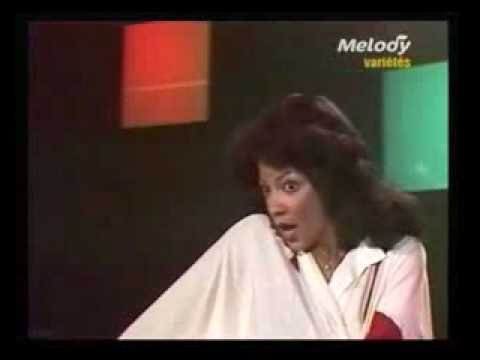
→ More from the 1980s File
View all 1980s hits →
Keep digging