The 1970s File Feature
Runaway Love
Linda Clifford Sets the Floor Ablaze with Runaway Love Picture the summer of 1978, the dance floor packed and pulsing, disco at the very height of its glitte…
01 The Story
Linda Clifford Sets the Floor Ablaze with "Runaway Love"
Picture the summer of 1978, the dance floor packed and pulsing, disco at the very height of its glittering, mirror-balled reign. Among the powerful voices riding that enormous wave was Linda Clifford, a singer whose soulful delivery and commanding stage presence made her a genuine fixture of the late-1970s club scene. With this single she channeled all of that raw energy into a story of romantic frustration set to an irresistible beat, a song deliberately built to move both bodies and hearts at the same time.
A Soulful Voice in the Disco Age
Clifford brought genuine soul credentials to a genre that was sometimes unfairly dismissed as mere escapism or empty spectacle. Before disco swept across the charts she had carefully honed her craft as a vocalist with real grit and impressive range, and that solid foundation gave her dance records an emotional depth that many of her peers simply lacked. By the late 1970s she had become a thoroughly respected name on the club circuit, an artist who could genuinely sell a lyric even at full-throttle tempo and full volume. This single showcased exactly that rare and valuable combination of power and feeling.
Heartbreak You Can Dance To
The genius of so much truly great disco lay in deliberately pairing emotional, even painful lyrics with euphoric, body-moving grooves, and this song follows that winning template beautifully. The arrangement surges forward with the genre's signature drive, all sweeping strings and propulsive, insistent rhythm, while Clifford's vocal carries the unmistakable ache of a love that simply will not stay put. The productive tension between the danceable surface and the frustrated longing underneath gives the record its lasting charge and replay value. It openly invites you to move your feet and feel something real at the very same time.
Its Run on the Hot 100
The single debuted on the Billboard Hot 100 on July 1, 1978, entering at number 89. It climbed modestly through the heart of the summer, peaking at number 76 on July 22, 1978, and spent a healthy eleven weeks on the chart in total. While its pop placement stayed in the lower reaches throughout, that surprisingly lengthy run reflected steady, ongoing support from listeners and a strong, persistent presence in the clubs, where Clifford's true and most devoted audience actually lived and danced night after night.
A Voice Worth Rediscovering
Linda Clifford remains a genuinely beloved figure among disco and soul devotees, an artist whose deeper work richly rewards anyone willing to look past the genre's flashiest and most famous hits. This single captures her at full strength and confidence, blending soul-rooted emotion with pure dance-floor euphoria in a way that still sounds remarkably fresh today. There is real artistry in making heartbreak this danceable without ever cheapening the feeling underneath, and Clifford pulls it off with a confidence that many bigger names of the era never quite managed. Her voice carries the emotional weight while the rhythm keeps the body moving.
Still Lighting Up Playlists
The track continues to find new listeners online, its video drawing roughly 16 million YouTube views from fans chasing the unmistakable spirit of 1978. Those numbers are a quiet reminder that a powerful voice paired with an unstoppable groove never really fades from memory. The summer of 1978 was a high-water mark for the genre, with clubs packed every night and dance records flooding the charts, and a singer like Clifford, who could bring real soul depth to the format, stood out from the wave of purely mechanical productions around her. That depth is exactly what keeps the record interesting decades on. Cue it up and let that groove carry you completely, because this is heartbreak delivered with a beat you simply cannot resist or sit still through.
"Runaway Love" — Linda Clifford's singular moment on the 1970s charts.
02 Song Meaning
The Restless Heart of "Runaway Love"
This song cleverly wraps a tale of romantic frustration inside an irresistible dance groove, capturing the maddening, exhausting experience of loving someone who simply refuses to stay. The central image is love that runs away, a relationship that keeps slipping just out of reach no matter how hard the narrator tries to hold on to it. That potent blend of deep yearning and rising exasperation gives the record its restless emotional pulse and its surprising depth.
Love That Won't Settle Down
At its heart, the lyric is about instability and impermanence, the genuine pain of caring deeply for someone who cannot or simply will not commit to anything lasting. The narrator finds herself endlessly chasing a love that keeps escaping her grasp, always just barely out of reach when she thinks she has it. It is a deeply relatable and almost universal predicament, the particular frustration of pouring your whole heart into something that never quite holds still long enough to count on. The song gives clear and sympathetic voice to anyone who has loved a person determined to slip away.
Strength Beneath the Frustration
What ultimately keeps the song from sounding merely sad or defeated is Clifford's genuinely powerful delivery throughout. She does not sound beaten down or helpless; she sounds determined, even openly defiant, as though simply naming the problem out loud is the necessary first step toward eventually rising above it. That underlying strength transforms the lyric from a passive lament into something much closer to quiet empowerment. The narrator may be hurt and frustrated, but she is clearly far from broken, and her commanding voice carries the resilience needed to survive the heartache intact.
Dancing Through the Pain
The late 1970s disco era understood something genuinely profound about catharsis: that the crowded dance floor could be a place to actively work through pain just as much as a place to celebrate joy. This song fully embodies that powerful idea. By deliberately setting real heartbreak to an euphoric, driving beat, it allows the listener to feel the hurt and dance past it almost in the very same breath. The music itself becomes a form of release and processing, turning frustration into pure motion and private sorrow into shared rhythm.
Why It Resonates
The song endures because its emotional dilemma is completely timeless and instantly recognizable. Almost everyone, at some point, has loved someone who would not stay, who kept one foot permanently out the door no matter what. By giving that universal frustration both a powerful voice and an unstoppable groove, the record offers the listener both recognition and genuine relief at once. It quietly tells you that you can ache for a runaway love and still claim the dance floor, still move through the world with real strength and grace. That hard-won combination of honesty and resilience is exactly why it continues to connect so deeply across the decades.
→ More from Linda Clifford
View all Linda Clifford hits →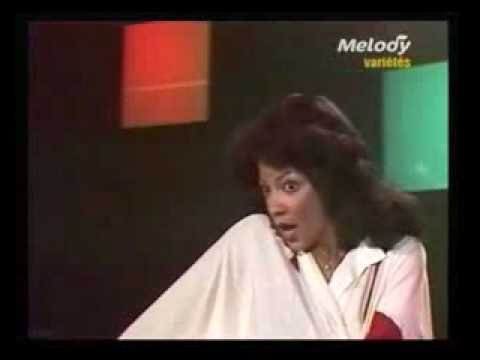

→ More from the 1970s File
View all 1970s hits →




Keep digging