The 1970s File Feature
If My Friends Could See Me Now
"If My Friends Could See Me Now" — Linda Clifford's Disco Triumph in 1978 Chicago Soul Meets the Disco Floor The summer of 1978 was disco's high-water mark, …
01 The Story
"If My Friends Could See Me Now" — Linda Clifford's Disco Triumph in 1978
Chicago Soul Meets the Disco Floor
The summer of 1978 was disco's high-water mark, a moment when the music had conquered not just the clubs but the radio, the charts, and the cultural conversation. Dance floors across America pulsed under mirror balls, and the demand for tracks that could sustain that energy was insatiable. Into that environment stepped Linda Clifford, a Chicago-based soul singer who had been working the club and lounge circuit for years without breaking through to mainstream chart prominence. "If My Friends Could See Me Now" was her moment, and she seized it with both hands.
Clifford had spent considerable time honing her craft in Chicago, a city with a deep soul tradition that stretched from Curtis Mayfield and the Impressions through the sophisticated pop productions that emerged from the city throughout the 1970s. Her voice had a warm, full quality suited to the emotionally direct material that soul demanded, and the transition to disco production felt less like a genre shift than a change of venue for the same essential performance energy.
The Recording and Its Sound
The song that Clifford recorded was drawn from the Broadway musical Sweet Charity, which had originally been staged in 1966 with music by Cy Coleman and lyrics by Dorothy Fields. The show's story of a taxi dancer with an irrepressibly optimistic spirit gave "If My Friends Could See Me Now" its particular brand of exuberant self-revelation. Clifford's recording transformed the theatrical number into a dance floor vehicle, extending its run time and building in the rhythmic repetition that club audiences required.
The production leaned into the full orchestral disco style that characterized the era's most commercially successful recordings, with strings, horns, and a metronomic rhythm section all working in coordination to create an almost irresistible forward motion. Clifford's vocal delivery sat above the production with impressive authority, never overwhelmed by the density of the arrangement, always communicating the song's central emotion of triumphant vindication to the listener.
The Billboard Chart Performance
On August 26, 1978, "If My Friends Could See Me Now" entered the Billboard Hot 100 at position 94. The climb was consistent over the following weeks, rising through the eighties and seventies as radio airplay expanded and dance floor play drove purchase activity. The single reached its peak of number 54 on September 23, 1978, spending eight weeks total on the chart. That peak position placed it solidly in the upper half of the Hot 100 for the week, a respectable showing for a relatively new name on the national scene.
The chart trajectory, a steady rise without a dramatic spike, reflects how disco tracks often performed in 1978, building through club play and regional airplay before reaching their national peak. The genre's relationship with radio was evolving throughout this period as program directors began to realize how large the disco audience actually was. Clifford's track benefited from that growing recognition.
Linda Clifford's Career Arc
This single represented Clifford's first significant incursion into the mainstream Hot 100, and it signaled the beginning of a period of greater commercial visibility for her. She was signed to Curtom Records, the label founded by Curtis Mayfield, which connected her to one of the most important creative and commercial networks in Black American music. That association gave her recordings a stamp of quality and authenticity that carried weight in both the soul and disco markets.
Clifford would go on to score additional chart entries in the following years, confirming that "If My Friends Could See Me Now" was not an isolated breakthrough but rather an indicator of sustainable commercial appeal. The timing of this particular single placed her at exactly the right moment in the disco cycle, late enough that the production style was fully refined, early enough that the market had not yet shifted.
A Sound That Travels
The best disco tracks have a quality that transcends their specific historical moment, a combination of rhythmic drive and emotional directness that still functions on a dance floor or through headphones decades later. Clifford's recording has that quality. The opening horn figures, the building strings, her voice arriving with conviction, it all still works. Queue it up and let 1978 have its moment.
"If My Friends Could See Me Now" — Linda Clifford's singular moment on the 1970s charts.
02 Song Meaning
"If My Friends Could See Me Now" — Triumph, Vindication, and the Joy of Being Witnessed
The Satisfaction of Arrival
Few emotional experiences are as universally relatable as wanting the people who doubted you to see you succeed. The lyrics of "If My Friends Could See Me Now," drawn from the Dorothy Fields and Cy Coleman Broadway score, tap directly into that satisfaction, the specific pleasure of rising high enough that those from your past would struggle to recognize the person you have become. The song celebrates upward mobility and self-transformation with a kind of infectious glee that the disco era was uniquely equipped to amplify.
When Linda Clifford delivered this material in 1978, the social context gave it additional resonance. The late 1970s were a period when the disco scene was in many ways a space of liberation and self-invention, particularly for communities that faced significant social constraints outside the club walls. The idea of transcending one's origins, of becoming someone whose success would astonish former associates, held particular meaning in that context.
The Theatrical Roots and Their Transformation
The original Broadway version of the song, performed in Sweet Charity beginning in 1966, was built around the character of Charity Hope Valentine, a woman whose romantic imagination outpaces her circumstances. The song in its theatrical context is an expression of fantasy, a moment of imagined triumph against a backdrop of real difficulty. Clifford's disco adaptation shifted the weight of that fantasy toward something more celebratory and less wistful, allowing the music's rhythm and energy to carry the listener further into the triumph than the stage version ever ventured.
That transformation from theatrical number to dance floor anthem is itself meaningful. The disco era was particularly adept at taking material from other contexts, Broadway shows, soul recordings, rock songs, and recontextualizing them as vehicles for collective bodily joy. The process enlarged the emotional scope of the original material by embedding it in a social ritual, the communal experience of the dance floor, that the Broadway stage could only approximate.
Disco as Social Language
The culture of 1978 disco was more complex than its critics acknowledged. Beyond the surface glamour, the music and the spaces it occupied provided a form of social permission for pleasure, self-expression, and community that was not available in every corner of American life. A song about wanting to be seen triumphant, about the vindication of having made something of yourself, resonated in that environment because it named something that many of the music's core listeners felt privately.
Clifford's vocal performance understood this dimension of the material. Her delivery is joyful but not lightweight. There is conviction in the way she inhabits the lyric, a sense that the triumph being described matters, that the imagined audience of former friends or doubters represents something real and emotionally significant.
Why It Endures
The emotional core of this song, the desire for recognition and the pleasure of imagined vindication, has not diminished with the passage of time. The disco production style is clearly of its era, but the human need the lyric addresses is timeless. Clifford's interpretation captured both the period's specific energy and the song's more durable emotional content, which is why the recording continues to find listeners long after the mirror balls stopped spinning. The eight weeks it spent on the Hot 100 in 1978 were just the beginning of its commercial life.
"If My Friends Could See Me Now" — Linda Clifford's singular moment on the 1970s charts.
→ More from Linda Clifford
View all Linda Clifford hits →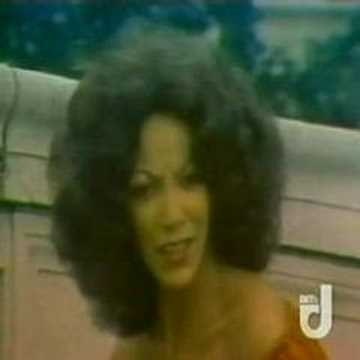
→ More from the 1970s File
View all 1970s hits →




Keep digging