The 1980s File Feature
Hey Baby
Hey Baby: Henry Lee Summer's Heartland Bar-Band Breakthrough There's a particular strain of American rock that never quite fit the coastal narratives of the …
01 The Story
Hey Baby: Henry Lee Summer's Heartland Bar-Band Breakthrough
There's a particular strain of American rock that never quite fit the coastal narratives of the late 1980s, guitar-driven, blue-collar, built in bars and clubs across the Midwest rather than in Los Angeles studios chasing the hair-metal trend of the moment. Henry Lee Summer, an Indianapolis-based bar-band veteran, embodied that tradition fully, and "Hey Baby" became the single that carried his sound out of the regional club circuit and onto national radio in the summer of 1989.
A Midwest Bar-Band Veteran's National Shot
Henry Lee Summer had spent years building a devoted following through relentless live performing across Indiana and the broader Midwest before ever signing to a major label, a trajectory that gave his eventual national breakthrough a distinctly earned, road-tested quality few overnight successes ever possess. By the time "Hey Baby" reached radio, Summer was not a fresh face being manufactured for the moment; he was a seasoned performer whose bar-band chops translated directly into the song's confident, hook-driven energy from the first note.
Heartland Rock With a Party Edge
The track leans into an upbeat, guitar-forward heartland rock sound, closer in spirit to John Mellencamp's Indiana-rooted catalog than to the more polished pop-rock dominating much of late-1980s radio at the time. Its title and central refrain capture the simple, direct energy of a bar-band crowd-pleaser, built for singalongs and live performance rather than studio experimentation, a song engineered to work exactly as well in a smoky club as it did on FM radio playlists.
A Long, Steady Summer Climb
Billboard's numbers show real staying power across an entire season. "Hey Baby" debuted on the Hot 100 on May 20, 1989 at number 83, and it climbed steadily for months, eventually reaching a peak position of number 18 during its peak week of August 5, 1989. The single remained on the chart for a substantial 18 weeks, one of the longer chart runs among the songs of its era, reflecting sustained radio adoption across an entire summer rather than a quick spike and fade from the airwaves.
A Heartland Rock High-Water Mark
This single stands as the commercial peak of Henry Lee Summer's national career, the moment his years of Midwest bar-band grinding translated into genuine mainstream success on the national stage. While he never fully replicated this level of chart performance again in the years that followed, the song's lengthy, steady climb speaks to real and lasting listener enthusiasm rather than a manufactured push, a genuine grassroots hit in an era increasingly dominated by major-label marketing machinery and calculated image-building.
A Testament to Earning an Audience Slowly
What the song's chart trajectory ultimately demonstrates is the value of an audience built the hard way, gig by gig, rather than manufactured overnight by a label's promotional department. That grassroots foundation gave the record a durability on the charts that many more heavily marketed singles of the same year never managed to match.
A Regional Sound Goes National
The song's success also mattered for what it proved about American radio in the late 1980s: that a sound rooted entirely in a specific regional club circuit, without any coastal polish or trend-chasing production, could still climb into the national top twenty on the strength of a genuinely infectious hook. Henry Lee Summer's victory here was, in a real sense, a victory for the entire Midwest bar-band circuit that had shaped him, proof that authenticity built the slow way could still compete with anything coming out of a major coastal studio, a genuinely reassuring story for every regional act still grinding it out in smoky clubs across the country, night after night, waiting for a single break.
Crank it up and hear exactly what packed Midwest bars sounded like in 1989.
"Hey Baby" — Henry Lee Summer's singular moment on the 1980s charts.
02 Song Meaning
The Meaning Behind "Hey Baby"
At bottom, this is a song about the simple thrill of catching someone's eye across a crowded room, a sensation nearly every listener recognizes instantly regardless of era or background. "Hey Baby" deals in the most direct and time-tested subject in rock and roll: unfiltered attraction, expressed with a casual, confident swagger rather than any complicated emotional layering or subtext. The title's simple call, an easy, familiar greeting, sets the tone for a song built around immediate charm rather than extended introspection or lyrical complexity.
The Uncomplicated Pleasure of a Simple Hook
Part of the song's appeal lies precisely in its refusal to overcomplicate its central message. Rather than exploring heartbreak, betrayal, or deep vulnerability, the lyric stays in the confident, flirtatious register of a bar-band crowd-pleaser, a song built to be shouted along to rather than pored over for hidden meaning late at night. That directness reflects the heartland rock tradition Henry Lee Summer worked within, a genre more interested in immediate emotional and physical energy than in lyrical complexity for its own sake.
A Song Built From Live Performance
Given Summer's years performing in bars and clubs before ever reaching national radio, the song's structure carries the clear imprint of material road-tested in front of live audiences, built around a hook durable enough to survive repeated performance and instantly engage a crowded room. That live-tested quality gives the song an authenticity that studio-only material sometimes lacks, the sense of a hook proven effective long before it ever reached a professional recording studio.
Heartland Rock's Working-Class Confidence
The song's swaggering, uncomplicated confidence fits within the broader heartland rock tradition associated with Midwest artists of the era, music that projected working-class self-assurance rather than the more anxious or ironic postures found elsewhere in late-1980s rock and pop. That confidence was not empty posturing; it reflected the genuine experience of a performer who had earned his audience one bar gig at a time over many long years.
Why It Resonated Through the Summer of 1989
Listeners responded to the song's straightforward, feel-good energy at a moment when radio had room for both polished pop-rock and rawer, more regional sounds coexisting side by side. Its eighteen-week chart run, one of the longer stays among its peers that year, suggests a song that built genuine momentum through relentless radio play and word of mouth, the natural extension of Summer's years spent winning over audiences one live show at a time, night after night, long before a record label ever took notice of what was happening in those Indiana clubs, refining a formula that would eventually prove itself on national radio and, briefly, on the very biggest stages that the format of American rock radio had to offer during that particular, unrepeatable summer of touring and airplay.
→ More from Henry Lee Summer
View all Henry Lee Summer hits →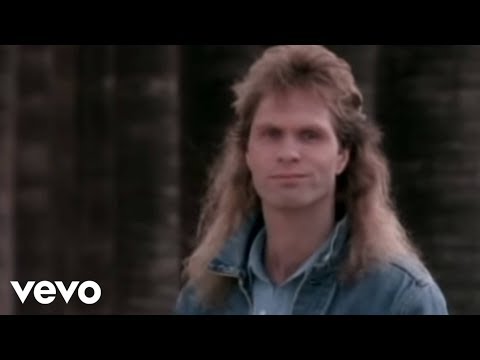



→ More from the 1980s File
View all 1980s hits →
Keep digging