The 1970s File Feature
Mama Told Me Not To Come
Mama Told Me Not To Come by Wilson Pickett Feel the heat of a Southern soul revue in the early 1970s, all blaring horns, greasy organ, and a voice that could…
01 The Story
"Mama Told Me Not To Come" by Wilson Pickett
Feel the heat of a Southern soul revue in the early 1970s, all blaring horns, greasy organ, and a voice that could strip paint off a wall. That voice belonged to Wilson Pickett, the Alabama-born force of nature known across the world as "Wicked Pickett," one of the fiercest performers the soul era ever produced. When he took on Mama Told Me Not To Come in 1972, he was applying his ferocious energy to a song that had already lived several colorful lives.
The Wicked Pickett In Full Flight
By 1972, Wilson Pickett was a bona fide soul legend, the man behind incendiary classics like In The Midnight Hour, Land Of 1000 Dances, and Mustang Sally. He was one of the towering figures of 1960s soul music, a singer whose raw, shouting delivery embodied the genre's gospel-rooted intensity. As the calendar turned into the 1970s, the soul landscape was evolving toward smoother Philadelphia sounds and funk experimentation, and veteran hitmakers like Pickett had to keep finding fresh material to showcase their still-formidable powers. His take on this well-traveled tune was one such effort.
A Song With A Storied Past
The composition itself came from the pen of Randy Newman, whose wry, offbeat writing had already given the song a memorable life. Three Dog Night had taken "Mama Told Me Not To Come" to number one on the Billboard Hot 100 in 1970, turning Newman's tale of a bewildered guest at a wild party into a massive pop smash. For Pickett to cover it just two years later meant grappling with a very recent, very famous version, and he brought his own gritty soul sensibility to material that others had rendered as loose, comic rock.
Soul Grit Meets A Party Anthem
Pickett's reading leaned into his strengths: the burning vocal, the tight rhythm section, the horn punches that defined the Muscle Shoals and Southern soul tradition he helped popularize. The song's narrative of a naive partygoer overwhelmed by an out-of-control scene gave him plenty of room to emote, injecting drama and swagger into every line. It was a bold move to revisit such a recent chart-topper, and the recording shows an artist unafraid to put his stamp on familiar territory.
A Brief Turn On The Chart
Commercially, this particular version made only a modest dent. It debuted on the Billboard Hot 100 dated November 11, 1972, at number 100, the very bottom rung of the chart. The following week it edged up a single spot, reaching its peak of number 99 on the chart dated November 18, 1972. That marked the end of its climb, and the record spent just 2 weeks on the Hot 100 before departing. The brevity of that run says less about the performance itself than about the tall shadow cast by the recent number-one version and a crowded, fast-changing chart.
A Veteran Still Working
Even a minor chart entry underscores an important truth about artists of Pickett's stature: they kept working, kept recording, kept testing themselves against new songs and shifting tastes. The early 1970s were a transitional period for many 1960s soul giants, and every release was part of the ongoing effort to stay vital. Pickett's catalog runs deep, and tracks like this one reveal a restless performer unwilling to simply rest on past glories.
The Roar That Never Faded
Wilson Pickett would be inducted into the Rock and Roll Hall of Fame and remembered as one of soul's definitive voices long after this single slipped from view. His recordings still crackle with an intensity few singers have ever matched. Press play on his version of this Randy Newman classic and hear a soul titan wrestling a pop staple to the ground, all fire and grit and unmistakable presence.
"Mama Told Me Not To Come" — Wilson Pickett's singular moment on the 1970s charts.
02 Song Meaning
The Meaning Behind "Mama Told Me Not To Come"
Beneath its rowdy energy, this Randy Newman composition tells a small, funny, and slightly uneasy story. It follows a young man who has walked into a party far wilder than anything he was raised to expect, and who keeps hearing his mother's cautionary voice in his head. The title says it all: he was warned, and now he understands why.
An Innocent Out Of His Depth
The lyric places its narrator in a scene of overwhelming excess, surrounded by smoke, loud music, and behavior that scandalizes his sheltered sensibilities. The song is essentially a comic portrait of naivety colliding with adult indulgence, the moment a sheltered kid realizes the grown-up world is stranger and rougher than he imagined. His discomfort is the whole joke, and the whole point.
Newman's Wry Perspective
Randy Newman built his reputation on characters who reveal themselves through slightly off-kilter narration, and this song is a prime example. The humor comes from the gap between the narrator's prim expectations and the chaos around him. Rather than celebrating the party, the lyric observes it with a raised eyebrow, letting the listener laugh at a young man completely out of his element.
What Pickett Brought To It
In Wilson Pickett's hands, the material gained a different charge. His fierce soul delivery turned the tale of overwhelm into something more visceral and dramatic, trading Newman's dry wit for raw emotional heat. The meaning stays the same, but the feeling shifts, giving the innocent narrator's panic a gospel-fueled urgency.
A Generation-Gap Snapshot
Underneath the comedy sits a familiar theme: the collision between how we were raised and the temptations of the wider world. The song captures that universal moment of leaving the nest and finding reality messier than mama promised. That relatable tension helped the composition endure across multiple versions and eras.
Innocence Meeting Experience
Underneath the laughs, the song stages a small drama that has repeated across every generation. A young person leaves the safety of home carrying a set of values and expectations, then walks headlong into a world that operates by entirely different rules. The narrator's shock is not really about any one party; it is about the dawning realization that the adult world is wilder, looser, and less tidy than he was led to believe. That collision between innocence and experience is a theme as old as storytelling itself, and the song's comic frame makes it approachable rather than heavy.
Comedy With A Knowing Wink
What lingers is the affectionate humor of it all. The song does not scold the party or the partygoer; it simply grins at the mismatch between them. That gentle, knowing wink is why the tune kept finding new life in the hands of very different artists.
→ More from Wilson Pickett
View all Wilson Pickett hits →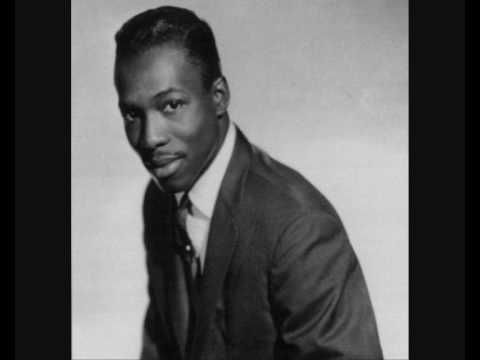

→ More from the 1970s File
View all 1970s hits →




Keep digging