The 1970s File Feature
Engine Number 9
Engine Number 9 by Wilson Pickett Picture the autumn of 1970, when soul music was deepening into something funkier and more urgent, and one of its most explo…
01 The Story
"Engine Number 9" by Wilson Pickett
Picture the autumn of 1970, when soul music was deepening into something funkier and more urgent, and one of its most explosive voices was riding a powerful creative streak. Wilson Pickett, the man they called the Wicked Pickett, had spent the sixties tearing through one fiery soul record after another. With "Engine Number 9" he locked into the harder, grittier funk groove that was reshaping Black popular music as the new decade began, delivering one of the most propulsive performances of his late career.
A Soul Powerhouse in Full Stride
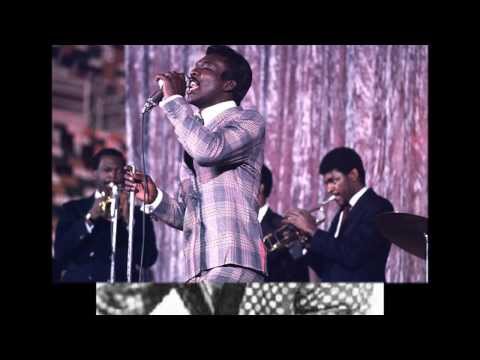
By 1970 Wilson Pickett was already a legend, the voice behind a string of soul classics that had defined the previous decade. He had built his reputation on raw, commanding vocals and an unstoppable sense of rhythm. "Engine Number 9" found him pushing into deeper funk territory, riding a relentless groove with all the ferocity that made him one of the greatest soul shouters of his generation. The performance is muscular and electric, the sound of an artist refusing to coast on past glories.
A Locomotive Groove
The recording is built around an irresistible, churning rhythm that lives up to its railroad-themed title. The groove rolls forward with the momentum of a train, all driving bass, tight horns, and Pickett's gritty vocal riding on top like a man hollering over the engine noise. It captures the moment when classic soul was bleeding into the harder funk of the early seventies, and few singers could ride that kind of groove with Pickett's combination of power and precision. The energy is raw and physical from start to finish.
A Strong Run on the Hot 100
The single performed well during its autumn chart run, one of Pickett's solid late-career showings. It debuted on the Billboard Hot 100 on September 26, 1970, at number 83, then surged upward, hitting 69, then 59, then 45, then 29 in quick succession across the first weeks. It continued climbing until it peaked at number 14 during the week of November 28, 1970. Across its life the record spent thirteen weeks on the Hot 100, a strong run that kept one of soul's great voices firmly in the public ear as the decade turned.
A Lasting Piece of the Pickett Catalog
"Engine Number 9" stands as a vivid example of Wilson Pickett's ability to evolve with the times while never losing his signature fire. The song bridges the gap between his sixties soul triumphs and the funk-driven seventies, and its driving groove has kept it a favorite among soul and funk enthusiasts. It is a reminder that Pickett was not just a relic of an earlier era but a vital, forward-moving force whose voice could command any groove you put in front of him. Plenty of sixties stars faltered when the music changed; Pickett rode the change like he had been waiting for it.
A Voice That Refused to Fade
The deeper story here is about survival and reinvention in a fast-moving genre. Soul music in 1970 was transforming rapidly, and the singers who thrived were the ones who could adapt their sound without losing their identity. Pickett managed exactly that. His voice, that gritty, gospel-fired instrument, was as commanding over a hard funk groove as it had been over the classic Southern soul of his earlier years. There is a reason he was nicknamed the Wicked Pickett, and you can hear it in the sheer authority of this performance, the way he attacks the rhythm rather than merely riding it. "Engine Number 9" captures an artist at a creative crossroads choosing to push forward, and the strength of its chart showing confirmed that audiences were ready to follow him into the new decade. It is a record that proves staying power is not about repeating yourself; it is about bringing the same fire to whatever the moment demands.
Press play and let that locomotive groove and Wilson Pickett's roaring vocal pull you straight down the tracks.
"Engine Number 9" — Wilson Pickett's singular moment on the 1970s charts.
02 Song Meaning
The Meaning Behind "Engine Number 9"
This is a song that turns heartbreak into a runaway train. Using the imagery of a railroad and an engine rolling down the line, Wilson Pickett frames a story of love and pursuit through the metaphor of travel and motion. The driving, locomotive groove becomes part of the meaning itself, embodying the relentless forward push of desire and the journey toward someone you cannot let go of, no matter how far the tracks run.
Love on the Move
The central theme uses the train as a vehicle for emotion. The engine and the tracks stand in for the chase, the urgent need to reach a lover and close the distance between them. It is a classic device in blues and soul, where the railroad has long symbolized leaving, longing, and the restless pursuit of love. Pickett pours that tradition into a relentless modern groove, making the journey feel physical and immediate rather than abstract.
Urgency and Heat
Emotionally, the song runs on pure intensity. There is nothing tentative about Pickett's delivery; he attacks the lyric with hunger and heat, matching the unstoppable momentum of the music. The feeling is one of raw, driving desire, the kind that will not slow down or be denied. That urgency is the emotional engine of the record, and it pulls the listener along for the ride whether they are ready or not.
Soul Turning Toward Funk
The cultural context shapes the meaning. As the 1970s opened, soul music was growing harder and funkier, more rhythmically aggressive and physically charged. A song built on a churning, train-like groove captured that shift perfectly, channeling deep feeling through a body-moving beat. It reflected a moment when Black popular music was pushing toward the funk that would dominate the decade and reshape the dance floor.
Why It Hits
The song connects because it fuses emotion and motion so seamlessly. The metaphor is instantly understood, the groove is impossible to resist, and Pickett's voice sells every ounce of the desire it describes. Listeners felt the forward pull in their bodies as much as their hearts. That total union of theme, rhythm, and performance is exactly why the record drove its way into the top fifteen and stayed in memory long after the needle lifted. The railroad has always been one of the richest images in American popular song, standing for escape, for separation, for the ache of distance between two people. Pickett took that deep well of meaning and charged it with the physical energy of the new funk, so the old metaphor felt freshly urgent. The result is a song that works on two levels at once, satisfying both the heart that recognizes the longing and the body that cannot help moving to the beat. That dual appeal is the mark of great soul music, and it is why the record endures.
→ More from Wilson Pickett
View all Wilson Pickett hits →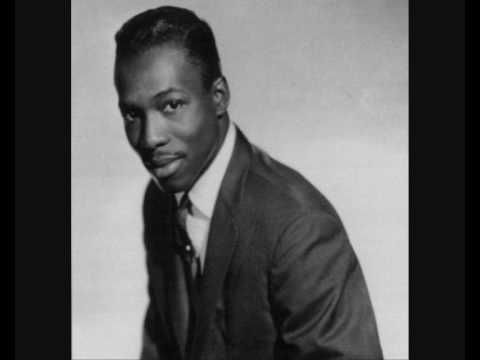

→ More from the 1970s File
View all 1970s hits →




Keep digging