The 1970s File Feature
Summertime Blues
The Explosive Live Cover Summertime Blues by The Who Picture the summer of 1970, when rock had grown louder, heavier, and more powerful than ever, and few ba…
01 The Story
The Explosive Live Cover "Summertime Blues" by The Who
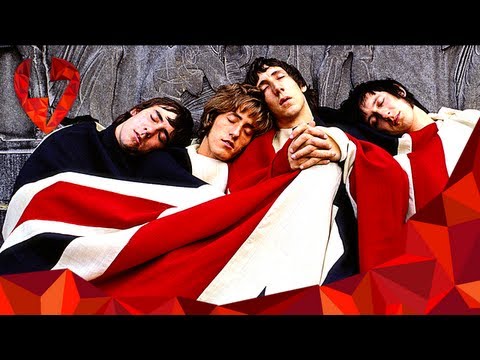
Picture the summer of 1970, when rock had grown louder, heavier, and more powerful than ever, and few bands embodied that raw energy like The Who. On stage they were a force of nature, demolishing their instruments and assaulting audiences with a wall of sound that few could match. They took a classic rock and roll lament about teenage frustration and transformed it into a thunderous live showpiece. This explosive cover captured the band at the height of their ferocious live power, a definitive statement of their stage might.
One of Rock's Most Powerful Live Acts
By 1970 The Who had established themselves as one of the greatest and most explosive live bands in the world. The group was famous for their thunderous performances and the rock opera Tommy, which had cemented their reputation as ambitious, powerful artists. Their live shows were legendary for their intensity and volume, driven by the wild drumming of Keith Moon, the thunderous bass of John Entwistle, the slashing guitar of Pete Townshend, and the commanding vocals of Roger Daltrey. This recording, a live rendition of a rock and roll classic, showcased exactly the raw power that made their concerts so overwhelming. It was The Who doing what they did best, turning a song into a sonic explosion.
A Thunderous Reinvention
The recording transforms a relatively lighthearted original into a heavy, pummeling rock showpiece. The arrangement is muscular and aggressive, driven by crashing drums, rumbling bass, and slashing guitar. Daltrey delivers the vocal with snarling energy, while the band attacks the song with the ferocity that defined their live sound. There is a thrilling sense of controlled chaos here, the feeling of four virtuosos pushing a simple song to its absolute limits. The track captures the visceral excitement of The Who on stage, the overwhelming power and energy that made them one of rock's most electrifying acts.
A Solid Chart Showing
The chart story reflects steady momentum. The single debuted at number 80 on the Billboard Hot 100 dated July 11, 1970, then climbed through the summer. It rose to number 69, then number 47, then number 33, then number 28 in successive weeks. The record ultimately peaked at number 27 during the week of August 15, 1970, a respectable showing that brought the band's ferocious live energy onto the pop chart. The track spent nine weeks on the Billboard Hot 100, a solid run that introduced their explosive reinvention of the classic to a wide audience and reinforced their reputation as a powerhouse live act.
A Document of Live Power
This recording stands as a definitive showcase of The Who's overwhelming live energy, a track that captures the band at their most ferocious. It demonstrates their gift for taking a familiar song and remaking it as a thunderous rock statement, the kind of transformation that defined their concert performances. For fans of the band and of hard rock, it remains a thrilling document of their stage power. The track endures as a classic example of The Who in full flight, a reminder of why they were considered one of the most explosive live acts in the history of rock.
Capturing Lightning on Record
One of the great challenges any powerful live band faces is translating the overwhelming energy of the stage onto a recording, and The Who managed it here about as well as anyone ever has. Their concerts were sensory assaults, experiences of volume and physicality that no studio could fully reproduce. Yet this live capture of the song conveys a remarkable amount of that raw power, preserving the controlled chaos that made the band so thrilling to witness in person. You can hear the interplay of four extraordinary musicians pushing against one another, the drums and bass locked in a thunderous duel while the guitar slashes and the vocal snarls. The recording does not smooth out the rough edges or tame the ferocity; it leans into them, presenting the band in all their unbridled force. That authenticity is exactly why the track became such a beloved document of the group's live power. For listeners who never had the chance to see The Who at their peak, this recording offers the closest thing to standing in front of the stage as the band unleashed its full might. It stands as proof that, in the right hands, even a recording could capture some of the lightning of a truly explosive live act.
Crank the volume, brace yourself, and let The Who unleash their full fury. Press play and feel the power.
"Summertime Blues" — The Who's singular moment on the 1970s charts.
02 Song Meaning
Inside the Meaning of "Summertime Blues" by The Who
This is a song about teenage frustration and the powerlessness of youth, given explosive new force by The Who's thunderous performance. The original lament about a young person stymied at every turn becomes, in their hands, a roaring statement of rebellion and energy. The meaning lies as much in the ferocious delivery as in the words themselves.
The Frustration of Youth
The lyrics voice the universal complaint of a young person blocked and dismissed by the adult world. The central theme is teenage frustration and the feeling of powerlessness. The narrator wants freedom and fun but finds himself thwarted by work, authority, and a system that offers no help. This sense of being trapped and unheard is something nearly every young person has felt, and the song captures it with rueful humor. The Who amplify that frustration into something fierce, turning a complaint into a roar of defiance.
Rebellion Through Volume
The artistic message lies in the band's explosive reinvention of the song. The Who transform youthful frustration into a thunderous expression of rock and roll energy. Where the original was relatively lighthearted, their version channels the emotion into sheer sonic power, making the song feel like an act of rebellion. The crashing drums and slashing guitar become the real message, embodying the restless energy and defiance of youth. The meaning is felt in the intensity of the performance, in the way the band turns frustration into exhilaration.
The Rise of Heavy Rock
The song arrived as rock was growing heavier, louder, and more powerful at the dawn of the 1970s. It reflects an era when bands pushed the boundaries of volume and intensity. The Who were at the forefront of this movement, renowned for performances of overwhelming force. Their version of the song embodies that shift, taking a rock and roll classic and remaking it for a harder, more aggressive age. It captures the moment when rock fully embraced its raw, visceral power.
Why It Resonated
The song connected because it gave thrilling new life to a relatable theme. The frustration of youth is timeless, and The Who delivered it with an energy that made it feel urgent and exciting rather than merely complaining. Fans were drawn to the sheer power of the performance, the way the band transformed a familiar song into an overwhelming experience. That combination of a universally relatable theme and explosive musical force is why the song resonated and why it remains a celebrated showcase of The Who at their ferocious best. The feeling of being young, restless, and hemmed in by forces beyond your control is one that never goes away, and The Who gave that frustration a thunderous voice that listeners across the decades have recognized as their own.
→ More from The Who
View all The Who hits →



→ More from the 1970s File
View all 1970s hits →




Keep digging