The 1970s File Feature
Love, Reign O'er Me
The Story Behind Love, Reign O'er Me by The Who Picture late 1973: rock has grown more ambitious than ever, embracing grand concepts and operatic scope, and …
01 The Story
The Story Behind "Love, Reign O'er Me" by The Who
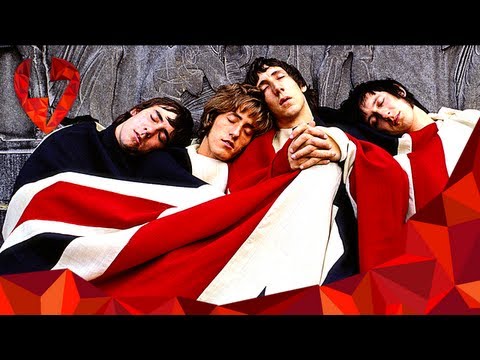
Picture late 1973: rock has grown more ambitious than ever, embracing grand concepts and operatic scope, and one of the genre's greatest bands has just delivered a sprawling, emotionally devastating masterwork. The Who, the legendary British group, crowned their landmark rock opera with this towering, cathartic anthem of spiritual and emotional yearning. Built around one of Roger Daltrey's most powerful vocal performances, it stands as one of the most overwhelming pieces of music in the entire rock canon.
The Climax Of A Rock Opera
By 1973, The Who were among the most important and innovative bands in rock, having already pushed the form's boundaries with earlier conceptual work. "Love, Reign O'er Me" served as the climactic finale of their ambitious double album Quadrophenia, a rock opera written primarily by Pete Townshend that told the story of a troubled young man searching for identity and meaning. The song functioned as the emotional and spiritual peak of that sprawling narrative, a final, desperate cry of yearning that brought the whole work to its overwhelming conclusion.
The Sound Of The Single
The track was a massive, dramatic anthem, building from quiet, atmospheric beginnings to a thunderous, cathartic climax. It featured one of Roger Daltrey's most extraordinary vocal performances, a raw, anguished cry that conveyed the depths of the protagonist's longing. The arrangement was epic in scope, layering pianos, synthesizers, crashing drums, and sound effects of rain into a sweeping emotional release. It was a song designed to overwhelm, channeling spiritual desperation and the desire for love into one of rock's most powerful and unforgettable performances.
A Modest Chart Appearance
Despite its enormous artistic stature, the single had only a modest run on the pop chart, its sprawling, intense nature making it a difficult fit for radio. It debuted on the Billboard Hot 100 dated December 1, 1973, at number 97, then climbed gradually over the following weeks. It reached its peak of number 76 on December 29, 1973, and spent just five weeks on the Hot 100. The chart numbers tell little of the song's true significance, which lay in its role as one of rock's most revered and emotionally overwhelming achievements.
The Ambition Of Quadrophenia
To understand this song fully, it helps to appreciate the scale of the work it crowned. Quadrophenia was an enormously ambitious double album, a rock opera that told a complete, emotionally complex story about a young man's struggle with identity, belonging, and mental turmoil set against a vivid backdrop of British youth culture. Pete Townshend conceived the work with extraordinary care, weaving recurring musical themes throughout and using the band's four members to represent different facets of the protagonist's fractured personality. That this sweeping narrative built toward a single climactic song speaks to the piece's importance within the larger whole. The song had to carry the emotional weight of the entire story, resolving its tensions and yearnings in one overwhelming finale. Few rock works have attempted such ambition, and fewer still have pulled it off, which makes the towering achievement of this closing anthem all the more remarkable as the capstone of one of rock's great conceptual masterpieces.
An Enduring Masterpiece
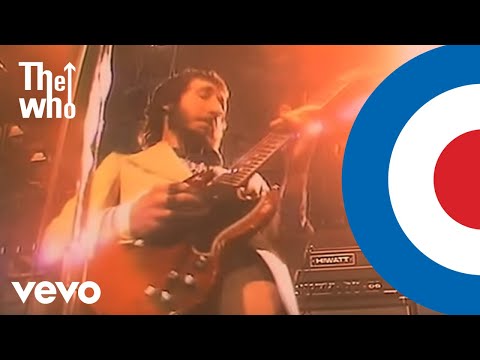
The song has long been regarded as one of The Who's greatest accomplishments and one of the most powerful pieces of music in rock history. It became a centerpiece of the band's legendary live shows and a touchstone for the emotional and conceptual ambitions of rock music. Its themes of longing and spiritual desperation, paired with its overwhelming sound, have given it lasting resonance far beyond its chart performance. For admirers of The Who and of rock at its most ambitious, it remains an immortal, devastating masterpiece.
Put it on, turn it up, and brace yourself for that final cathartic surge. Few songs in rock have ever reached this kind of emotional intensity.
"Love, Reign O'er Me" — The Who's singular moment on the 1970s charts.
02 Song Meaning
The Meaning Of "Love, Reign O'er Me" by The Who
This is a song about a desperate, almost spiritual longing for love, a cry from someone yearning to be cleansed and renewed by the kind of love that washes over you like rain. It expresses profound emotional and spiritual desperation, capturing a soul reaching out for salvation through connection.
Love As Salvation
The central idea is love as a redemptive force. The narrator pleads for love to reign over him like rain, to pour down and renew his weary, troubled spirit. That image of rain conveys both cleansing and overwhelming abundance, suggesting a desire to be washed clean of pain and despair. Love here is not merely romantic but almost sacred, a force capable of saving and transforming a lost soul. The yearning is for something profound and healing.
The Cry Of A Troubled Soul
Within the larger story of the rock opera, the song is the climax of a young man's struggle. It represents the desperate emotional and spiritual peak of a character searching for identity and meaning, a final, anguished cry of need. That context deepens the song's intensity, framing the longing for love as part of a broader crisis of self. The raw desperation in the plea reflects a soul pushed to its limits, reaching out for anything that might offer redemption.
The Cleansing Of Rain
The recurring image of rain carries rich symbolic weight. Rain suggests both sorrow and renewal, tears and the washing away of pain. That dual meaning enriches the song, linking the narrator's grief to the hope of being cleansed and made new. The downpour the song invokes becomes a symbol of overwhelming emotional release, the flood of love and feeling that the narrator so desperately craves. It is an image of both catharsis and surrender.
Love Beyond The Romantic
What elevates the song above an ordinary love ballad is the breadth of what it means by love. The love it cries out for is not merely romantic affection but something larger, a redemptive, almost divine force capable of healing a broken spirit. In the context of the protagonist's crisis, the plea is really for meaning, connection, and salvation, for anything that might fill the emptiness inside him. That expansive conception of love gives the song its spiritual dimension, transforming a personal yearning into something closer to a prayer. The downpour the narrator begs for is a flood of grace as much as romance, and that universality of longing, the desire to be made whole by some greater force, is what lends the song its overwhelming, almost sacred power.
Why It Resonated
The song connected because its longing is so deeply and universally felt. The desire to be saved and renewed by love, to be washed clean of pain, speaks to something fundamental in the human spirit. Paired with its overwhelming, cathartic sound and Roger Daltrey's anguished delivery, the song gave that yearning an almost unbearable power. It offered listeners a profound emotional release, the experience of hearing spiritual desperation transformed into one of rock's most overwhelming cries.
→ More from The Who
View all The Who hits →


→ More from the 1970s File
View all 1970s hits →




Keep digging