The 1970s File Feature
Until It's Time For You To Go
The Tender Reinvention of Until It's Time For You To Go by The New Birth Step into the late summer of 1973. Soul and funk are everywhere, the radio crackles …
01 The Story
The Tender Reinvention of "Until It's Time For You To Go" by The New Birth
Step into the late summer of 1973. Soul and funk are everywhere, the radio crackles with horns and harmony, and large, ambitious vocal groups are reshaping what a single record can hold. Among the busiest of them is The New Birth, a sprawling collective that blended soul, funk and gospel-rooted harmony into a sound both polished and powerful. They were a working machine, capable of swinging from hard funk to aching ballad, and on this song they reached for one of the most beautiful pieces of writing of the era.
A Group Built for Versatility
The New Birth grew out of a larger production family and was known for its size and range, folding together a vocal group and a full instrumental unit under one banner. That structure let them do almost anything: a greasy funk workout one moment, a lush ballad the next. The New Birth became a consistent presence on the soul and pop charts across the early 1970s, with their biggest crossover success arriving the same year on the strength of their own warm, soulful interpretations. They thrived on transformation, taking material and remaking it in their own image.
Reimagining a Songwriter's Classic
"Until It's Time For You To Go" was written by the celebrated folk artist Buffy Sainte-Marie, and it had already been recorded by an impressive list of singers across genres. Its melody is gorgeous and its sentiment bittersweet, which made it irresistible to interpreters. The New Birth poured soul-group harmony and gentle orchestration into it, treating the song with reverence. The arrangement leans on lush vocal blend and a tender, unhurried pace, letting the melody's natural ache do the emotional work.
A Brief Visit to the Hot 100
Commercially, this particular single had only a short stay. It debuted on the Billboard Hot 100 on August 25, 1973, entering at number 100, the very bottom rung of the ladder. It held at 100 the following week before nudging upward to its peak of number 97 on September 8, 1973. The song spent just three weeks on the Hot 100 before slipping away. Numbers like those tell a familiar story: a beautiful recording that simply could not find enough oxygen on a crowded chart, even from a group with real commercial pull.
A Quiet Gem in a Loud Catalog
The New Birth are best remembered for their funkier, more propulsive sides, which makes this gentle ballad an intriguing detour. It shows the group's softer, more vulnerable register, the side that could honor a great song rather than reinvent it from scratch. Their legacy rests on a deep and varied catalog, and recordings like this one prove how much range lived inside the ensemble. For devoted soul collectors, it is the kind of overlooked track worth rescuing from obscurity.
The Art of the Interpretation
Recording another writer's song is its own kind of artistry, and the great soul groups understood that a cover is not an imitation but a conversation. The New Birth approached this beloved composition with respect for its bones while infusing it with their own warmth and harmonic richness. Their version translates a folk classic into the language of seventies soul, finding new emotional colors in a familiar melody. That ability to honor a song while making it theirs is a skill that separates a working group from a great one, and it runs throughout the New Birth catalog. The result feels less like a cover than a rediscovery.
Let it play and surrender to the harmony. The New Birth find the heartbreak buried in a famous melody and lift it gently into the light, which is exactly what a great vocal group is supposed to do. It is a small, lovely act of musical generosity.
"Until It's Time For You To Go" — The New Birth's singular moment on the 1970s charts.
02 Song Meaning
What "Until It's Time For You To Go" Is Really About
This is a song about loving fully while knowing the love will end. It does not pretend the relationship is forever; instead it accepts the inevitable parting and chooses to cherish the present anyway. That acceptance, both tender and unbearably sad, is what has made the song a favorite of interpreters for decades. The New Birth's version leans into that emotional honesty with the warmth of a soul group.
Loving Within Limits
The central idea is devotion offered without demands. The narrator gives everything to the relationship while understanding it is temporary, refusing to ruin the present by grieving a future loss too soon. The song celebrates a love that asks for nothing permanent, only the fullness of the time it is given. That generosity is rare and quietly heroic.
The Beauty of Impermanence
Rather than treating an ending as tragedy, the lyric finds grace in it. The fact that the love will not last makes each moment more precious, not less. The song reframes impermanence as a reason to love harder rather than to hold back. That perspective gives the words a wisdom beyond ordinary romance, closer to a meditation on the nature of all good things.
A Universal Sentiment
Because the theme is so deeply human, the song travels easily across genres and generations. Folk singers, soul groups and pop vocalists all found themselves in it, each bringing a different shade of the same ache. The New Birth's reading colors the sentiment with gospel-rooted warmth, turning private heartbreak into shared communal feeling. The message survives every interpretation because it speaks to something everyone eventually faces.
The Comfort in the Sadness
For all its melancholy, the song is not despairing. There is a strange peace at its center, the calm of someone who has made their peace with how things will end. It transforms potential grief into present tenderness, a way of loving that refuses to be poisoned by the future. That emotional maturity gives the song a healing quality, offering listeners a gentler way to hold the relationships and seasons they know cannot last. It teaches that an ending need not erase the beauty that came before it.
Why It Endures
The song lasts because its emotional logic never ages. Everyone has loved something they knew they would lose, whether a person, a season or a chapter of life. It offers a model for cherishing the temporary with open hands instead of clenched fists. That bittersweet courage, delivered through gorgeous harmony, is the reason the recording still moves listeners who stumble upon it decades after it first quietly slipped onto the chart. The song asks us to be brave enough to love what we cannot keep, and that gentle challenge never loses its power.
→ More from The New Birth
View all The New Birth hits →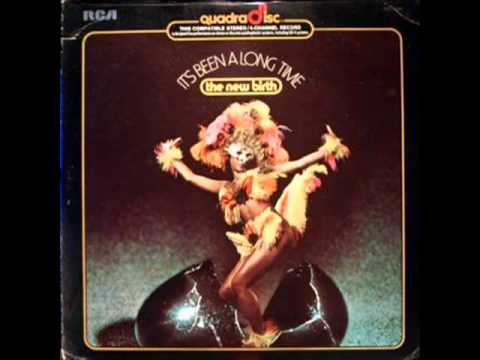



→ More from the 1970s File
View all 1970s hits →




Keep digging