The 1970s File Feature
I Can Understand It
I Can Understand It — The New Birth's Soul Groove of 1973 A Collective Born in the Thick of Soul's Golden Age The early 1970s belonged to soul music in a way…
01 The Story
I Can Understand It — The New Birth's Soul Groove of 1973
A Collective Born in the Thick of Soul's Golden Age
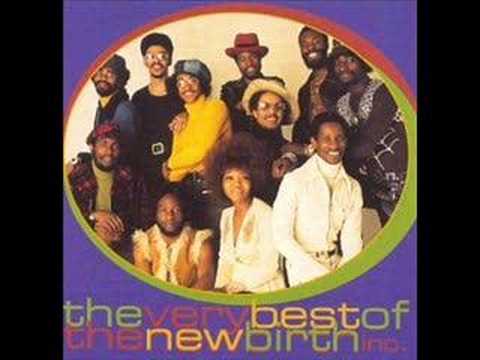
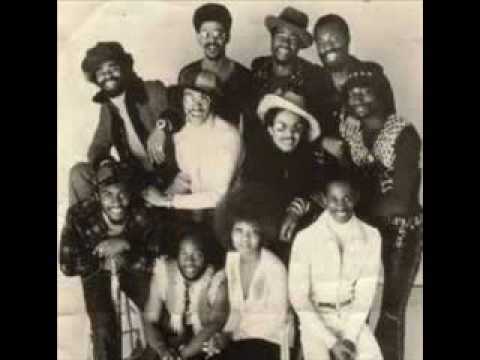
The early 1970s belonged to soul music in a way that now seems almost impossible to replicate. Funk was tightening its grip on radio, gospel-trained voices were crossing over from church pews to pop charts, and the big orchestral productions of Motown and Philadelphia International were beginning to share space with leaner, grittier sounds. Into this charged landscape stepped The New Birth, a large Louisville-bred ensemble that prided itself on volume, variety, and an almost theatrical command of the stage. The group could slide from smooth vocal harmonies into full-on funk without losing a single listener.
The New Birth operated under the RCA Victor imprint and had been steadily building momentum through the early part of the decade. The collective was led in its arrangements by the guiding hand of Harvey Fuqua, the veteran songwriter and producer who had cut his teeth at Motown and understood instinctively how to shape a groove into something that radio programmers could not ignore. Fuqua brought structure to a group whose natural inclination was toward sprawling, improvisational energy, and that tension between discipline and looseness gave their best recordings a live-wire quality.
The Song Takes Shape
Released in early 1973, I Can Understand It arrived at a moment when soul audiences were hungry for tracks that felt emotionally immediate. The record leaned on a rolling, mid-tempo groove, the kind that sits perfectly between dancing and listening. The New Birth layered call-and-response vocal parts over a rhythm section that locked in tight without ever becoming mechanical. Horns punctuated the arrangement at just the right intervals, giving the whole thing a sense of momentum that builds without rushing.
Harvey Fuqua's production approach kept the track grounded even as the vocal ensemble pushed into gospel-inflected peaks. The result was a record that felt simultaneously communal and intimate, like something overheard in a rehearsal space rather than assembled in a studio. That texture was the group's signature and it served the song well, lending the sentiment an air of authenticity that slicker productions of the era sometimes lacked.
The Billboard Climb
The record debuted on the Billboard Hot 100 on March 24, 1973, entering at number 89. Over the following weeks it moved steadily upward, reaching 78 in its third week and climbing through the 50s and 40s with consistent week-on-week gains. It reached its peak position of number 35 on May 26, 1973, after spending 13 weeks on the chart altogether. For a soul ensemble of The New Birth's size and ambition, charting inside the top 40 of the all-genre Hot 100 represented a genuine crossover achievement during a period when the pop charts were fiercely competitive.
The group's momentum was real. On the R&B charts, where their core audience lived, the record performed even more strongly, confirming that The New Birth had built a loyal constituency that went well beyond casual radio listeners. Those 13 weeks on the Hot 100 underscored just how much staying power the track possessed.
Place in the Larger New Birth Story
The New Birth would continue recording well into the decade, expanding their catalog and refining the soul-meets-gospel-meets-funk formula that made them distinctive. I Can Understand It stood as one of their clearest pop statements, a demonstration that a large ensemble could achieve chart success without sacrificing the communal energy that defined their live performances. The record placed them squarely within the tradition of self-contained soul acts, groups that wrote, arranged, and performed their own material with an evident sense of collective ownership.
Looking back across the decade, the track represents a high-water mark for the ensemble's crossover aspirations, a moment when their sound was perfectly calibrated for the prevailing radio climate. Soul music in 1973 had multiple competing strands, and The New Birth threaded them together on this recording with a confidence that only comes from years of live performance and studio craft.
A Sound Worth Revisiting
Decades later, I Can Understand It carries the warm, slightly worn quality of a classic 45 pulled from a crate at a well-stocked record shop. The horns, the layered vocals, the groove that sits just below a full boil, all of it holds up as a document of what early-1970s soul sounded like when performed by a group that genuinely believed in what it was playing. The New Birth's ensemble approach gave the track a depth that individual star vehicles of the era sometimes lacked, and that depth is precisely what makes it worth pressing play today.
"I Can Understand It" — The New Birth's singular moment on the 1970s charts.
02 Song Meaning
I Can Understand It — Empathy, Soul, and the Language of Feeling
The Emotional Core
At the center of I Can Understand It sits a deeply human proposition: that emotional pain, longing, and confusion are universally legible experiences, shared across circumstance and background. The song communicates a sense of recognition, of acknowledging that another person's struggle is not foreign but familiar. In a genre built on testimony and shared feeling, that premise carried enormous weight. Soul music in the early 1970s was not merely entertainment; it served as a form of communal conversation, and this track participates in that conversation with an openness that invites the listener to see their own experience reflected in the performance.
The emotional register of the track is empathetic rather than confrontational. Where some soul records of the era channeled anger or political frustration into their grooves, this one moves toward understanding and connection. That choice gave it a broad appeal while remaining rooted in the gospel-tinged tradition that the group drew from so naturally.
Call and Response as Community
The structure of the arrangement mirrors the song's theme with unusual elegance. The call-and-response vocal interplay that runs through the recording is not simply a stylistic convention; it dramatizes the act of being heard and answered. One voice poses a feeling, others confirm it. The musical form enacts the lyrical claim. This kind of structural coherence, where how a song sounds reinforces what it says, is the hallmark of a record that understands its own intentions.
The New Birth's ensemble approach amplified this quality considerably. A solo artist singing about mutual understanding is compelling; a large group demonstrating it through collective performance is something richer. The listener experiences not just the sentiment but a living example of it, with voices weaving together to create something none of them could have made alone.
The Cultural Moment
The spring of 1973 was a complicated season in American life. The Vietnam War was winding down but its psychological costs were everywhere apparent. Urban communities were navigating economic pressures and social dislocations that the previous decade's activism had not fully resolved. In that context, a song built around the idea that difficult feelings can be acknowledged and understood carried a quiet political charge, even if the record wore its politics lightly.
Soul music had always served as a vehicle for processing collective experience, from the optimism of the early Motown era through the sharper commentary of artists like Curtis Mayfield and Marvin Gaye. The New Birth's contribution was to emphasize the connective tissue between people, the possibility that even amid social turbulence, understanding remained available.
Why It Resonated
Radio listeners in 1973 encountered dozens of soul and funk records each week, many of them technically accomplished and emotionally competent. What set I Can Understand It apart was its directness. The sentiment arrived without irony, without posturing, and without the defensive armor that much popular music adopts to protect itself from accusations of sincerity. The New Birth simply stated a human truth and sang it with enough conviction to make it land. That quality of unguarded feeling is rare in any era of popular music, and it explains why the track earned genuine crossover traction on the Hot 100 alongside its strong R&B performance.
The record endures in record-collector circles as an example of the ensemble soul tradition at its most honest, a reminder that the genre's greatest strength was always its willingness to say plainly what other musical idioms would obscure.
"I Can Understand It" — The New Birth's singular moment on the 1970s charts.
→ More from The New Birth
View all The New Birth hits →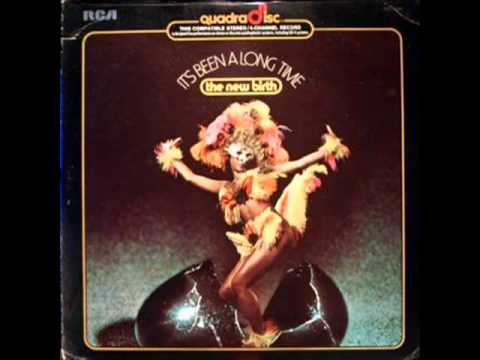
→ More from the 1970s File
View all 1970s hits →




Keep digging