The 1970s File Feature
Oh My My
The Story Behind Oh My My by The Monkees A Band Reduced to Its Final Two Members By 1970, The Monkees had shrunk dramatically from the four-member act that h…
01 The Story
The Story Behind "Oh My My" by The Monkees
A Band Reduced to Its Final Two Members
By 1970, The Monkees had shrunk dramatically from the four-member act that had dominated television screens and record charts just a few years earlier, with Peter Tork and Michael Nesmith both having departed the group by this point, leaving only Micky Dolenz and Davy Jones to carry the Monkees name forward into an increasingly uncertain commercial future. That drastically reduced lineup recorded and released this single as one of the final Monkees recordings of their original run, a genuine coda to what had been one of the most manufactured yet commercially explosive pop phenomena of the entire 1960s.
A Sound Reaching for Contemporary Relevance
"Oh My My" found the remaining duo working with outside collaborators to craft a sound that reached toward the funkier, more soulful pop-rock textures gaining popularity as the decade turned, a notable departure from the bright, bubblegum-adjacent pop that had defined the group's earliest and most commercially explosive hits. That stylistic pivot reflected a broader, if ultimately unsuccessful, effort to keep the group commercially and artistically relevant amid a rapidly shifting popular music landscape that had largely moved past the made-for-television pop formula that originally created them.
A Steep Commercial Decline
Commercially, "Oh My My" debuted on the Billboard Hot 100 on June 6, 1970, and reached its peak position of number 98 during the chart week of June 13, 1970, spending just two weeks on the chart overall. That extraordinarily modest performance stood in stark contrast to the group's earlier chart-topping dominance, illustrating just how thoroughly the Monkees' commercial fortunes had collapsed once the television show that originally launched them had ended and key members had departed the lineup entirely.
The End of an Improbable Pop Experiment
This single arrived essentially at the tail end of the group's original recording run, released not long before Dolenz and Jones themselves would also part ways, bringing a formal close to the Monkees as an active recording and performing unit for more than a decade afterward. Its commercial failure reflected broader shifting tastes as much as any specific shortcoming in the recording itself, with audiences increasingly gravitating toward more explicitly authentic singer-songwriter and album-oriented rock acts over manufactured, television-originated pop groups.
Outside Collaborators Filling a Creative Gap
With the group's primary songwriting and instrumental talents largely departed, Dolenz and Jones leaned more heavily than ever on outside songwriters and session musicians to shape the recording, a practical necessity that also subtly echoed the group's original manufactured origins as a television-cast act built around hired talent behind the scenes. That reliance on external collaborators produced a competent, professionally crafted single, even if it lacked the distinct personal stamp that Nesmith's songwriting in particular had brought to earlier Monkees recordings.
A Complicated but Genuine Legacy
Despite the messy, diminished circumstances surrounding its release, this recording still carries genuine historical interest as a document of two talented performers trying earnestly to evolve their sound under increasingly difficult commercial and personnel circumstances. Within the group's broader story, later critical reassessment would treat much of this final-era material with considerably more sympathy than it received upon its original underwhelming release, recognizing genuine musical ambition beneath the commercial struggle surrounding it.
A Contrast With the Group's Chart-Topping Peak
Just a few years earlier, The Monkees had routinely landed singles at or near the very top of the Billboard Hot 100, a run of commercial dominance built on the momentum of their hit television series and the considerable promotional machinery supporting it at every turn. Measured against that earlier standard, a number 98 peak reached over just two brief weeks represented an almost unimaginable reversal of fortune, underscoring how completely the group's commercial standing had eroded once the show ended and the original lineup fractured beyond repair.
A Quiet Coda to a Loud Pop Phenomenon
Press play and hear the tail end of one of pop music's strangest, most commercially successful experiments finally running out of momentum, even as the two remaining members kept genuinely trying.
"Oh My My" — The Monkees's singular moment on the 1970s charts.
02 Song Meaning
What "Oh My My" Is Really About
Playful Romantic Exclamation as Central Hook
At its core, the song builds around a simple, exclamatory expression of romantic excitement and attraction, using its repeated title phrase as a catchy, almost conversational hook rather than developing a complex narrative structure. Micky Dolenz and Davy Jones's vocal interplay throughout the track leans into that playful, lighthearted energy, favoring immediate accessibility over the more introspective songwriting other contemporary acts were increasingly favoring during this same period.
A Sound Reaching Toward Funkier Territory
Musically, the track leans into a groovier, more rhythmically driven arrangement than much of the group's earlier catalog, reflecting a genuine if commercially unsuccessful attempt to align with contemporary funk and soul-influenced pop trends gaining traction as the new decade began. That stylistic shift represented a real effort at artistic evolution, even though the resulting single ultimately failed to connect with either the group's original youthful fanbase or a meaningfully new audience.
Romantic Simplicity Over Deeper Complexity
Unlike the more socially conscious or introspective songwriting increasingly common on rock radio by 1970, this track deliberately favors uncomplicated romantic enthusiasm, continuing the accessible, upbeat pop tradition that had defined the group's identity from its earliest television-driven beginnings. That consistency in tone, even amid a changing sound, reflects the group's core commercial identity as fundamentally a pop entertainment act rather than a vehicle for weightier artistic statements.
A Duo Working to Preserve a Group Identity
With only two original members remaining, the recording represents a genuine effort to preserve some continuity of the Monkees' established sound and public identity, even as the lineup and creative circumstances surrounding the group had changed dramatically from its television-era peak. That preservation instinct shaped many of the group's late-period musical choices, favoring familiar territory over any radical reinvention that might have alienated whatever remaining audience still followed their new releases.
A Song Overshadowed by Its Own Circumstances
Much of the song's meaning today is inseparable from the circumstances surrounding its release, a modest single from a rapidly dissolving group rather than a fully independent artistic statement judged purely on its own musical merits. That context inevitably colors how the recording is remembered, often discussed more as a historical footnote than as a song evaluated strictly on its own songwriting terms.
Two Voices Carrying a Diminished Group Forward
With Tork and Nesmith gone, the vocal chemistry between Dolenz and Jones carried an outsized share of the recording's remaining charm, their familiar, easy interplay offering continuity even as nearly everything else about the group's circumstances had changed dramatically. That reliance on two established, well-liked voices gave the track a warmth and familiarity it might otherwise have lacked given the considerably reduced creative resources surrounding its production.
Why the Song Still Draws Interest
Today, the track holds interest primarily for Monkees historians and completists tracing the group's full commercial and artistic arc, offering a window into how a manufactured pop phenomenon attempted, with limited success, to evolve alongside a rapidly changing popular music landscape. Its enduring appeal rests less on chart performance and more on what it reveals about a group grappling honestly with its own uncertain future.
"Oh My My" — The Monkees's singular moment on the 1970s charts.
→ More from The Monkees
View all The Monkees hits →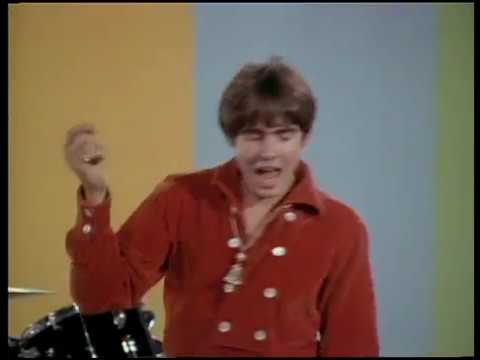

→ More from the 1970s File
View all 1970s hits →




Keep digging