The 1970s File Feature
We Never Danced To A Love Song
We Never Danced To A Love Song: The Manhattans' Soul Ballad of 1977 The Manhattans had been recording since the early 1960s, building a devoted following in …
01 The Story
We Never Danced To A Love Song: The Manhattans' Soul Ballad of 1977
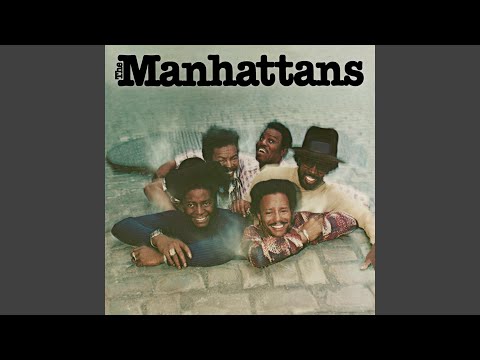
The Manhattans had been recording since the early 1960s, building a devoted following in the soul and R&B world through a series of releases on smaller labels before finding mainstream crossover success in the mid-1970s. By 1977, when "We Never Danced to a Love Song" was released, the group had established themselves as one of the premier practitioners of classic soul balladry, a style that was simultaneously being eclipsed by disco on the pop charts and being sustained by a loyal R&B audience that valued emotional depth over dancefloor energy. The single was released on Columbia Records, which had signed the group as part of its effort to maintain a significant presence in the R&B market during a period of rapid stylistic change.
The Manhattans had achieved their commercial breakthrough with "Kiss and Say Goodbye" in 1976, a song that reached number one on both the Billboard Hot 100 and the R&B chart and established the group as a mainstream pop force as well as an R&B staple. "Kiss and Say Goodbye" spent two weeks at number one on the Hot 100 and was one of the best-selling singles of that year, demonstrating that there was a substantial audience for emotional, orchestrated soul balladry even as the disco movement was reshaping the commercial landscape of black popular music. "We Never Danced to a Love Song" came in the wake of that massive success, attempting to consolidate the commercial ground the group had gained.
The recording session for "We Never Danced to a Love Song" reflected the Manhattans' established approach: rich vocal harmony, understated but effective production, and a lyrical focus on romantic intimacy and emotional honesty. The group had developed their vocal blend over more than a decade of performing together, and it showed in the precision and warmth of their harmonies. Lead vocalist Gerald Alston, who had taken over primary lead-vocal duties following the departure of founding member George Smith, brought a smooth, expressive tenor to the material that suited the ballad format perfectly.
The production on the single was in keeping with the late-1970s soul ballad aesthetic: lush without being excessive, with string arrangements that supported rather than overwhelmed the vocal performance, and a rhythmic foundation that was present but unobtrusive. The arrangement placed the vocal harmonies at the center of the listening experience, a choice that reflected both the group's greatest asset and their creative confidence in leading with it. This was the kind of production philosophy that differentiated the soul ballad tradition from the disco-inflected productions of the same period, which tended to foreground rhythm and groove at the expense of vocal nuance.
Columbia Records had been an important platform for the Manhattans' crossover ambitions, providing distribution muscle and promotional resources that their earlier, smaller-label affiliations had not been able to supply. The label's investment in the group reflected a broader strategy of maintaining strength in the adult R&B market, which remained commercially significant even as the more visible and commercially dominant trends of the late 1970s moved in other directions. The Manhattans were exactly the kind of established, quality act that could anchor a label's R&B catalog during a period of stylistic flux.
The single performed respectably on the R&B chart, where the Manhattans' loyal audience continued to support their releases with the consistency that had characterized the group's career since the mid-1960s. While "We Never Danced to a Love Song" did not replicate the extraordinary crossover performance of "Kiss and Say Goodbye," it maintained the group's presence in both the R&B and pop markets and added another entry to what was becoming an impressive catalog of soul ballads. The group's consistency during this period, their ability to deliver high-quality recordings on a regular schedule, was itself a form of achievement in an industry that often consumed its acts quickly.
In the broader context of late-1970s soul, "We Never Danced to a Love Song" represents a determination to honor and sustain a tradition of emotionally engaged, harmonically rich black popular music at a moment when the commercial pressures of the disco era were pushing in other directions. The Manhattans continued recording and performing into the 1980s and beyond, adapting to changing styles while maintaining their core identity as a vocal harmony group rooted in the classic soul tradition. Their body of work from the Columbia years, of which this single is a part, represents some of the finest soul balladry of the decade.
02 Song Meaning
The Things Left Undone: Meaning in "We Never Danced To A Love Song"
"We Never Danced to a Love Song" draws its emotional power from a familiar but inexhaustible subject: the retrospective inventory of a relationship, the cataloguing of moments that did not happen and gestures that were never made, and the particular sadness of recognizing in memory all the things that should have been different. The song's central conceit, the image of a couple who never found the time or the willingness to share the simple romantic experience of dancing together to a song that meant something to both of them, is used as a synecdoche for a larger failure of intimacy and presence.
This kind of elegiac retrospection was at the heart of the classic soul ballad tradition that the Manhattans had always occupied. The group had been recording since the early 1960s and released "We Never Danced to a Love Song" on Columbia Records in 1977, building on the commercial groundwork laid by their 1976 number-one hit "Kiss and Say Goodbye." The great soul ballads of the 1960s and 1970s were not, in the main, songs about love at its height but songs about love at its edges, at the moment of departure, at the point of realization, in the aftermath of loss. The Manhattans were among the finest practitioners of this tradition, bringing to it both vocal harmony and an emotional specificity that distinguished their best work from more generic treatments of the same themes.
The dance as a metaphor for romantic connection is ancient in popular music and carries particular resonance in the soul and R&B tradition, where dancing and music-making have always been intimately linked. To have never danced to a love song together is therefore to have missed something essential about the shared life that music can provide, a failure not just of romance but of the most basic kind of emotional communion that popular music exists to facilitate. The song's narrator understands this belatedly, which is itself a characteristically human condition: knowing the value of something only after it is no longer available.
Gerald Alston's lead vocal performance carries the weight of this retrospective understanding with a maturity and restraint that was one of the Manhattans' distinguishing qualities. He does not perform grief theatrically but conveys it through the careful shading of his phrasing, the slight catch in the voice that suggests emotion held just in check. The vocal harmony of the group around him reinforces the sense of depth and time, as if the harmonies themselves represent the accumulation of shared experience that the lyric is mourning.
The song's emotional logic moves from the specific to the universal. The particular thing that the couple never did, dancing to a love song together, opens outward to suggest all the forms of intimacy and connection that a relationship can fail to achieve even when both people within it care for each other. It is a meditation on the gap between intention and action, between the love people feel and the love they manage to express before the opportunity passes. This is a theme that requires no particular historical context to resonate; it belongs to the permanent landscape of human emotional experience.
In the context of the late 1970s, the song's reflective, inward-looking quality was itself a kind of counter-programming against the extroversion and communal energy of disco. Where disco invited the listener into a shared public experience of music and movement, "We Never Danced to a Love Song" invited a private, retrospective engagement with the cost of not having shared enough. Both modes of engagement with popular music are genuine and important, and the fact that there was still an audience for the latter during the height of disco's commercial dominance speaks to the enduring need for music that addresses the interior life directly and without spectacle.
→ More from The Manhattans
View all The Manhattans hits →
→ More from the 1970s File
View all 1970s hits →




Keep digging