The 1970s File Feature
Don't Take Your Love
"Don't Take Your Love" — The Manhattans' Soul Ballad Rises in 1975 The Manhattans' Long Road to Chart Success There is something deeply satisfying about watc…
01 The Story
"Don't Take Your Love" — The Manhattans' Soul Ballad Rises in 1975
The Manhattans' Long Road to Chart Success
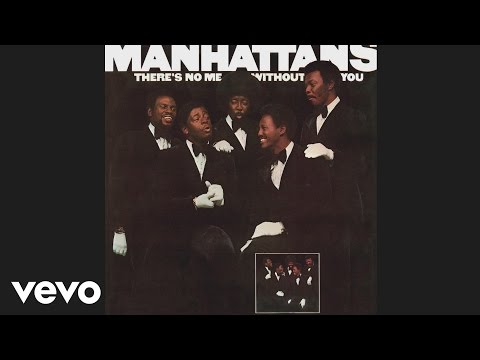
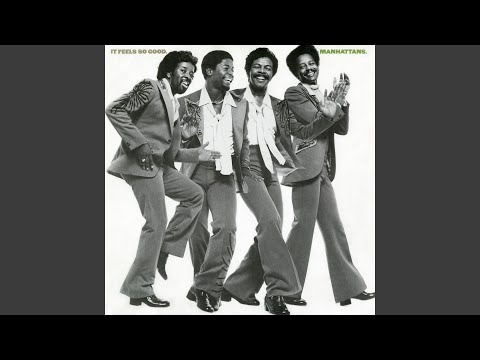
There is something deeply satisfying about watching a group with genuine talent finally find the commercial foothold their work deserved. The Manhattans had been recording since the early 1960s, working their way through the rhythm and blues landscape with a combination of polished vocal harmony and deeply felt emotional material that marked them as serious artists rather than trend-chasers. By 1975, they had been at their craft for well over a decade, and "Don't Take Your Love" was part of a period that finally brought their abilities to a broader national audience.
The group was formed in Jersey City, New Jersey, in the early 1960s, and they built their reputation in the soul and R&B markets through consistent recording and touring. Their harmonies drew on the doo-wop tradition that had shaped so much of early 1960s Black popular music, and as the decade shifted, they adapted to the more sophisticated production styles of the late 1960s and early 1970s without losing the core vocal identity that made them distinctive. Lead singer Gerald Alston provided much of the group's emotional center, with a voice that combined vulnerability and power in proportions that suited the romantic ballad format perfectly.
The Soul Landscape of 1975
Soul music in early 1975 was navigating a complex terrain. Philadelphia International Records had established a glossy, orchestrated style of soul production that dominated the radio landscape. Funk, powered by artists like James Brown and Parliament-Funkadelic, pulled at one edge of the format. And at the other end, the intimate romantic ballad tradition continued to serve an audience that wanted emotional depth and vocal sophistication above rhythmic complexity or production sheen. The Manhattans occupied that intimate ballad space with particular effectiveness.
"Don't Take Your Love" was the kind of track that could move a listener to stillness in the middle of a crowded room. The production placed the vocal performance front and center, with strings and rhythm elements supporting rather than competing with the harmonies. The arrangement served the song's central emotional argument with an economy of means that reflected genuine production wisdom rather than budget constraint.
The Billboard Chart Run
The single debuted on the Billboard Hot 100 on January 4, 1975, entering at position 90. Its ascent over the following weeks was steady and purposeful, reflecting the gradual accumulation of radio airplay and retail activity that characterized how soul ballads built their audience. Through January and into February, the track climbed: from 88 to 76 to 67 to 56 as each week passed. On February 15, 1975, the single reached its peak of number 37, a strong commercial position for a group that had spent over a decade building their audience. The track spent ten weeks total on the chart, a run that confirmed depth of audience support rather than a flash of initial interest.
A peak of 37 in early 1975 placed the Manhattans in competitive chart company. The Hot 100 that winter included recordings from many of the era's biggest names, and the group's ability to reach the upper third of the chart with a slow-building, vocal-forward soul ballad demonstrated real commercial force.
Columbia Records and the Group's Rise
The Manhattans had signed with Columbia Records, one of the most powerful labels in popular music, which gave their releases the promotional infrastructure needed to reach national audiences. Their Columbia years, beginning in the early 1970s, marked the period of their greatest mainstream commercial success, culminating in records that would place them among the most successful soul acts of the mid-to-late 1970s. "Don't Take Your Love" was one of the early indicators that this relationship would be productive.
The label's marketing and distribution capabilities amplified what the group's vocal performances could achieve on their own merits. But it was always the performances that justified the investment, and "Don't Take Your Love" demonstrated those performances at a high level.
An Invitation to Experience Soul
The best soul ballads from this era have a quality that time does not diminish. The emotional directness, the vocal craft, the straightforward sincerity of the plea at the center of the song, these are not period-specific features. They are the durable stuff of human feeling rendered in musical form. Find this recording and let the Manhattans remind you what harmonies built on love actually sound like.
"Don't Take Your Love" — The Manhattans' singular moment on the 1970s charts.
02 Song Meaning
"Don't Take Your Love" — Pleading, Devotion, and the Soul Ballad's Grammar of Need
The Architecture of the Plea
There is a specific emotional register in soul music that has no precise equivalent in other genres: the plea. Not merely a request, not a demand, but something in between, a communication that combines vulnerability and urgency in a way that bypasses the listener's defenses and reaches something more fundamental. "Don't Take Your Love" operates entirely within this register. The central appeal, the entreaty not to be left, is delivered with the full harmonic and emotional resources of a group who understood how to make this particular kind of music hit its mark.
The Manhattans were masters of the plea as a musical form. Their years of working in the doo-wop and early soul traditions had given them an intuitive understanding of how to use vocal layering to amplify emotional content, how to build harmonies that made a simple request feel like something close to prayer. "Don't Take Your Love" drew on all of that accumulated skill.
Romantic Vulnerability in 1975
Soul music in the mid-1970s was navigating a particular cultural moment in which Black romantic expression was simultaneously gaining mainstream commercial visibility and maintaining its roots in a tradition of emotional honesty that went back through gospel and blues. The vulnerability at the center of "Don't Take Your Love" was a consistent feature of the Manhattans' output, and it reflected a willingness to express emotional need that the dominant culture often coded as weakness while the music's core audience understood as strength.
The ten weeks the track spent on the Billboard Hot 100, peaking at number 37 in February 1975, documented an audience that valued and responded to this emotional directness. The commercial success of romantic soul ballads in this period was not incidental; it reflected a genuine appetite among listeners for music that addressed the inner life of love with honesty and craft.
Harmony as Emotional Amplifier
One of the distinctive qualities of the Manhattans' recordings was the way their group harmonies amplified the emotional content of their lead vocal performances. A single voice pleading is moving; voices in harmony pleading together approaches the universal. The group format allowed each member's voice to contribute a different color to the same emotional statement, creating a texture that felt both communal and intensely personal simultaneously.
This quality connected their work to the gospel tradition, where the collective voice singing together was itself an act of witness, a community affirming something together. The secular subject matter of romantic love did not diminish that collective quality; if anything, it made the emotional content more accessible to listeners outside the church context.
The Long Tradition This Song Inhabits
The plea not to be left, not to have love withdrawn, is one of the oldest subjects in popular music. From early blues through the Motown era and beyond, artists have found endlessly varied ways to express the fear of abandonment and the desire for devotion. The Manhattans' contribution to this tradition was distinguished by their harmonic sophistication and their emotional restraint. They never oversold the feeling. The performance trusted the listener to meet the emotion halfway rather than forcing it on them with theatrical excess.
That restraint is what allows the song to continue reaching listeners decades after its original chart run. The feeling it addresses is permanent, and the performance that addresses it is skilled enough to have outlasted its moment.
"Don't Take Your Love" — The Manhattans' singular moment on the 1970s charts.
→ More from The Manhattans
View all The Manhattans hits →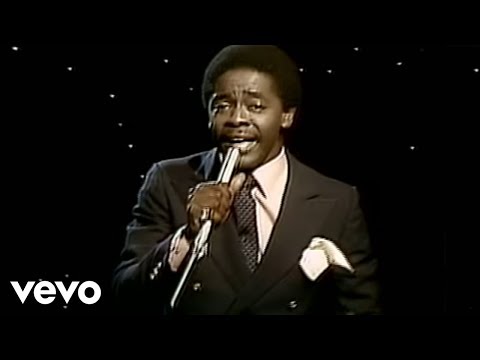


→ More from the 1970s File
View all 1970s hits →




Keep digging