The 1970s File Feature
Want Ads
The Honey Cone and the Number-One Triumph of "Want Ads" In the spring of 1971, The Honey Cone achieved what relatively few all-female vocal groups had manage…
01 The Story
The Honey Cone and the Number-One Triumph of "Want Ads"
In the spring of 1971, The Honey Cone achieved what relatively few all-female vocal groups had managed in the preceding decade: a number-one hit on the Billboard Hot 100. "Want Ads" reached the top position during the chart week of June 12, 1971, and held it for one week before yielding to subsequent chart activity. The sixteen-week chart run, which began on April 10, 1971, with a debut at number 79, traced one of the most satisfying commercial arcs of that year, moving steadily upward through April and May before arriving at its peak as summer began.
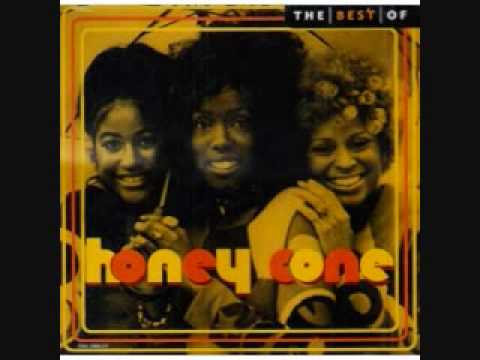
The group consisted of three former background vocalists: Edna Wright, the sister of Darlene Love; Carolyn Willis, who had sung with Bob B. Soxx and the Blue Jeans; and Shellie Clark, also a session veteran. Their individual credentials were impressive, rooted in the Los Angeles studio scene where the best session singers developed formidable craft through years of work on recordings by major artists. The decision to form a performing group was partly a response to the frustrations of the background singer's anonymous position in the music industry and partly an opportunity created by the ambitions of their record label.
That label was Hot Wax Records, an imprint distributed by Buddah Records and operated by the legendary songwriting and production team of Holland-Dozier-Holland. Brian Holland, Lamont Dozier, and Eddie Holland had left Motown in 1968 following contractual disputes with Berry Gordy, and they launched Invictus and Hot Wax Records as vehicles for their continued creative and commercial ambitions outside the Detroit organization. The Honey Cone was among the first acts signed to the new enterprise, and the label invested significant creative resources in developing the group.
"Want Ads" was written by General Johnson, Greg Perry, and Barney Perkins, and produced by Perry under the Holland-Dozier-Holland umbrella. The song's central conceit, using the language and format of classified newspaper advertisements as a vehicle for romantic longing, was clever without being labored, accessible without being condescending. The production drew on the established HDH sonic vocabulary: punchy horns, a driven rhythm section, vocal harmonies that combined warmth with assertiveness. The result was a record that sounded immediately familiar and yet distinctly itself, occupying that narrow commercial sweet spot between the generic and the original.
The chart climb from the April 10 debut at 79 to the June 12 peak at number 1 was a masterclass in sustained commercial momentum. The record moved to 73 in its second week, then 59, then 32, then 18, then continued climbing through May before finally reaching the summit. Each weekly position reflected genuine radio growth in additional markets rather than artificial inflation, and the result was a chart career that felt earned rather than manufactured. The sixteen-week total run placed the record among the longest-charting entries in the Hot 100 that year.
The group's vocal performance on the record showcased the particular quality that distinguished genuinely accomplished background singers turned lead performers: an ensemble precision that most front-from-the-start groups could not replicate, combined with a willingness to let individual personalities emerge from within the collective sound. Edna Wright's lead vocal was warm and assertive without dominating the arrangement to the point of making the other voices seem decorative; the harmony work throughout the recording reflected years of professional experience in blending while maintaining individual identity.
The success of "Want Ads" occurred at a significant moment in the history of women in American popular music. The early 1970s were witnessing increasing commercial and critical attention to female artists who exercised creative agency rather than simply interpreting material chosen by male producers and label executives. The Honey Cone's position within the Holland-Dozier-Holland structure complicated that narrative somewhat: they were performing and recording within a framework controlled by male creative authority. Yet the assertiveness of the song's perspective, in which the protagonist actively seeks a new romantic partner rather than passively waiting, gave the record a quality of female agency that resonated with contemporary audiences.
The commercial context of 1971 included the ongoing fragmentation of the pop market into sub-formats, with soul, rock, country, and pop increasingly operating as distinct commercial spheres even as the Hot 100 attempted to consolidate all of them into a single ranking. For a soul-rooted record with The Honey Cone's profile to reach number one on that consolidated chart was a demonstration of the genuine crossover appeal of well-crafted Black popular music when given adequate promotional support and radio access.
02 Song Meaning
The Meaning Behind "Want Ads"
"Want Ads" deploys one of the most inventive structural conceits in early-1970s pop songwriting: it borrows the form and language of classified newspaper advertisements to articulate the experience of romantic seeking. By framing the protagonist's desire for a new partner in the transactional language of the want ad, the song creates a productive tension between the commercial register it mimics and the genuine emotional need it expresses. This tension is not played purely for comedy; it reflects something true about the vulnerability of romantic longing and the ways in which people construct self-protective frameworks around their deepest needs.
The classified ad format was an inspired choice for several reasons. Want ads in 1971 were among the most familiar features of daily American life, consulted by millions of readers seeking employment, housing, goods, and services. The act of placing a want ad was a public declaration of a specific need and a willingness to be approached by strangers who might fulfill it. Transposing that logic to the romantic domain made the song's message simultaneously funny and poignant: the protagonist is so thoroughly done with her previous relationship that she is ready to advertise for a replacement, approaching love with the same practical directness she might bring to finding a used car or a new apartment.
The Honey Cone's vocal performance is essential to the song's tonal balance. They inhabit the conceit with enough comic lightness to acknowledge its inherent absurdity while delivering enough genuine warmth and musical conviction to prevent the record from becoming a novelty song. The ability to hold both registers simultaneously, playful and sincere, is a demanding skill, and the group's background as professional session singers gave them the technical range to pull it off. The result is a record that makes listeners smile and feel something simultaneously, a combination that the best pop songs achieve but that cannot be manufactured through craft alone without genuine artistic intelligence.
The song's perspective is notably assertive, particularly within the conventions of early-1970s popular music. The protagonist is not lamenting a lost love or waiting to be discovered; she is actively advertising her availability and specifying her requirements. This posture of romantic self-determination was a meaningful departure from the more passive female perspectives that dominated much of the pop and soul landscape, and it undoubtedly contributed to the record's resonance with audiences who were simultaneously processing the cultural changes being driven by the women's movement.
The Holland-Dozier-Holland production context adds another layer to the song's meaning. The classified-ad format could be read as a subtle commentary on the music industry's own transactional treatment of female artists, particularly background singers like the members of The Honey Cone, who spent years providing their vocal labor anonymously to projects controlled by others. The act of the protagonist placing her own want ad, on her own terms and for her own benefit, mirrors the group's own transition from anonymous labor to credited, foregrounded performance. This reading may not have been consciously intended, but it gives the song an additional dimension of cultural resonance that rewards attention.
The lasting appeal of "Want Ads" rests on its combination of wit, genuine feeling, and flawless execution. Clever conceits abound in popular music, but only the best ones are sustained through the full length of the recording without becoming exhausting or self-congratulatory. This record achieves that sustained quality because the emotional truth at its core, the specific pain of a relationship that has failed and the specific determination to move forward, is strong enough to carry the metaphorical framework rather than being carried by it. The want ad is the delivery mechanism; the feeling is the content, and the feeling is real.
→ More from The Honey Cone
View all The Honey Cone hits →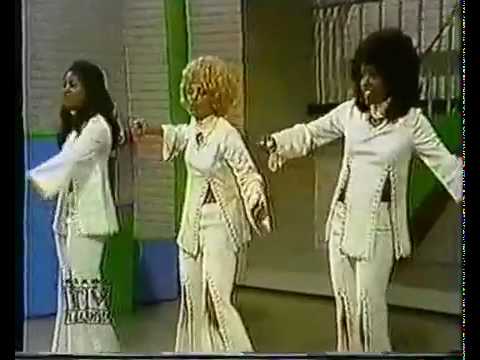

→ More from the 1970s File
View all 1970s hits →




Keep digging