The 1970s File Feature
One Monkey Don't Stop No Show Part I
One Monkey Don't Stop No Show (Part I) — The Honey Cone (1971) The Honey Cone were one of the most commercially successful female soul groups of the early 19…
01 The Story
One Monkey Don't Stop No Show (Part I) — The Honey Cone (1971)
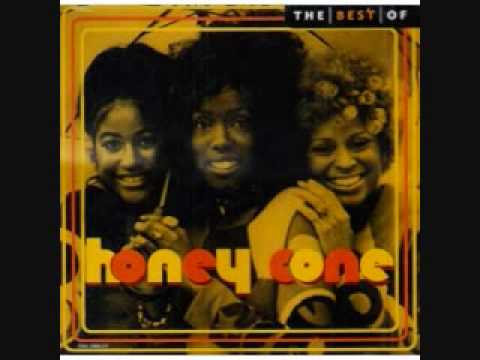
The Honey Cone were one of the most commercially successful female soul groups of the early 1970s, and their run of hits on the Hot Wax label represents a concentrated flowering of the funk-inflected pop-soul sound that characterized the Detroit independent scene of that era. The group consisted of Edna Wright, Carolyn Willis, and Shelly Clark, three singers who had each paid considerable dues in the music industry before coming together as a unit. Edna Wright was the sister of Darlene Love and had been a member of the Blossoms, one of the most prolific session and background vocal groups in Los Angeles. Carolyn Willis had also been a Blossom, and Shelly Clark had worked extensively in the industry as a session vocalist. Their experience gave the Honey Cone a technical precision and a professional polish that set them apart from many of their contemporaries.
Hot Wax Records was a Detroit-based independent label founded by the production team of Holland-Dozier-Holland, the legendary songwriting and production trio who had departed Motown in the late 1960s following a dispute over royalties and creative control. Holland-Dozier-Holland had written and produced dozens of Motown hits, including major recordings by the Four Tops, the Supremes, and Marvin Gaye, and their departure from Motown was one of the most significant events in Detroit soul history. Their new labels, Invictus and Hot Wax, were established vehicles for continuing their production work outside the Motown system, and the Honey Cone became one of their most successful acts at Hot Wax.
The group scored their biggest commercial success with "Want Ads" in 1971, a record that reached number one on both the Billboard Hot 100 and the R&B Singles chart and became one of the defining soul hits of that year. "Want Ads" established the Honey Cone as a genuine commercial force and set the stage for the follow-up singles that Hot Wax would release in quick succession to capitalize on the momentum. "One Monkey Don't Stop No Show (Part I)" was among those follow-up releases, arriving in 1971 while the group was still riding the wave of goodwill and commercial attention generated by their breakthrough hit.
The title phrase "One Monkey Don't Stop No Show" is a vernacular expression with roots in African American oral tradition, suggesting that the absence or failure of one individual cannot derail a larger enterprise or collective endeavor. The phrase carries connotations of resilience, self-sufficiency, and the refusal to allow one person's shortcomings or departure to define the trajectory of a life or a group. As a commercial single, "One Monkey Don't Stop No Show (Part I)" charted on the Billboard Hot 100 and the R&B singles chart, adding to the Honey Cone's growing catalogue of charting material in 1971.
The production on the track reflected the Holland-Dozier-Holland approach of combining propulsive rhythm tracks with melodic sophistication and careful vocal arrangement. The Honey Cone's three-part harmonies were a central commercial asset, and the production style showcased them while also providing the kind of rhythmically engaging instrumental foundation that worked effectively on radio and on the dancefloor. This combination of melodic appeal and rhythmic energy was characteristic of the best Hot Wax productions and gave the Honey Cone recordings a durability that persisted beyond their immediate chart lives.
The broader context of 1971 in American soul music was one of considerable creative vitality and commercial competition. Motown was still dominant, but the emergence of independent soul labels in Detroit, Memphis, and elsewhere had created a more diverse and competitive marketplace for Black popular music. Hot Wax and its sister label Invictus were part of this independent soul ecosystem, offering Holland-Dozier-Holland a platform for their continued creative work while providing artists like the Honey Cone with the kind of committed production attention that could translate their talent into commercial success.
The Honey Cone's run of chart success in 1971 placed them at the center of a particularly interesting moment in the history of female soul. Groups like the Supremes and Martha and the Vandellas had defined one mode of female soul performance in the 1960s, but the Honey Cone brought a harder edge and a more explicitly assertive lyrical perspective to their material. Their songs frequently addressed romantic situations from a position of female agency and self-determination, anticipating the more explicitly feminist themes that would characterize significant strands of popular music in the years to come.
The "(Part I)" designation in the song's title reflected a common commercial practice of the era, in which a longer recording was split between the two sides of a single or between a commercial release and an album track, allowing radio stations to play the more concise Part I while album buyers could access the complete version. This practice was particularly associated with soul and funk recordings of the period, where extended grooves and instrumental passages could sustain attention over longer running times than the pop single format typically accommodated.
The Honey Cone's place in the history of early 1970s soul is secure, and "One Monkey Don't Stop No Show" contributes to that legacy by demonstrating the consistent quality of their collaboration with Holland-Dozier-Holland. The group charted multiple top-forty hits in a compressed period, an achievement that speaks to both their talent and the effectiveness of the Hot Wax production and promotion machinery during the label's most commercially productive years.
02 Song Meaning
The Meaning of "One Monkey Don't Stop No Show (Part I)" — The Honey Cone
"One Monkey Don't Stop No Show" draws on a deeply rooted phrase from African American vernacular tradition to construct a statement of romantic and personal resilience. The central idea of the song is that no single person, regardless of how important they once seemed, has the power to derail the narrator's life, happiness, or forward momentum. If someone chooses to leave, or to behave badly, or to withdraw their presence, the show continues regardless. Life does not stop because one relationship ends or one person disappoints.
This is fundamentally a song about self-sufficiency and the refusal to be diminished by romantic loss. The narrator is not presented as devastated or helpless in the face of a partner's departure or betrayal. She is, instead, composed and clear-eyed, operating from the recognition that her own value and her own capacity for happiness are not contingent on any individual's continued presence or approval. This emotional stance was not universal in popular music of the period, which frequently portrayed romantic loss as catastrophic and often cast women in particular as passive recipients of romantic fortune rather than active agents in their own emotional lives.
The Honey Cone, working within the Holland-Dozier-Holland production framework, consistently gravitated toward this kind of assertive lyrical territory, and "One Monkey Don't Stop No Show" is among the most concentrated expressions of that tendency. The song positions female independence and emotional resilience not as a radical political statement but as a natural and matter-of-fact attitude, something that the narrator embodies without making a particular point of it. This matter-of-factness is part of what makes the song's stance so effective: it presents self-sufficiency as the default rather than the exception.
The vernacular phrase at the heart of the song carries its own cultural weight beyond the immediate romantic context. "One monkey don't stop no show" is an expression that speaks to collective endeavor, to the idea that no individual is indispensable to a larger enterprise. Applied to a romantic situation, it suggests that a relationship is not the entire content of a life but rather one element within a broader existence that continues to have value and momentum regardless of whether any particular partnership endures. This is a philosophically sophisticated position, and the song's genius is in making it feel immediate and personal rather than abstract.
The song also participates in a tradition of African American popular music that uses humor, wit, and linguistic play to address serious emotional situations. The phrase itself has a slightly comic quality, a homespun earthiness that lightens the emotional weight of what might otherwise be a straightforward song about romantic rejection or loss. This tonal complexity, combining genuine emotional assertion with a lightness of touch, is characteristic of the best soul recordings of the early 1970s and reflects the cultural tradition from which the Honey Cone drew their artistic resources.
For the Honey Cone's catalogue, "One Monkey Don't Stop No Show" reinforces the thematic consistency that runs through their most significant recordings. Their hit "Want Ads" had already established a template of female agency in romantic contexts, describing a narrator who approaches the search for a partner with the same practical efficiency she might bring to any other goal-oriented activity. "One Monkey Don't Stop No Show" extends this theme into the territory of aftermath, addressing what happens after a relationship ends and insisting that what happens is, essentially, that life goes on with undiminished energy and purpose.
The emotional register is therefore one of triumph without cruelty, of moving forward without bitterness, of refusing to assign excessive significance to a loss that, however real, does not define the narrator or limit her future. This combination of emotional honesty and forward-looking resilience gave the Honey Cone's recordings a particular appeal for audiences who were navigating similar emotional territories in their own lives, and it explains why their music retained its resonance beyond the immediate moment of its commercial success. The sentiment the song expresses is not specific to 1971. It speaks to a permanent aspect of human emotional experience and does so with the directness and warmth that characterized the best soul music of the era.
→ More from The Honey Cone
View all The Honey Cone hits →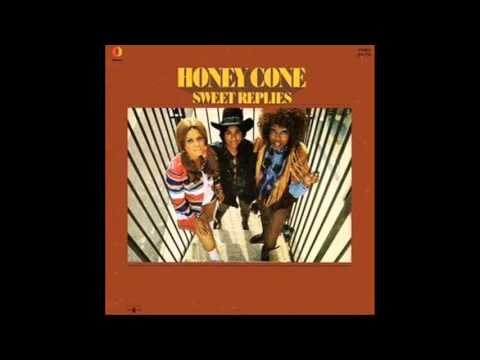

→ More from the 1970s File
View all 1970s hits →




Keep digging