The 1970s File Feature
Oh Girl
The Chi-Lites Reach the Summit with Oh Girl There is a sound that defines early-1970s soul: lush, aching, dressed in strings and tender male harmony, the kin…
01 The Story
The Chi-Lites Reach the Summit with "Oh Girl"
There is a sound that defines early-1970s soul: lush, aching, dressed in strings and tender male harmony, the kind of music that filled slow-dance floors and late-night radio in equal measure. The Chi-Lites were absolute masters of that sound, a Chicago vocal group whose smooth blend and unguarded emotional honesty made them one of the era's most affecting acts. In the spring of 1972, they delivered the song that would carry them all the way to the very top of the pop world, a ballad of such beauty that it still stops listeners in their tracks.
Chicago Soul at Its Peak
The Chi-Lites had spent years refining their craft on the competitive soul circuit, building a catalog of harmony-driven ballads and socially conscious message songs. Their secret weapon was a sound that married velvety group vocals to gorgeous, sophisticated arrangements, the work of a band that understood instinctively how to make heartbreak beautiful rather than merely sad. By the early 1970s they were riding a genuine creative hot streak, and this single represented the precise moment when everything came together perfectly, talent and timing and material all aligning at once.
A Ballad Built to Ache
From its opening notes, the song announces itself as something special and a little fragile. A plaintive harmonica figure and a softly swaying arrangement set the stage for a lead vocal of remarkable tenderness, the sound of a man completely undone by love and not the least bit ashamed to show it. The production is patient and spacious, letting every sigh and swell land with its full emotional weight. It is the kind of record that feels deeply intimate even when played at high volume, a private confession set to one of the most memorable melodies of its entire day.
All the Way to Number One
The single debuted on the Billboard Hot 100 on April 8, 1972, entering at number 80. It rose with stunning speed, gathering momentum almost immediately, and reached number 1 on the Hot 100 on May 27, 1972, giving the group the single biggest pop triumph of their entire career. In total it spent fifteen weeks on the chart, a long and commanding run that cemented its place among the defining soul records of the decade. Topping a chart that crowded and competitive was no small feat for any act, let alone with a ballad this delicate.
An Enduring Soul Classic
The song has long outlived its original chart run, becoming a cornerstone of any serious soul collection and a frequent presence on oldies and quiet-storm playlists everywhere. Its instantly recognizable melody has been sampled and referenced by later generations of artists, a clear testament to how deeply it embedded itself in the broader musical memory. For The Chi-Lites, it remains the crowning achievement, the record that permanently secured their legacy in the soul pantheon.
Beauty That Still Moves
Today the song's video draws roughly 16 million YouTube views from listeners still genuinely moved by its beauty, proof that great emotional songwriting refuses to age. Each new listener seems to feel the same pull, the same ache, that audiences felt in 1972. The early 1970s were a fertile time for this brand of sophisticated, string-laden soul, with Chicago and Philadelphia studios turning out lush ballads that treated romantic feeling with real seriousness, and this record stands among the very finest examples of that golden moment. It is the kind of song that defines an entire style for later listeners. Dim the lights and let it play, because few ballads in the history of popular music have ever made longing sound this gorgeous or this human.
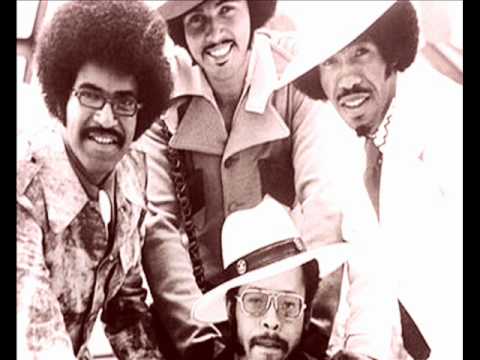
"Oh Girl" — The Chi-Lites' singular moment on the 1970s charts.
02 Song Meaning
The Tender Desperation of "Oh Girl"
This is a song about a man facing the very real possibility of losing the person he loves, and it does not flinch for a moment from how frightening that prospect feels. Where so many love songs project easy confidence, this one is built entirely on vulnerability, on the raw admission that life without this particular woman would leave the narrator lost and completely unmoored. That unguarded honesty is precisely what gives the record its enduring emotional power and its lasting hold on listeners.
Fear of Being Left Behind
The central emotion is dread, the very specific terror of imagining a future in which the beloved is simply gone. The narrator confesses, without hedging, that he would be helpless without her, genuinely unsure how he would even begin to cope with the loneliness. This is not a casual or convenient romance; it is a dependence so deep that the mere thought of separation feels like the solid ground giving way beneath his feet. The song chooses to dwell in that fragile, exposed place rather than retreating into any kind of false bravado.
Strength in Admitting Weakness
There is something quietly radical about a man singing so openly and so plainly about his own helplessness. The lyric flatly refuses the familiar posture of cool male detachment, choosing instead to lay bare a need that most people work hard to hide from the world. That willingness to appear weak, to risk seeming small, is precisely what makes the narrator so deeply sympathetic. He is not performing strength for anyone; he is simply telling the truth about how much another person means to him, and the listener feels every ounce of it land.
Soul as Emotional Confession
The early 1970s were a genuine golden age for soul music that treated human feelings with seriousness and grace. Songs like this one gave men permission to express tenderness and even fear without apology or embarrassment, quietly expanding what popular music could say about love and need. The lush, careful arrangement supports that emotional openness at every turn, wrapping the confession in warmth so that the vulnerability feels held and protected rather than cruelly exposed. It is a near-perfect marriage of message and sound.
Why It Still Moves People
The song endures because its central fear is so completely universal. Anyone who has ever loved deeply knows the long shadow that comes attached to it, the quiet, persistent anxiety of just how much there is to lose. By giving that anxiety such a beautiful and dignified voice, the record transforms private dread into shared catharsis. Listeners return to it again and again not despite its sadness but because of it, finding genuine comfort in hearing their own fragile feelings sung back to them with such grace and care. That is the lasting gift of a truly great soul ballad.
→ More from The Chi-lites
View all The Chi-lites hits →



→ More from the 1970s File
View all 1970s hits →




Keep digging