The 1970s File Feature
Hey Baby
Hey Baby by Ted Nugent Picture a packed arena somewhere in America in 1976, the smell of cheap beer and cigarette smoke hanging thick in the rafters, and a w…
01 The Story
"Hey Baby" by Ted Nugent
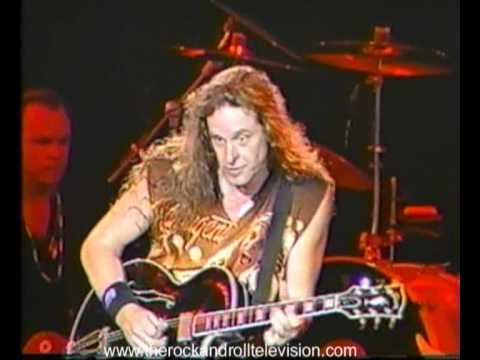
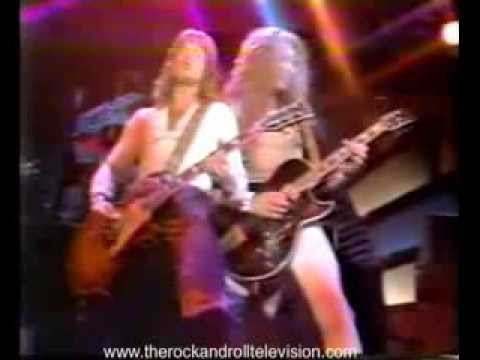
Picture a packed arena somewhere in America in 1976, the smell of cheap beer and cigarette smoke hanging thick in the rafters, and a wild-eyed guitarist tearing into a riff loud enough to rattle teeth. That was the world Ted Nugent built for himself, a hard-rock spectacle of sheer volume and showmanship where the guitar was the star and subtlety was the enemy. Into that storm came a track that, by his own roaring standards, almost qualified as a love song. It carried his trademark snarl, but it also had a swing to it that made it stick on the radio.
The Motor City Madman Goes Solo
Nugent had spent years fronting the Amboy Dukes before stepping out under his own name, and by the mid-1970s he was establishing the persona that would define the rest of his career: the relentless, riff-hungry showman who treated the electric guitar like a contact sport. His self-titled solo record positioned him as a genuine force in American hard rock, a player who valued raw, untamed energy over studio polish and never once apologized for either. This was the era when Nugent became a fixture of FM rock radio and a draw on the touring circuit, a performer whose reputation was built as much on his ferocious live shows as on any single recording.
A Riff With a Pulse
This particular track rides a driving, blues-rooted groove, the kind of swaggering mid-tempo stomp that lets a guitarist show off without ever losing the beat. Nugent's playing snarls and bends across the top while the rhythm section keeps everything grounded and muscular. It is direct and unpretentious, built for radio rock and, above all, for the live stage where Nugent truly came alive. The song trades any pretense of subtlety for sheer momentum, and that single-mindedness was exactly its appeal. There is no second-guessing here, only a band locking into a groove and riding it hard.
A Climb Up the Hot 100
On Billboard the single made a steady, unhurried ascent. It entered the Hot 100 at number 91 on March 27, 1976, then moved up week by week through 87, 83, and 78 before reaching its peak of number 72 on April 24, 1976. Its run lasted five weeks on the chart. Those figures place it among Nugent's more modest pop showings, though for an artist whose real currency was album sales and sold-out tours rather than singles, a chart peak was never the headline. His audience bought the records and packed the venues; the weekly rankings were almost an afterthought to the spectacle he was building night after night.
Part of a Larger Legend
The track sits inside a catalog defined by bigger, louder, more notorious anthems, yet it captures something essential about Nugent's early solo years: the sheer relentlessness of a player who seemed physically incapable of holding back. Fans who came for the spectacle found in songs like this the raw template that his concerts would later amplify to deafening scale. It is a useful window into the moment when Nugent was sharpening the formula that would carry him through the rest of the decade.
Crank It and Hear the Madness
To understand the appeal you really have to turn it up. The recording was never meant for polite living-room volume; it was built to fill a room and overpower it. Press play, push the dial higher than you should, and let the riff do what it was designed to do, which is grab you by the collar and refuse to let go until the last note rings out. It is rock and roll stripped to its essential function, the sound of a guitarist who never needed a reason beyond the joy of playing loud. Few performers ever committed to that idea as fully as Nugent did, and tracks like this one are the proof.
"Hey Baby" — Ted Nugent's singular moment on the 1970s charts.
02 Song Meaning
The Meaning Behind "Hey Baby"
Stripped to its core, this is a song about desire delivered with pure hard-rock bravado. There is no grand philosophy at work here, no hidden allegory waiting to be decoded. The appeal lies entirely in its directness, a come-on set to a snarling riff, the sound of a young performer turning raw attraction into pure forward motion. It means exactly what it sounds like, and that honesty is part of its charm.
Swagger as the Message
The lyric leans on confidence and want, the familiar territory of 1970s rock where bravado was practically a genre requirement. What matters here is not the literal words so much as the attitude behind them, the cocksure energy that powers every line. Nugent sings like a man who fully expects to be heard over a roaring stadium crowd, and the song carries that outsized self-assurance in its bones. The message, such as it is, is delivered with a wink and a wall of sound.
The Body Over the Mind
This is music built for the physical, for movement and volume rather than quiet contemplation. The emotional message is immediate and uncomplicated: the thrill of the chase, the electricity of the moment, the rush of wanting and not being shy about it. By keeping everything simple, the track invites listeners to feel rather than analyze, to respond with their bodies the way an arena crowd surrenders to a great riff. It asks nothing of your intellect and everything of your pulse.
A Reflection of Its Era
The mid-1970s American rock scene prized exactly this kind of unfiltered, take-it-or-leave-it energy. Audiences wanted spectacle and release, and performers answered with songs that played big and loud and left subtlety at the door. The track fits that climate perfectly, a slice of the decade's appetite for rock that asked nothing of you except that you give in to it completely. It is a document of a moment when rock was unapologetic about being fun.
Why It Still Connects
The song endures because its raw, uncomplicated energy never really goes out of style. There is something genuinely liberating about music this unguarded, this willing to be exactly what it is without pretense. You do not need to decode it or find a deeper layer; you only need to let it move you, which is precisely what it was made to do from the first riff to the last. That kind of direct appeal has a long shelf life. Listeners across generations have responded to the simple promise of a great riff and an unguarded come-on, and Nugent delivered both without hesitation or apology. The song asks for nothing but your attention and your volume knob, and in return it gives you a few minutes of uncomplicated rock and roll release that still works exactly as intended.
→ More from Ted Nugent
View all Ted Nugent hits →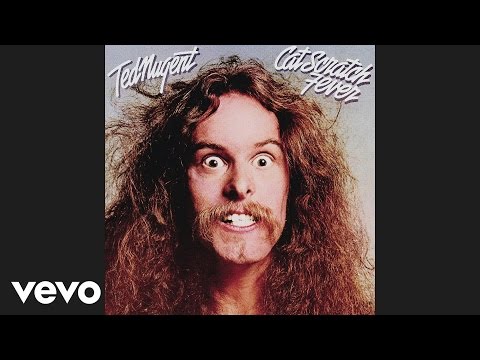
→ More from the 1970s File
View all 1970s hits →




Keep digging