The 1970s File Feature
Remember What I Told You To Forget/My Ship
"Remember What I Told You To Forget / My Ship" — Tavares Five Brothers and a Sound Worth Remembering The mid-1970s were a golden hour for American soul and R…
01 The Story
"Remember What I Told You To Forget / My Ship" — Tavares
Five Brothers and a Sound Worth Remembering
The mid-1970s were a golden hour for American soul and R&B, a period when family vocal groups could still command radio and command hearts. Tavares, five brothers from New Bedford, Massachusetts, had already made their presence known on the soul circuit by the time they stepped into the studio to record what would become a double-sided statement of purpose. The group, consisting of Ralph, Pooch, Chubby, Butch, and Arthur "Tiny" Tavares, had spent years honing a tight, warm harmonic blend that owed something to doo-wop tradition while pointing confidently toward the polished soul that Capitol Records was cultivating in the early part of the decade.
By 1975, Tavares had already scored respectable R&B placements and were recognized as reliable performers of sophisticated soul. Their albums showed range, their live performances built loyalty, and their vocal interplay was among the tightest in the business. The combination release of Remember What I Told You To Forget paired with My Ship arrived as a double A-side, a format that radio programmers were still willing to navigate in an era before playlists became rigidly algorithmic.
The Record Takes Shape
The construction of this double-sided single reflected the group's versatility. Remember What I Told You To Forget leaned into a mid-tempo soul groove, built around the kind of pleading, emotionally direct vocal that had defined the classic Philadelphia and Detroit sounds earlier in the decade. The melody carried a sense of urgency underneath its smooth surface, with the brothers trading and stacking harmonies in the way they did best. It was a recording that understood how to use restraint as a tool, letting the voices carry the weight rather than burying them under production.
The pairing with My Ship gave radio stations and listeners two different angles on the same vocal talent. Tavares had built their reputation on exactly this kind of stylistic range, moving between lush ballads and uptempo material without losing the thread of what made them distinctive. The choice to release both tracks together was a vote of confidence in the group's ability to appeal broadly.
Climbing the Hot 100
The single debuted on the Billboard Hot 100 on April 12, 1975, entering at position 91. What followed was a steady, methodical climb that illustrated how word-of-mouth and radio rotation could build momentum over weeks rather than overnight. By late April the track had moved into the 60s, and through May it continued pushing upward. The peak of number 25 arrived on June 7, 1975, after 11 weeks on the chart, making it one of the group's stronger Hot 100 showings and cementing the single as a genuine crossover achievement.
That chart trajectory, slow out of the gate and then gathering force, was typical of how soul records broke in 1975. Black radio would pick up a track first, generate buzz within specific markets, and then the national pop chart would begin reflecting that momentum. Tavares benefited from this pattern more than once across their career, and this single was a textbook example of grassroots airplay doing its work over time.
The Group in the Broader Soul Landscape
To understand what Tavares represented in 1975, consider the company they kept on the charts. Philadelphia International Records was redefining what orchestrated soul could sound like. Motown was entering a transitional phase. Earth, Wind and Fire were expanding the sonic palette of Black music toward something more cosmic and ambitious. Into this busy conversation, Tavares inserted themselves with a sound that felt genuinely human and warm, less interested in grand statements than in connecting directly.
The group's Capitol Records tenure would eventually yield their biggest moment, the massive 1976 disco hit Heaven Must Be Missing an Angel and the chart-topping More Than a Woman from the Saturday Night Fever soundtrack. But the work they did in 1975 with double-sided releases like this one built the credibility and the audience that made those later breakthroughs possible.
A Legacy Built on Craft
Looking back at Remember What I Told You To Forget / My Ship from a distance of five decades, what stands out is the sheer craftsmanship on display. Tavares never chased trends with desperation; they adapted and evolved while keeping their harmonic identity intact. That discipline is precisely what allowed them to move from 1975 soul to 1977 disco and back again without seeming inconsistent or opportunistic.
The single represents a particular kind of mid-career confidence, a group that knows exactly what it can do and chooses to do it cleanly. The recording quality, the arrangement choices, and the vocal performances all reflect a team that had moved past the experimental phase and was operating at a reliable peak. Put it on and let that five-part harmony fill the room.
"Remember What I Told You To Forget / My Ship" — Tavares's singular moment on the 1970s charts.
02 Song Meaning
The Meaning Behind "Remember What I Told You To Forget / My Ship" by Tavares
A Plea Wrapped in Silk
The emotional core of Remember What I Told You To Forget sits squarely in the tradition of soul music's most enduring theme: the human instinct to hold on. The song's title itself contains a paradox, a request to remember the act of forgetting, and that contradiction captures something truthful about how memory and desire tangle in a relationship that has run into trouble. The narrator is appealing to a partner who may be pulling away, asking that person to set aside the damage done and return to the warmth that once existed between them.
The pleading quality of the vocal performance gives the song its emotional weight. Tavares were masters of the imploring register, voices rising and blending to create a sense of communal longing rather than individual grievance. When five brothers sing together about loss, the result carries a familial intimacy that a solo performance rarely achieves.
The Ship as Metaphor
The pairing with My Ship deepens the thematic picture. A ship is a natural metaphor for journeying, for setting out toward something uncertain, and for the courage required to leave familiar shores. The juxtaposition of the two titles on a single release was not accidental. One song looks backward, asking for forgiveness and recall; the other looks outward, toward open water and possibility. Together they trace the full arc of an emotional experience, from the wound of rupture to the possibility of renewal.
This kind of thematic pairing on a double A-side was more sophisticated than it might first appear. The listener who sits with both tracks absorbs a complete emotional statement, one that acknowledges pain without dwelling in it indefinitely.
Soul Music and the Politics of Vulnerability
In 1975, expressing emotional vulnerability in popular music carried particular cultural significance. Soul music had long provided Black artists and audiences a space to articulate interior emotional lives with full seriousness and dignity. Tavares operated in a tradition that valued emotional directness as a form of artistic strength, not weakness, a lineage traceable through Motown, through Stax, through the Philadelphia sound that was then at its commercial and artistic peak.
The mid-1970s were also a moment when American culture was processing significant anxieties, the aftermath of Vietnam, political disillusionment, economic uncertainty. Soul and R&B records offered listeners a place to feel something real, to locate themselves emotionally when the larger world felt destabilizing. A song about wanting to repair a broken connection resonated beyond its literal subject.
Why the Harmony Matters
What distinguishes the Tavares treatment of this kind of material from countless other pleading soul ballads is the group vocal architecture. When the harmony resolves, it creates a sense of resolution that the lyrics alone could not provide. The ear hears accord even when the words describe discord. That tension between musical harmony and lyrical conflict is one of the defining pleasures of ensemble soul music, and Tavares exploited it with genuine skill.
More than fifty years on, both tracks retain their warmth and their sincerity. They represent a style of emotional expression that popular music has cycled back toward repeatedly, proof that the impulse to make something tender and earnest never fully goes out of fashion.
→ More from Tavares
View all Tavares hits →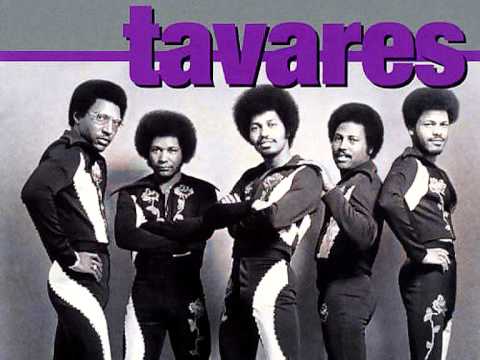



→ More from the 1970s File
View all 1970s hits →




Keep digging