The 1970s File Feature
It Only Takes A Minute
It Only Takes A Minute — Tavares Note: The recording discussed here is the original 1975 version by Tavares on Capitol Records. This is a different recording…
01 The Story
It Only Takes A Minute — Tavares
Note: The recording discussed here is the original 1975 version by Tavares on Capitol Records. This is a different recording from the 1992 cover version by the British pop group Take That, which became a major hit in the United Kingdom. The Tavares original is the source material that established the song as a soul and disco standard.
Tavares were a family group from New Bedford, Massachusetts, comprising five brothers, Ralph, Pooch, Chubby, Butch, and Arthur Tavares, who had spent years developing the close vocal harmonies and stage presence that would eventually bring them to national prominence. Their signing to Capitol Records gave them access to the production resources and promotional infrastructure of a major label, and "It Only Takes a Minute" emerged from that partnership as both their commercial breakthrough and one of the defining recordings of the transitional moment between 1970s soul and the emerging disco sound.
The song was written and produced by Dennis Lambert and Brian Potter, a Los Angeles-based songwriting and production team who had a distinctive feel for the intersection of melodic accessibility and rhythmic drive. Lambert and Potter were responsible for several significant recordings of the early-to-mid 1970s, and their approach to "It Only Takes a Minute" reflected their understanding of how to construct a record that could function simultaneously as a dance floor vehicle and as a piece of melodically memorable pop.
The production of the track placed the Tavares harmonies at the center of a rhythmically propulsive arrangement that drew on both the soul traditions the group had grown up with and the newer, more explicitly dance-oriented production techniques that were beginning to dominate the R&B marketplace. The rhythm guitar work gave the track a propulsive quality that suited both soul radio formats and the emerging discotheque culture, while the vocal arrangement allowed the brothers to showcase the harmonic blend they had spent years perfecting. The interaction between the lead vocal and the backing harmonies was particularly effective, creating a call-and-response dynamic that maintained energy across the full duration of the track.
On the Billboard Hot 100, "It Only Takes a Minute" climbed to number ten in 1975, making it a genuine top-ten pop hit and demonstrating Tavares's crossover appeal beyond the R&B audience they had been building. The record's performance on the R&B chart was even stronger, where it reached the top five and maintained a chart presence over several weeks. The dual-chart success was important for Capitol's promotional strategy, confirming that the group could compete in both the mainstream pop and the R&B specialty markets simultaneously.
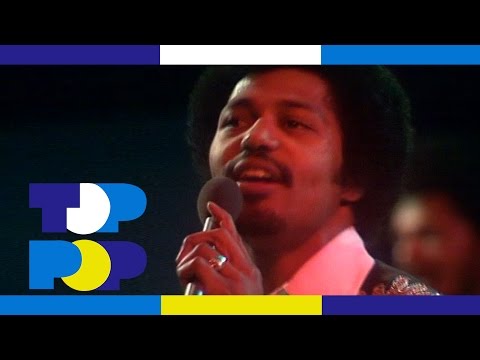
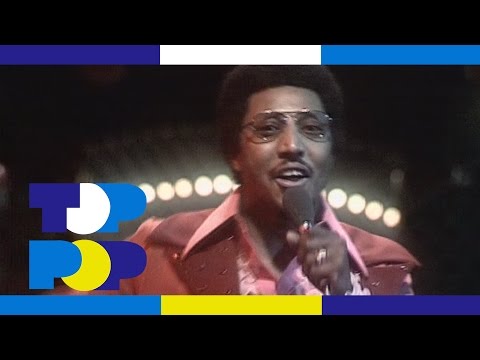
Capitol Records promoted the single aggressively, and the promotional campaign benefited from Tavares's ability to perform the material compellingly in both television and live concert contexts. Their vocal blend, which had been developed through years of live performance before their recording career began, was immediately evident on television appearances, and the group's easy stage chemistry communicated well through the camera. This ability to perform well in multiple contexts gave their commercial releases additional promotional legs that recordings by studio-only acts lacked.
The cultural timing of the record was significant. Nineteen seventy-five was a year in which the musical infrastructure of American popular culture was shifting rapidly. Soul music was evolving toward the more rhythmically mechanical and production-intensive sound that critics would eventually label disco, and records that managed to bridge the gap between the warmth of traditional soul and the new dance-floor orientation were particularly commercially valued. "It Only Takes a Minute" negotiated this transition with skill, sounding contemporary enough for the clubs while retaining the vocal group warmth that had been the signature of R&B music for decades.
Tavares went on to additional commercial success in the latter half of the 1970s, including a notable collaboration with the Bee Gees on the Saturday Night Fever soundtrack, but "It Only Takes a Minute" remained the foundational hit that established their commercial profile. The song's subsequent life as a cover version, most notably the 1992 Take That recording that became a major British hit, introduced the composition to new generations of listeners while inevitably drawing some attention away from the Tavares original among younger audiences unfamiliar with the source material. The Tavares version rewards attention in its own right as a document of a particular moment in American popular music when soul and disco were finding their shared language.
The group's New Bedford origins gave their music a quality of regional character that was somewhat unusual for a Los Angeles-produced pop record. The Tavares brothers brought to the studio the specific kind of vocal discipline that comes from years of family harmony singing, and that background gave their recordings a warmth and coherence that purely manufactured pop acts struggled to replicate. "It Only Takes a Minute" benefited from this quality as much as from Lambert and Potter's professional songcraft, and the combination of the two produced a record that was greater than either element alone could have achieved.
02 Song Meaning
The Speed of Love: Meaning in "It Only Takes A Minute"
Note: The recording discussed here is the Tavares original from 1975, not the Take That cover version of 1992. The emotional and cultural context of the two recordings is quite different, and the meaning of the song was shaped significantly by the specific moment of its original production.
"It Only Takes a Minute" is built on a paradox that sits at the heart of romantic experience: the contrast between the long preparation, the years of living and learning and accumulating experience, and the brevity of the moment when genuine emotional connection occurs. The song argues that all that preparation is necessary and real, but that the actual falling in love happens in an instant, catching even the most experienced heart off guard. This is both a declaration of urgency and a kind of wonder at the efficiency with which emotion can reorganize a life.
The lyrical construction by Dennis Lambert and Brian Potter keeps this paradox light rather than philosophical, using it as a vehicle for romantic excitement rather than existential reflection. The narrator is not troubled by the speed of falling in love; he is delighted by it, and the song's buoyant arrangement reflects and amplifies this delight. The rhythmic drive of the production supports the lyric's emotional energy, propelling the song forward with the same momentum that characterizes sudden emotional transformation.
The Tavares brothers' vocal approach to the material emphasized the communal quality of romantic joy. In a family vocal group, the harmonies suggest a shared emotional experience, and when the lead vocal declares that love happens quickly and completely, the surrounding harmonies confirm the declaration, lending it the authority of collective testimony. This vocal architecture gave the song a feeling of shared celebration rather than individual confession, which suited the dance floor contexts where it found much of its audience in 1975.
The song participated in the broader soul and R&B tradition of treating romantic love as a subject of genuine importance and seriousness, worthy of the full commitment of musical resources. This tradition, which extended back through Motown and the Southern soul of the 1960s into the gospel harmonies of earlier decades, gave even lightweight commercial material a grounding in something larger than mere entertainment. Tavares brought this tradition to their recording of the Lambert-Potter composition, and the combination of professional craftsmanship and genuine vocal artistry elevated the material beyond what a less accomplished group might have made of it.
The song's appeal in the transitional period between soul and disco reflected its successful navigation of both musical worlds. For listeners committed to the warmth and expressiveness of traditional soul, the Tavares harmonies provided familiar emotional territory. For listeners oriented toward the newer dance floor aesthetic, the rhythmic production provided what they were looking for. In combining both appeals, the song reached audiences who might not otherwise have found common ground, which is among the most valuable functions that commercial popular music can serve.
For Tavares's artistic identity, "It Only Takes a Minute" established them as interpreters who could bring genuine conviction to material written by others, transforming professional songcraft into something that sounded personally felt. This is not an automatic accomplishment; it requires both vocal skill and a kind of emotional intelligence about how to inhabit material that was not written from direct personal experience. The brothers' ability to do this consistently gave their catalog a coherence and quality that sustained their commercial relevance through the changing landscapes of the mid-to-late 1970s.
→ More from Tavares
View all Tavares hits →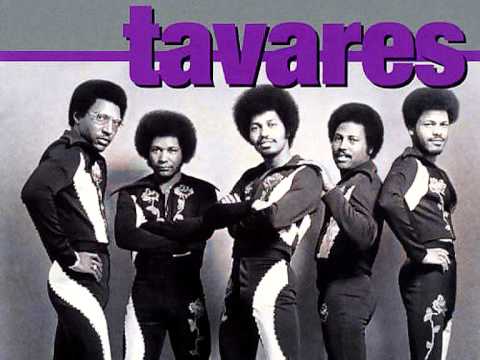


→ More from the 1970s File
View all 1970s hits →




Keep digging