The 1970s File Feature
Check It Out
"Check It Out" — Tavares A Family Band Finding Its Footing The early 1970s were a period of extraordinary ferment in Black American popular music. Motown's c…
01 The Story
"Check It Out" — Tavares
A Family Band Finding Its Footing
The early 1970s were a period of extraordinary ferment in Black American popular music. Motown's commercial dominance was being challenged by the earthier, more rhythmically complex sounds coming from Philadelphia and from independent soul labels, while funk was reshaping what rhythm sections could do and what listeners expected from a groove. Into this landscape came Tavares: five brothers from New Bedford, Massachusetts, who had been performing together since childhood and had developed a group vocal blend of considerable sophistication. "Check It Out" was their debut single, and its arrival on the Hot 100 in the autumn of 1973 announced a band that would spend the rest of the decade producing some of the era's most assured soul and disco recordings.
The single debuted on the Billboard Hot 100 on September 22, 1973, entering at number 84 and climbing steadily over twelve weeks to reach its peak position of number 35 on November 10, 1973. For a debut single from an act with no prior chart history, that performance was genuinely impressive, demonstrating that their audience extended well beyond the regional New England following they had built during their years of local performance.
The Brothers From New Bedford
Ralph, Antone, Feliciano, Arthur, and Perry Tavares had grown up singing together, performing initially under the name Chubby and the Turnpikes before transitioning to the Tavares name as they prepared for their major label debut. Their sound drew on gospel vocal traditions, on the close harmony singing of doo-wop groups from the 1950s and early 1960s, and on the contemporary soul production styles that were defining the early 1970s. The combination gave them a richness and depth that distinguished them from acts whose vocal arrangements were thinner or less carefully considered.
Their signing to Capitol Records opened the door to proper studio production, and "Check It Out" benefited from arrangements that gave their vocal blend the space and support it needed to register fully. The track's energy was a significant part of its appeal: it moved with the physical urgency that characterized the best soul recordings of the period, the kind of music that made physical stillness feel slightly inappropriate.
The Sound of 1973 Soul
Soul music in 1973 was navigating the transition between the classic Motown and Stax sounds of the preceding decade and the approaching era of disco and post-soul production. The rhythmic sensibility was getting more sophisticated, influenced by the funk innovations of James Brown and Sly Stone, while the vocal tradition remained rooted in gospel-derived techniques that emphasized emotional directness and group interplay. Tavares occupied a comfortable position within this transitional moment, skilled enough in the older vocal traditions to bring genuine authority to their harmonies while open enough to the new rhythmic ideas to feel current.
The production on "Check It Out" reflected this balance, offering a track that felt contemporary in its rhythmic energy while anchoring itself in the vocal group tradition that had produced so much great music in the preceding two decades. For audiences in 1973 who had grown up with the Temptations and the Four Tops and were now looking for something that retained the communal energy of group vocal music while incorporating the new sounds, Tavares offered a satisfying answer.
Twelve Weeks of Momentum
The song's twelve-week chart run was a strong performance for a debut single, and the momentum it built was sustained through subsequent releases that kept Tavares in the Hot 100 through the mid-1970s. Their commercial peak would come later in the decade, particularly with their contributions to the soundtrack of Saturday Night Fever, which introduced them to the enormous disco audience of the late 1970s. That later success was grounded in the vocal discipline and commercial instincts that "Check It Out" had first demonstrated on a national scale.
The arc from debut single to Saturday Night Fever soundtrack was not a straight line, but it was a consistent one. Each Tavares release through the mid-1970s built on the foundation established by their debut, refining their sound and expanding their audience while maintaining the group vocal identity that distinguished them from acts who relied more heavily on solo spotlights.
A Legacy of Craft and Community
What Tavares represented in 1973, and what "Check It Out" embodied, was a particular vision of popular music as a communal art: something made by people together, for people together, designed to be heard in groups rather than alone. The group vocal tradition they inherited from gospel and doo-wop carried an implicit social philosophy, a belief that harmony in music reflected and encouraged harmony among people, and their recordings gave that philosophy a physical form you could dance to.
For anyone discovering Tavares through streaming, this debut single offers an excellent entry point: the raw energy of a gifted family band arriving for the first time with something real to say. Press play and feel the New Bedford brothers announce themselves to the world.
"Check It Out" — Tavares's singular moment on the 1970s charts.
02 Song Meaning
"Check It Out" — Themes and Legacy
The Invitation and Its Urgency
A song that opens with something like a command to pay attention is making a specific kind of claim on its listener: something here is worth your notice, stop what you are doing and engage. "Check It Out" operated within that tradition of soul music as collective summons, music designed not for private contemplation but for shared experience. The phrasing of the title itself suggests a social context, one person directing another's attention, the kind of thing you say in a crowd or on a dance floor rather than in a quiet room.
The imperative mood in soul music had a long history by 1973, running through James Brown's commands to his band and audience, through the call-and-response structures inherited from gospel worship, through the Motown hits that had taught an entire generation what group vocal music could do in a pop framework. Tavares understood this tradition from the inside, having grown up with it, and "Check It Out" drew on that understanding to create something that felt natural rather than self-conscious.
Brotherhood as Sound
One of the defining qualities of sibling vocal groups, whether the Jackson 5, the Four Tops in their early years, or Tavares, is a quality of blend that other groups struggle to replicate. Family members who have been singing together since childhood develop an intuitive awareness of each other's vocal tendencies, a capacity to support and complement without the need for conscious coordination. The Tavares brothers brought that quality to their debut recording, and it gave "Check It Out" a warmth and cohesion that more recently assembled groups rarely achieved on first outings.
The social meaning of that brotherly sound extended beyond the family itself. Soul vocal groups of the 1960s and 1970s frequently represented ideals of Black community solidarity and mutual support, and the group sound, precisely because it required genuine collaboration and subordination of individual ego to collective effect, carried that social meaning implicitly. Hearing five brothers make music together in 1973 was hearing an argument about what was possible when people worked together, and that argument had particular resonance in the context of the early 1970s, when many of the solidarity movements of the previous decade were fracturing under various pressures.
Soul Music at the Crossroads
The early 1970s placed soul music at a genuine crossroads between its mid-1960s golden age and the approaching disco era. The communal, gospel-rooted vocal group tradition that "Check It Out" drew on was about to be challenged by production styles that prioritized studio construction over live performance energy, and by commercial pressures that would push many soul acts toward the dance floor and away from the more varied emotional range of classic soul.
Tavares navigated that crossroads with considerable skill over the following years, eventually embracing disco production while retaining the vocal group identity that distinguished them. Their success with the Saturday Night Fever soundtrack in 1977 and 1978 demonstrated that the transition was possible without abandoning what made them distinctive. "Check It Out" sits at the beginning of that journey, before the pressures had fully arrived, when a soul vocal group could simply make a record about the energy of good music and expect an audience to respond.
The Debut as Declaration
First singles function as introductions, and "Check It Out" introduced Tavares on terms they had set themselves: as a vocal group with serious chops, a genuine groove, and no anxiety about claiming their place in a competitive market. The confidence of the performance belied their status as newcomers to the national chart, and that confidence paid off in a twelve-week Hot 100 run that validated the assessment.
The song's legacy within the broader Tavares catalog is as foundation stone: the moment that established their commercial viability and gave them the platform to build the more ambitious work that followed. For anyone tracing the history of 1970s soul vocal groups, it offers a clean, energetic snapshot of a family band arriving ready to play.
→ More from Tavares
View all Tavares hits →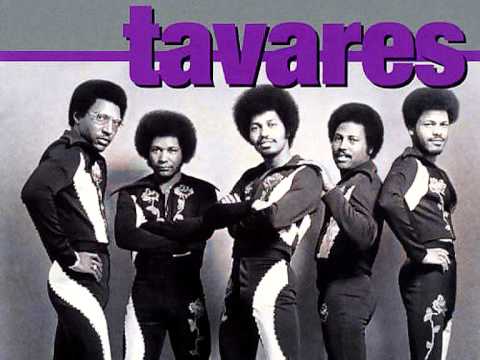




→ More from the 1970s File
View all 1970s hits →




Keep digging