The 1970s File Feature
Smilin'
Smilin' by Sly The Family Stone Step into the spring of 1972, a moment when one of the most revolutionary bands in American music was navigating the long sha…
01 The Story
"Smilin'" by Sly & The Family Stone
Step into the spring of 1972, a moment when one of the most revolutionary bands in American music was navigating the long shadow of its own dark masterpiece. Sly & The Family Stone had stunned the world the previous year with a record that turned their sunshine inside out, and "Smilin'" was one of the singles drawn from that era. It is a deceptively gentle song, warm on its surface yet shaded with the complexity that defined the band's most challenging and influential period.
A Band After the Riot
To understand "Smilin'" you have to remember the album it came from. The song appeared on the landmark 1971 record There's a Riot Goin' On, a murky, groundbreaking work that traded the band's earlier ecstatic optimism for something far more inward and unsettled. After years as the joyful, integrated powerhouse that detonated Woodstock, Sly Stone had turned toward a sound that reflected the disillusionment and turmoil of the era, both in the country and in his own life. "Smilin'" was part of that complicated, deeply influential chapter, a song that wore a soft expression over a knowing heart.
The Sound of the Record
"Smilin'" is a warm, soulful track built on the band's signature groove, gentler in tone than their explosive earlier anthems. The arrangement glides on a relaxed, funky pulse, with the band's rich harmonies and Sly Stone's laid-back vocal giving the song an inviting glow. Yet there is a haziness woven through it, the slightly weary, dreamlike quality that characterized this whole period of the band's work. It is a song that smiles, but the smile carries weight, a complexity that made the band's later music so resonant and so widely studied by the funk and soul artists who came after.
A Respectable Chart Run
The Billboard performance was solid. "Smilin'" debuted on the Hot 100 on April 22, 1972, at number 79, and it climbed steadily over the following weeks. It reached its peak of number 42 on May 27, 1972, landing comfortably in the middle of the chart. In total the single spent seven weeks on the Hot 100, a respectable run that kept the band on the radio even as their commercial momentum had cooled from the towering heights of their late-sixties heyday.
The Genius of the Slow Burn
What makes the music of this period so endlessly studied is its refusal to do the obvious. Where the band's earlier hits reached for immediate euphoria, these later grooves smoldered rather than exploded, finding power in restraint and texture. "Smilin'" embodies that approach, a song that rewards patient listening rather than grabbing you all at once. The deep, hazy funk at its core became a treasure trove for later producers and a model for artists who understood that a groove could be as expressive as any soaring chorus. The track shows a band that had grown more interested in mood and atmosphere than in chasing another anthem.
Part of an Influential Legacy
History has been generous to this era of Sly & The Family Stone. The deep, exploratory funk and soul they crafted in these years became a foundational influence on generations of artists, from funk pioneers to hip-hop producers mining their grooves for samples. "Smilin'" is a gentler entry point into that rich, complex period, a song whose warmth invites you in even as its depths reward closer listening. The track stands as a reminder that this band, even in its troubled and transitional years, was creating music of remarkable depth and influence. What sounded modest on the chart has only grown in stature over time, cherished by listeners and musicians who recognize the artistry buried in its mellow grooves. Press play and let its mellow groove pull you into one of music's most fascinating chapters.
"Smilin'" — Sly & The Family Stone's singular moment on the 1970s charts.
02 Song Meaning
The Meaning Behind "Smilin'"
"Smilin'" is a song about the value of joy and positivity, but one that carries the shadows of the difficult era that produced it. On its surface it celebrates the simple act of smiling, yet it arrives wrapped in the weary, knowing complexity that defined Sly & The Family Stone's work in this period.
The Power of a Smile
The song's central image is the act of smiling itself, presented as something hopeful and restorative. It treats a smile as a small but meaningful gesture of resilience, a way of holding onto positivity in hard times. There is genuine warmth in that message, an encouragement to find light even when the world feels heavy.
Joy With an Undertow
What gives the song its depth is the tension between its hopeful message and the murky atmosphere surrounding it. The optimism feels hard-won rather than naive, colored by the disillusionment of the era and the band's own troubles. The smile in the song is not careless happiness but something more complicated, a choice to keep going despite difficulty.
The Mood of a Troubled Time
The song reflects the turbulent climate of the early 1970s. The communal optimism of the previous decade had given way to uncertainty and unrest, and the band's music captured that shift. A song about smiling carried extra meaning in that context, an act of quiet defiance against a heavier, more anxious moment in American life.
Honesty Beneath the Warmth
Part of what makes the song so affecting is its emotional honesty. It does not pretend that everything is fine, even as it encourages a smile, which gives its positivity a grounded, trustworthy quality. The band had moved away from easy answers by this point, and even a hopeful song carried the weight of what they had been through. That refusal to offer empty cheer is precisely what makes the warmth feel earned. The smile in the song is the kind you choose deliberately, knowing full well how hard things have been, which is a far deeper gesture than simple happiness.
Why It Resonates
The song connects because its message of finding joy amid difficulty is timeless. It resonates because the smile it celebrates is not empty cheer but real resilience, the human capacity to hold onto hope through hard times. That blend of warmth and depth is what makes the song linger, inviting listeners to find their own reasons to smile. In a world that has only grown more uncertain, the song's quiet encouragement to keep going feels as relevant as ever. It does not promise that everything will be fine, only that holding onto a little light is worth the effort, a message of grounded hope that continues to speak to anyone weathering hard times.
→ More from Sly & The Family Stone
View all Sly & The Family Stone hits →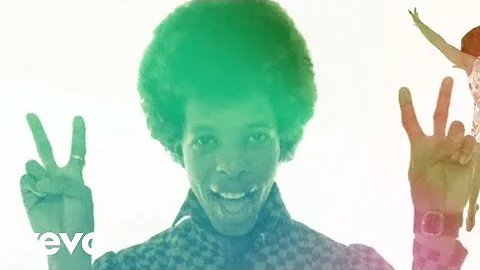




→ More from the 1970s File
View all 1970s hits →




Keep digging