The 1960s File Feature
I Want To Take You Higher
The Story Behind I Want To Take You Higher by Sly The Family Stone Picture the summer of 1969: the counterculture is cresting, the air thick with idealism an…
01 The Story
The Story Behind "I Want To Take You Higher" by Sly & The Family Stone
Picture the summer of 1969: the counterculture is cresting, the air thick with idealism and electricity, and a revolutionary band is about to change what popular music could sound like. Sly & The Family Stone, a racially and gender-integrated group blending soul, funk, rock, and psychedelia, were at the vanguard of that transformation. With this explosive, joyous call-and-response anthem, they delivered a piece of pure musical liftoff, a song that seemed to lift audiences out of their seats and into a shared euphoria.
A Band Unlike Any Other
By 1969, Sly & The Family Stone had established themselves as one of the most innovative and important acts in American music. Led by the visionary Sly Stone, the group broke barriers in both its sound and its makeup, uniting Black and white musicians, men and women, in a celebration of unity and possibility. "I Want To Take You Higher" appeared on their landmark album Stand!, released that year, which became one of the defining records of its era. The song embodied everything the band represented: energy, joy, and a fearless fusion of genres.
The Sound Of Liftoff
The track was a thrilling explosion of funk and soul, built around an irresistible groove and the group's signature call-and-response vocals. It thrived on raw, communal energy, with band members trading exuberant phrases over a driving rhythm and blazing horns. The song was designed to electrify a crowd, building momentum until it felt like the whole room was being carried upward together. It captured the band's revolutionary blend of styles, a sound that would lay the foundation for funk and influence countless artists across the decades to come.
A Modest Chart Run
Despite its enormous cultural impact, the single's initial run on the pop chart was relatively modest. It debuted on the Billboard Hot 100 dated May 24, 1969, at number 89, then climbed over the following weeks. It reached its peak of number 60 on June 21, 1969, and spent seven weeks on the Hot 100. The chart numbers tell only part of the story, however, because the song's true power was felt in live performance, where it became one of the band's most galvanizing and beloved showpieces.
The Birth Of Funk
The deeper significance of this track lies in its role as a foundational document of funk itself. Before the genre had a settled name or shape, Sly Stone was already assembling its essential ingredients: the emphasis on rhythm over melody, the interlocking grooves between bass and drums, the use of the band as a single percussive engine. This song crackles with that innovation, its parts locking together into a propulsive whole that points directly toward the funk explosion of the seventies. Artists who would go on to define the genre drew heavily from what Sly Stone pioneered here, building entire careers on the rhythmic foundations he laid. To listen to this track is to hear a new kind of music coming into being, a sound that would ripple through soul, funk, disco, and hip-hop for generations. Few singles can claim that kind of foundational influence on the entire trajectory of popular music.
A Defining Festival Moment
The song achieved legendary status largely through the band's electrifying live performances, most famously at the Woodstock festival in August 1969. Their set at Woodstock, with this song as a centerpiece, became one of the most celebrated moments of the entire event, capturing the euphoric, unifying spirit the festival came to symbolize. That performance cemented the song's place in music history, transforming a modestly charting single into an enduring anthem of joy and togetherness. It remains one of the great moments in the story of American popular music.
Press play, turn it up, and feel yourself lifted. Few songs have ever delivered such pure, communal exhilaration.
"I Want To Take You Higher" — Sly & The Family Stone's singular moment on the 1960s charts.
02 Song Meaning
The Meaning Of "I Want To Take You Higher" by Sly & The Family Stone
This is a song about transcendence through music, about the power of rhythm and collective energy to lift people out of their ordinary selves and into a shared state of joy. More than a lyric to be analyzed, it is an invitation to feel elevated, a celebration of music as a force that unites and uplifts.
Music As Elevation
The central idea is liberation through sound. The song promises to take the listener higher, using the language of ascent to describe the euphoric feeling that music can produce. That elevation is both physical, in the way the body responds to a powerful groove, and spiritual, in the sense of being lifted beyond everyday concerns. The song treats the act of listening and moving together as a kind of communal transcendence.
The Power Of Togetherness
The call-and-response structure is essential to the meaning. The song is built as a shared experience, with voices answering one another and the audience invited to join in. That structure embodies the band's deeper message of unity, turning a performance into a collective ritual. The high the song describes is not a solitary one but something achieved together, reflecting the group's vision of music as a unifying force across divisions of race and background.
The Spirit Of An Era
The song captured the idealism of its moment. It channeled the late-sixties dream of liberation, connection, and a better, more united world, set to an irresistible beat. In an era marked by upheaval and the hope for change, the song offered a vision of joy and togetherness that felt both escapist and aspirational. It embodied the optimistic, boundary-breaking spirit that the counterculture cherished.
Unity As The Message
The song also carries the band's defining ideal of togetherness. Sly & The Family Stone were themselves a living embodiment of unity, a group integrated across race and gender at a moment when such integration was still rare and meaningful. That makeup was inseparable from their music, and a song about rising higher together took on added weight coming from a band that practiced what it preached. The invitation to ascend was not just personal but collective and inclusive, extending to everyone regardless of background. In an era riven by division, the band offered a vision of joyful unity, and this song channeled that vision into pure, irresistible sound. The high it promised was one to be reached side by side.
Why It Resonated
The song connected because it delivered an experience more than a message. The desire to feel lifted, free, and joyfully connected to others is universal, and the song provided exactly that sensation through its electrifying sound. Its communal energy and exuberant spirit gave audiences a taste of transcendence, a feeling of being carried upward together that has kept it thrilling listeners and crowds for more than half a century.
→ More from Sly & The Family Stone
View all Sly & The Family Stone hits →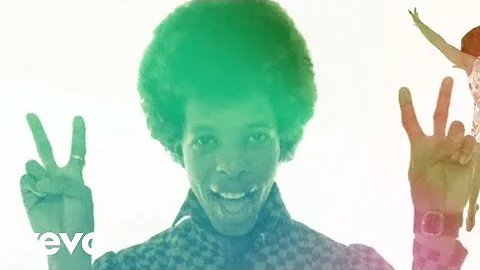



→ More from the 1960s File
View all 1960s hits →




Keep digging