The 1960s File Feature
Hot Fun In The Summertime
"Hot Fun In The Summertime" — Sly and the Family Stone's Sun-Drenched Classic The Summer After Woodstock Imagine August 1969: the dust from Woodstock had bar…
01 The Story
"Hot Fun In The Summertime" — Sly and the Family Stone's Sun-Drenched Classic
The Summer After Woodstock
Imagine August 1969: the dust from Woodstock had barely settled, the television news was still sorting through the images of a generation in the mud and rain of Max Yasgur's farm, and somewhere in the middle of all that cultural noise, Sly and the Family Stone released a single that felt like sunlight itself. "Hot Fun In The Summertime" arrived at a peculiar hinge point in the band's story, and in American history. The summer of 1969 was simultaneously euphoric and deeply troubled, and the song somehow acknowledged both without being weighed down by either. Sly Stone had a genius for that kind of tonal balance, the ability to craft music that felt joyful without being naive.
Sly Stone and the Family Stone at Their Zenith
By the summer of 1969, Sly and the Family Stone had already proven themselves one of the most audacious and forward-thinking groups in American popular music. Their 1968 album Stand! had been a critical and commercial landmark, integrating rock, soul, funk, and psychedelia in ways that no act had quite managed before. The band was the most racially and gender-integrated act in popular music, featuring Black and white members, men and women, all performing as genuine equals on stage and in the studio. Their Woodstock performance in August 1969 became one of the most celebrated sets of the entire festival. Against that backdrop, "Hot Fun In The Summertime" arrived as a perfect counterpoint, a gentle breeze after the intensity of Stand!
The Recording and Its Distinctive Sound
"Hot Fun In The Summertime" was written and produced by Sly Stone, and its arrangement is a model of deliberate restraint. Where much of the Family Stone's work was dense with layered horns, guitars, and percussion, this single pulled back into something more spacious and airy. The production has a quality of distance to it, as if it were being heard from across a park on a warm day, sound drifting in and out of clarity. That sonic haze was not accidental; it perfectly mirrored the song's subject matter, lazy afternoons and the bittersweet knowledge that summer always ends. The lead vocal, performed by Sly, carries an ease that sounds effortless while requiring considerable skill to maintain.
The Chart Journey
The single entered the Billboard Hot 100 on August 9, 1969, at position 79. It climbed with steady determination over the following weeks, eventually reaching its peak of number 2 on October 18, 1969. The sixteen weeks it spent on the chart reflect the breadth of its appeal across demographic lines. It crossed between pop, soul, and rock radio formats with equal ease, which was itself a reflection of the Family Stone's fundamental project: the dissolution of the artificial boundaries that separated American music by race and genre. Whatever number one was holding it out of the top spot must have been formidable, because this single had every quality needed to go all the way.
A Song That Outlasted the Season
The irony of "Hot Fun In The Summertime" is that a song so specifically tied to a season has proven to be timeless. It became a perennial radio staple, returning every summer like a welcome houseguest, and its nearly 4.4 million YouTube views speak to continued discovery across generations. The song has been sampled, covered, and repurposed countless times, with artists across every genre recognizing its melodic and emotional core as raw material worth building on. It preserved in amber a particular feeling, the giddy lightness of summer when you are young and the world seems temporarily simple. Press play and let it do what it has always done.
"Hot Fun In The Summertime" — Sly and the Family Stone's singular moment on the 1960s charts.
02 Song Meaning
"Hot Fun In The Summertime" — Joy, Nostalgia, and the Politics of Pleasure
Summer as a State of Mind
There is a particular quality of feeling that "Hot Fun In The Summertime" captures, something that exists at the intersection of present pleasure and anticipated loss. The song knows, even as it celebrates summer's freedoms, that summer is temporary. This bittersweet awareness gives the lyric an emotional depth that a purely celebratory treatment would lack. Sly Stone understood that the most powerful songs about pleasure carry within them the shadow of that pleasure's ending, and his writing here operates precisely in that space. The result is something richer than a simple summer anthem; it is a meditation on the way joy and impermanence are inseparable.
The Politics of Integration and Unity
In 1969, the decision to make music that felt this uncomplicated and joyful was itself a political act. Sly and the Family Stone's integrated lineup was a direct challenge to the racial segregation that still characterized much of American life, and the music they made together refused to acknowledge the boundaries that society tried to enforce. A song about shared summer pleasures, sung by a mixed-race band at the end of a decade defined by civil unrest, proposed a version of American life in which people simply enjoyed being alive together. The optimism in the recording was not ignorant; it was deliberate, a choice to insist on the possibility of a world the audience was still working to create.
The Sound as Meaning
The sonic choices in the production carry thematic weight. The airy, spacious arrangement creates a sense of openness that matches the lyrical content perfectly. Empty space in the mix functions like the wide sky of summer, room to breathe, room to exist without pressure. This was notably different from much contemporary soul and funk production, which tended toward density and compression. The restraint said something: that summer's pleasures are not about accumulation but about release, letting go of winter's obligations and inhabiting the moment fully. The production philosophy and the lyric's emotional philosophy were perfectly aligned.
Why It Connected Across Audiences
The song's reach across racial, generational, and genre lines reflected something fundamental about its subject matter. Summer is not the property of any demographic group. The pleasures the song describes, outdoor warmth, freedom from routine, young love, and leisure, are recognizable across every kind of American life. By locating its celebration in universally accessible experience, the song accomplished something that more politically explicit material from the same era could not: it made integration feel natural rather than programmatic. The song's audience included people who might have been uncomfortable with more overtly political material from the same band, and it brought them into the Family Stone's world through the side door of shared human pleasure.
Endurance and Cultural Legacy
The song has been sampled and covered extensively since its original release, with hip-hop producers in particular finding its melodic and rhythmic core highly adaptable to new contexts. Each sample or interpolation carried the original's emotional freight into a new generation's music, extending the song's reach in ways its creators could not have anticipated. Nearly 4.4 million YouTube views confirm that it continues to find new listeners who feel exactly what Sly Stone intended them to feel: that some moments of happiness are worth capturing and worth returning to, no matter what year you happen to be living in.
→ More from Sly & The Family Stone
View all Sly & The Family Stone hits →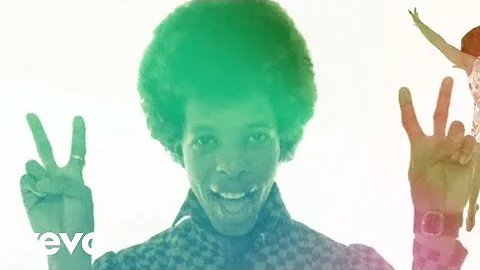




→ More from the 1960s File
View all 1960s hits →




Keep digging