The 1970s File Feature
Every Face Tells A Story
The Quiet Confidence of Every Face Tells A Story by Olivia Newton-John Picture the closing weeks of 1976, a moment when soft rock and country-pop were braidi…
01 The Story
The Quiet Confidence of "Every Face Tells A Story" by Olivia Newton-John
Picture the closing weeks of 1976, a moment when soft rock and country-pop were braiding themselves together on American radio, and a clear, unhurried soprano could still stop you in your tracks between the disco singles. Into that landscape stepped Olivia Newton-John, already one of the most reliable hitmakers of the decade, with a song whose title sounded like a paperback novel and whose melody moved with the patience of someone who had nothing left to prove. The record never roared up the charts. It climbed steadily, the way a good ballad does, gathering listeners one quiet living room at a time.
Where Olivia Stood in 1976
By the time this single arrived, Olivia Newton-John had spent the first half of the 1970s building a remarkable run of crossover success. She had won Grammys, topped both the pop and country charts, and become a fixture on American television variety shows despite being raised in Australia and born in England. Her image was wholesome, her voice unmistakably warm, and her phrasing free of the showy melisma that other singers leaned on. She was, in many ways, the antidote to excess in an era that was learning to love excess. This single served as the title track of her 1976 album Every Face Tells A Story, a record that found her continuing to shade her clean pop sound with gentle country and adult-contemporary tones.
The Sound of the Song
The arrangement here is unhurried and tasteful, the kind of production that prizes space over spectacle. Acoustic guitars and soft keyboards lay down a cushion, strings rise without ever turning syrupy, and Olivia's vocal sits right at the front, conversational and clear. There is no wasted motion in the performance. She lets the melody breathe, leaning into the long notes and pulling back when the lyric turns reflective. It is a song built for headphones and late evenings rather than dance floors, and it wears its restraint as a kind of quiet confidence. The result is a track that rewards attention rather than demanding it, a small jewel of mid-1970s adult pop craftsmanship.
A Steady Climb Up the Hot 100
The chart story matches the song's temperament. The single debuted on the Billboard Hot 100 on November 6, 1976, entering at number 76. From there it moved up patiently week after week, reaching number 66, then 62, then 56, the kind of measured ascent that signals genuine radio support rather than a one-week novelty burst. It reached its peak of number 55 during the week of December 18, 1976, and spent a total of nine weeks on the Hot 100. For many artists a number 55 placement would be a career highlight; for Olivia Newton-John it was a modest entry in a catalog stacked with far bigger hits, which says everything about the altitude she was operating at during these years.
Its Place in a Towering Catalog
It would be easy to overlook a song like this when the same artist was about to detonate the pop culture landscape with Grease just two years later. Yet these deeper cuts and modest chart entries are exactly what made Olivia Newton-John's catalog so durable. They show an artist comfortable releasing material that suited her instincts rather than chasing trends, trusting that her audience would follow her into quieter rooms. The song stands as a reminder that her appeal rested on consistency and warmth, not on any single blockbuster. Heard today, it carries the unmistakable glow of an artist at the height of her powers, choosing grace over flash.
So cue it up and let it unspool slowly, the way it was meant to be heard, and you will understand why her voice defined a certain kind of comfort for an entire generation.
"Every Face Tells A Story" — Olivia Newton-John's singular moment on the 1970s charts.
02 Song Meaning
What "Every Face Tells A Story" Is Really About
There is a gentle wisdom running through this song, the sort of observation that feels obvious once someone sings it to you. The title itself does most of the thematic work, suggesting that every person you pass carries a hidden history written into their expression. It is a song about empathy, about reading the unspoken, and about the way human connection happens in glances long before it happens in words. Olivia Newton-John delivers it without melodrama, which is precisely what makes the sentiment land so cleanly with the listener.
The Central Theme of Hidden Lives
At its heart the lyric leans on a simple, humane idea: that the surface we present to the world is only ever a partial truth. The song asks the listener to look closer at the people around them, to recognize that joy and sorrow leave their marks on a face, and that nobody is quite as simple as a passing glance suggests. It is an invitation to pay attention, a quiet plea for tenderness in everyday encounters. That theme of looking beneath the surface gives the record an emotional depth that its easygoing melody might otherwise disguise. The idea grows more affecting the longer you sit with it.
An Emotional Message of Compassion
The feeling the song chases is recognition rather than romance. Where many ballads of the era reached for grand declarations of love, this one settles into something subtler and arguably more grown-up. It treats compassion as the emotional center, the understanding that everyone is fighting some battle you cannot see. Olivia's restrained delivery reinforces that message, refusing to oversell the sentiment and instead letting it sit gently with the listener. The performance trusts you to feel the weight of the idea on your own, which is a rarer and braver choice than it first appears.
The Cultural Moment of 1976
By the mid-1970s, American popular music was beginning to make room for introspection alongside the glitter of disco. Adult-contemporary radio had become a powerful tastemaker, rewarding songs that valued melody, warmth, and lyrical sincerity. A track built around quiet empathy fit naturally into that climate, offering a moment of calm reflection amid the decade's louder pleasures. The song speaks in the gentle, confessional register that defined so much of the era's softer pop, the kind of music families played while the dishes were drying.
Why It Still Resonates
The reason a song like this endures has little to do with chart position and everything to do with its central truth. The idea that every face conceals a story never goes out of date, because the human urge to be truly seen is permanent. Listeners returning to it now find the same quiet comfort it offered in 1976, a reminder to be a little gentler with the strangers around them. It is a small song with a large heart, and that combination is exactly why it lingers in memory long after flashier hits have faded.
→ More from Olivia Newton-John
View all Olivia Newton-John hits →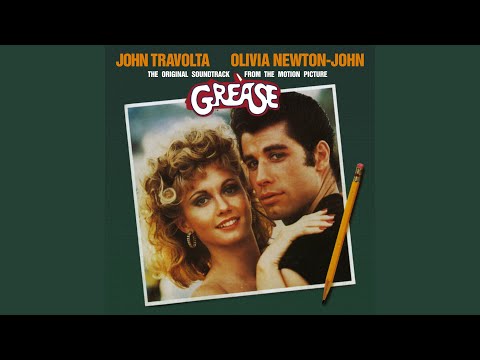



→ More from the 1970s File
View all 1970s hits →




Keep digging