The 1970s File Feature
A Little More Love
A Little More Love by Olivia Newton-John It is the tail end of 1978, and Olivia Newton-John is the most famous woman in popular music. The previous summer sh…
01 The Story
"A Little More Love" by Olivia Newton-John
It is the tail end of 1978, and Olivia Newton-John is the most famous woman in popular music. The previous summer she had slid into a pair of black leather pants, lit a cigarette, and transformed herself in the final reel of Grease from sweet Sandy into something altogether more electric. The whole world had watched. The question hanging over her career was a simple and dangerous one: what does an artist do after a cultural moment that enormous? Her answer arrived as a glossy, propulsive pop single that proved the reinvention was no fluke.
Life After Sandra Dee
For most of the 1970s, Newton-John had been the reigning queen of soft, country-tinged pop, a string of gentle ballads carrying her to the top of the charts and into living rooms across the world. Songs of tender longing had made her a star, but they had also boxed her into an image of wholesome sweetness. Grease blew that box wide open. The film's runaway success, and that climactic makeover, gave audiences permission to see her as a pop star with edge and energy. The challenge now was to follow the soundtrack's blockbuster singles with material that belonged on her own albums, and she rose to it.
A Bolder, Brighter Sound
This single served as the lead track from her album Totally Hot, and the title was a statement of intent. The song was written and produced by John Farrar, the longtime collaborator who had shaped so much of her best work, including the Grease hits. Gone was the hushed acoustic intimacy of her early records. In its place came a driving rhythm, a soaring chorus, and a vocal performance with real grit and urgency. The production crackles with late-1970s energy, sitting somewhere between rock and the dawning glow of disco-era pop. It announced an artist who was no longer content to be soothing. She wanted to be exciting.
A Long Climb to the Top Three
The single proved a commercial triumph that stretched across two calendar years. It debuted on the Billboard Hot 100 at number 68 on November 25, 1978, and from there it mounted a patient, powerful climb. Week after week it gained ground, refusing to stall, building its audience as winter set in. The song reached its peak position of number 3 on February 17, 1979, and in total it spent an impressive 20 weeks on the Hot 100. That kind of longevity speaks to a record that radio and listeners simply would not let go. Coming so soon after the Grease phenomenon, a top three hit confirmed that Newton-John's stardom was built to last well beyond a single film.
A Hinge in a Remarkable Career
This track now reads as a crucial bridge in her story. It connected the soft-pop balladeer of the early decade to the leather-clad, chart-conquering pop force she would fully become at the start of the 1980s, when she scored some of the biggest hits of her life. Without this single proving she could carry an uptempo, contemporary sound, that later peak might never have happened. The video has drawn around 9 million YouTube views, keeping the song alive for listeners who know her largely through her most famous roles. It remains one of the brightest, most underrated jewels in a catalog full of them.
A Foundation for the Decade Ahead
It is worth pausing on just how strategically important this single proved to be. Coming on the heels of a film that had made her one of the most recognizable performers alive, Newton-John needed to demonstrate that her appeal extended beyond a movie role and a blockbuster soundtrack. A gentle ballad might have confirmed the old image; a contemporary, uptempo hit announced an artist in transition. The success of this record gave her the confidence and the commercial credibility to keep pushing in that direction. Within a couple of years she would top the charts with some of the most energetic, physically charged pop of her entire career, and the groundwork for that transformation was laid here. The single functioned as proof of concept, showing that audiences would follow her wherever she chose to go.
Press Play
Let that insistent rhythm pull you in and hear the moment when one of pop's most beloved voices decided to chase a bigger, bolder sound. It is irresistible, confident, and quietly one of her finest singles.
"A Little More Love" — Olivia Newton-John's singular moment on the 1970s charts.
02 Song Meaning
The Meaning Behind "A Little More Love"
Beneath its bright, energetic surface, this song carries a surprisingly bruised emotional core. It is a track about insecurity in love, about the gap between how much you give and how certain you feel of being loved in return. The upbeat arrangement almost disguises that vulnerability, which is part of what makes the song so quietly affecting once you listen closely to what the narrator is actually saying.
The Fear Beneath the Devotion
At its heart, the lyric explores a nagging worry: that loving someone deeply might not be enough to hold them. The narrator wonders whether her partner could ever leave, and that uncertainty gnaws at her even as she throws herself into the relationship. The song captures the anxious arithmetic of devotion, the way a person in love can give everything and still lie awake fearing it will not be returned in equal measure. It is a strikingly honest portrait of romantic insecurity wrapped in a danceable package.
Wanting More Than You Have
The title itself contains the song's central tension. The plea for "a little more love" expresses a hunger that the present relationship has not fully satisfied. There is gratitude here, but also a restless longing for greater reassurance, for proof that the feeling runs as deep on the other side. That craving is universal and timeless. Anyone who has loved while doubting whether they are loved enough will recognize the emotional territory the song stakes out so plainly.
Strength and Fragility Together
What elevates the track is the way Newton-John's performance balances those two impulses. Her vocal delivers both confidence and fragility, a woman strong enough to name her fears out loud yet vulnerable enough to be shaken by them. The driving production pushes against the lyric's anxiety, creating a tension between sound and sentiment that gives the song its emotional charge. The music insists on hope even as the words confess doubt.
Why It Connected
Released at a moment when Newton-John was reinventing her public image, the song resonated because it felt real. Listeners responded to its blend of pop accessibility and genuine emotional stakes, finding in it something more substantial than a simple love song. It arrived as audiences were ready to see her as a fuller, more complex artist, and the lyric rewarded that attention. The combination of an irresistible hook and an honestly stated insecurity gave the record staying power.
In the end, the song works because it tells a truth most of us would rather not admit: that even in love, we sometimes ache for just a little more reassurance than we are given. That honesty, set to such a buoyant melody, is its quiet genius.
→ More from Olivia Newton-John
View all Olivia Newton-John hits →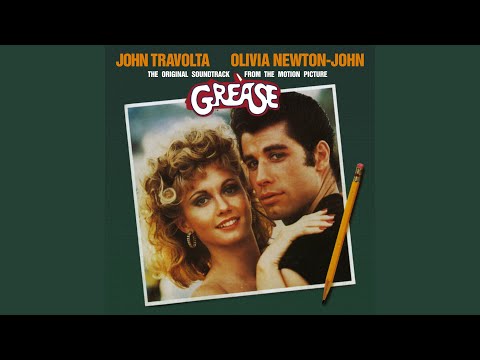


→ More from the 1970s File
View all 1970s hits →




Keep digging