The 1970s File Feature
As Time Goes By
As Time Goes By by Nilsson Picture the early 1970s, when one of the most gifted and unpredictable voices in popular music decided to step away from rock and …
01 The Story
"As Time Goes By" by Nilsson
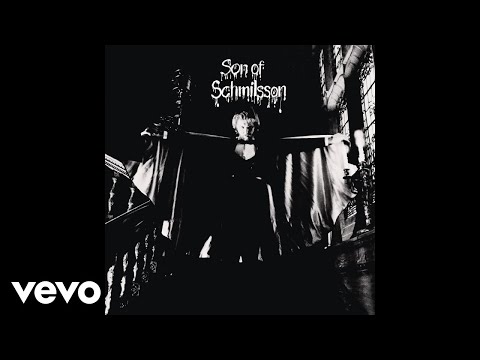
Picture the early 1970s, when one of the most gifted and unpredictable voices in popular music decided to step away from rock and roll entirely and reach back to a golden age of song. Harry Nilsson, known simply as Nilsson, was a singer and songwriter of extraordinary range, a man capable of writing irreverent novelty tunes one moment and heart-stopping ballads the next. By 1973, he was a celebrated and slightly notorious figure, and he turned his attention to a piece of music history that nearly everyone already knew by heart.
A Singular Talent at a Crossroads
Nilsson had built one of the most fascinating catalogs in popular music, marked by a soaring voice, sophisticated songwriting, and a refusal to be pinned down to any single style. He had scored major hits and earned the admiration of the biggest names in the business, including The Beatles, who counted him among their favorite artists. By the early 1970s he was experimenting freely, and one of his ventures was an album devoted to the great standards of an earlier era. It was a bold move for a contemporary star, a deliberate turn away from the rock of the day toward the timeless songcraft of the past.
A Classic Reborn
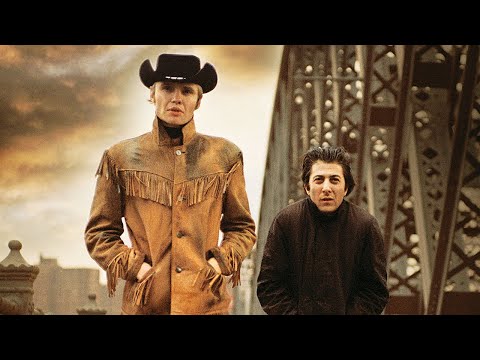
"As Time Goes By" was already one of the most beloved songs in the American canon, immortalized decades earlier by its appearance in a legendary Hollywood film. Nilsson's decision to record it was an act of reverence, a chance to wrap his remarkable voice around a melody steeped in nostalgia and romance. His version, drawn from his album of standards, brought his warm, expressive delivery to the timeless tune, treating it with the care and affection that such a classic deserved. That respect for the great songbook was central to the project's appeal.
A Modest Chart Showing
For all the song's pedigree and Nilsson's stature, the recording made only a faint impression on the Billboard Hot 100. It debuted at number 96 on September 1, 1973 and bounced around the lower reaches of the chart, climbing to number 87 before reaching its peak of number 86 on September 22, 1973. The song spent just five weeks on the chart in total. A song of standards from an earlier age was always going to be a tough sell on a pop chart dominated by contemporary sounds, and the modest run reflected that challenge rather than any shortcoming in the performance.
Standards in the Age of Rock
The early 1970s were an unlikely time for an album of old standards. The pop charts were dominated by singer-songwriters, glam rock, soul, and the first stirrings of disco, and the great songs of the 1930s and 1940s had largely receded into the realm of nostalgia and easy listening. For a contemporary star to devote an entire record to that older repertoire was a genuine artistic gamble, a statement that these songs deserved to be heard anew by a younger generation. Nilsson approached the material with sincerity rather than irony, treating the standards as living music rather than museum pieces. That conviction set his project apart from mere novelty, and it reflected a broader truth about his career, namely that he followed his own instincts wherever they led, commercial considerations be damned.
A Heartfelt Detour in a Storied Career
Within Nilsson's rich and varied body of work, his album of standards stands as a fascinating detour, a chance to hear one of pop's great voices honoring the songs that shaped him. "As Time Goes By" is a centerpiece of that effort, a loving tribute to a piece of musical history. Nilsson's enduring reputation rests on a deep and diverse catalog, and this gentle, nostalgic recording adds another color to it. For admirers of his voice and the great American standards, it remains a touching and quietly affecting listen.
Press play and let that timeless melody and Nilsson's warm voice carry you somewhere romantic and far away. Some songs never lose their power, no matter how much time goes by.
"As Time Goes By" — Nilsson's singular moment on the 1970s charts.
02 Song Meaning
The Meaning Behind "As Time Goes By"
"As Time Goes By" is one of the great meditations on love and constancy in all of popular song, a gentle reminder that no matter how the world changes, the fundamental truths of the human heart remain the same. Written long before Nilsson recorded it, the song has endured because its message is timeless, an affirmation that love outlasts everything else.
The Permanence of Love
At the heart of the song is a comforting assurance that the basic things of love endure through every change and upheaval. The world may transform around us, but a kiss is still a kiss and a sigh is still a sigh. That faith in the constancy of human feeling is the emotional core of the song, offering reassurance that what truly matters cannot be swept away by the passage of time.
Nostalgia and Memory
The song is steeped in a wistful sense of looking back, of cherishing what has been and trusting it to last. There is a tenderness in its acknowledgment that time moves on, paired with a quiet insistence that love provides an anchor against that current. That blend of nostalgia and reassurance gives the song its bittersweet, deeply moving quality.
Why Nilsson's Version Resonates
In Nilsson's hands, the song's nostalgia takes on an added layer. A contemporary star reaching back to honor a classic embodies the very theme of the song, the idea that great things endure across the years. His tender, respectful interpretation lets the timeless melody breathe, reminding listeners why the song has been cherished for so long across so many generations.
A Song About Time Itself
Beyond its romance, the song is a meditation on time and what survives its passage. It acknowledges that the world is in constant flux, that nothing stays the same, and yet it locates a few fixed points of human experience that remain untouched. That philosophical undercurrent gives the song a depth beyond ordinary love ballads. It is concerned not only with two people but with the larger question of what endures in a changing world, and it answers with quiet confidence that affection, longing, and the fundamental gestures of love persist no matter how the years accumulate. That reassurance speaks to a universal anxiety about change and loss.
Why It Endures
The song has lasted because its message is both simple and profound. Everyone fears the passage of time and longs for something that will not fade, and this song offers exactly that consolation. Its quiet promise that love remains constant through every change has comforted listeners for generations. Whether heard in its original cinematic context or in a tender later interpretation like Nilsson's, it speaks to the deepest human hope that some things truly last forever.
→ More from Nilsson
View all Nilsson hits →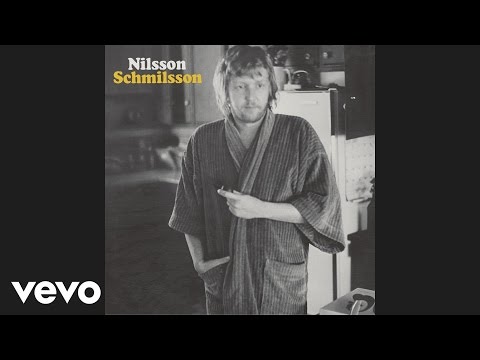
→ More from the 1970s File
View all 1970s hits →




Keep digging