The 1970s File Feature
Que Sera, Sera (Whatever Will Be, Will Be)
Que Sera, Sera (Whatever Will Be, Will Be) by Mary Hopkin: A Folk Voice Reimagines a Classic Step into 1970, a moment when the gentle folk-pop of the late 19…
01 The Story
"Que Sera, Sera (Whatever Will Be, Will Be)" by Mary Hopkin: A Folk Voice Reimagines a Classic
Step into 1970, a moment when the gentle folk-pop of the late 1960s was still cherished even as harder sounds gathered force. Mary Hopkin, the Welsh singer whose pure, clear voice had charmed audiences after her discovery and signing to the Beatles' label, offered her interpretation of a beloved standard. "Que Sera, Sera" in her hands became a gentle, folk-flavored reading of a song already woven into the fabric of popular culture, delivered with her characteristic sweetness.
A Beatles-Label Discovery
Mary Hopkin came to fame through a remarkable stroke of fortune. She was signed to Apple Records, the label founded by the Beatles, and scored a massive international hit with "Those Were the Days", a wistful ballad that became one of the defining songs of the era. Her pure, folk-tinged voice and gentle presence made her a beloved figure, and her association with the Beatles' label gave her career an extraordinary launch. By 1970 she was an established star, known for her sweet, clear vocals and her interpretations of melodic, emotionally resonant material.
A Gentle Take on a Standard
The song Hopkin chose to record was already a beloved classic. "Que Sera, Sera" had been a famous hit for Doris Day in the 1950s, introduced in a Hitchcock film and embraced as a comforting standard about accepting life's uncertainties. Hopkin's version gives the familiar song a gentle, folk-flavored treatment, her sweet voice lending it a fresh tenderness. The arrangement is soft and unhurried, allowing her clear vocals to carry the song's reassuring message. It was a graceful interpretation, honoring the original while bringing her own delicate sensibility to the well-loved tune.
A Modest American Chart Showing
The single made only a small impression on the American charts. "Que Sera, Sera" debuted on the Billboard Hot 100 at number 98 on July 11, 1970, and climbed gradually over the following weeks. It reached its peak of number 77 on August 1, 1970, and remained on the chart for 5 weeks. The modest American showing belied Hopkin's greater popularity elsewhere, particularly in Britain. The brief stateside run reflected the competitive nature of the early-1970s charts more than any shortcoming in the recording, which possessed all of Hopkin's characteristic charm.
A Sweet Chapter in a Charming Career
In the larger story of Mary Hopkin's career, this recording stands as a lovely example of her gentle, folk-influenced style. She remained best known for her early Apple Records hits, but her catalog as a whole reflects her pure voice and her gift for tender interpretation. Her version of "Que Sera, Sera" captures that delicate sweetness, a graceful reading of a comforting classic. For admirers of gentle folk-pop and Hopkin's distinctive voice, it remains a warm and appealing recording from a beloved artist.
The Apple Records Connection
Mary Hopkin's association with Apple Records gave her career a unique place in pop history. To be signed to the label founded by the Beatles, at the very height of their fame, was an extraordinary launching point for any young artist. Paul McCartney took a personal interest in her early career, and that connection brought her enormous attention and opportunity. Yet Hopkin's success rested ultimately on her own gifts, that pure, clear voice and her instinct for tender, melodic material. The Apple connection opened the door, but her talent is what carried her through it. Her recordings from this period reflect both the prestige of her label and the genuine sweetness of her artistry, a combination that made her one of the more distinctive voices of her moment, beloved for the gentle warmth she brought to everything she sang.
Press play and let the gentle, sweet voice of Mary Hopkin on "Que Sera, Sera" wrap you in its comforting reassurance.
"Que Sera, Sera (Whatever Will Be, Will Be)" — Mary Hopkin's singular moment on the 1970s charts.
02 Song Meaning
The Meaning of "Que Sera, Sera": Finding Peace in Life's Uncertainty
The Spanish-flavored phrase at the heart of this song carries a philosophy of acceptance: whatever will be, will be. "Que Sera, Sera" is about embracing the uncertainty of the future, finding peace in the recognition that we cannot control what lies ahead. Mary Hopkin's gentle interpretation brings a tender warmth to that reassuring, philosophical message.
The Central Theme of Graceful Acceptance
At its heart, the song is about accepting that the future is unknowable. The lyric counsels a serene acceptance of whatever life may bring, releasing the need to control or predict the future. There is wisdom and comfort in that message, the recognition that anxiety about what lies ahead is often futile. The song offers a gentle philosophy of letting go, of trusting that life will unfold as it will. It is a reassuring meditation on acceptance, encouraging the listener to find peace amid uncertainty.
Comfort Across the Generations
The song is structured as wisdom passed down through life's stages. The original presented the question being asked at different ages, from childhood to parenthood, each time meeting the same reassuring answer. That structure gives the song a timeless, universal quality, suggesting that the uncertainty of the future is a constant companion throughout life. Hopkin's tender delivery enhances that sense of gentle, generational wisdom, making the reassurance feel both intimate and enduring.
A Reflection of Folk-Pop's Gentle Spirit
Hopkin's version belongs to the warm, comforting tradition of gentle folk-pop. The style favored sweetness, sincerity, and emotional reassurance, offering listeners music that soothed and uplifted. In a turbulent era, a song counseling peaceful acceptance of life's uncertainties offered genuine comfort. Hopkin's pure, folk-tinged voice was perfectly suited to deliver that reassurance, bringing a fresh tenderness to a message that audiences had long found consoling.
Why It Still Comforts
The song endures because its wisdom is timeless and universally needed. Everyone faces an uncertain future, and the counsel to accept what we cannot control offers genuine peace. Hopkin gave that comforting philosophy a sweet, gentle voice, allowing listeners to feel its reassurance. In an anxious world, the message that we need not carry the impossible burden of controlling tomorrow offers a real and lasting relief. There is wisdom in learning to release what lies beyond our grasp, and the song delivers that lesson with a disarming tenderness that has soothed listeners across many generations. The result is a tender meditation on acceptance and serenity, which is exactly why it continues to comfort anyone who has worried about the future and needed to be reminded that whatever will be, will be, and that there is peace to be found in that simple truth.
→ More from Mary Hopkin
View all Mary Hopkin hits →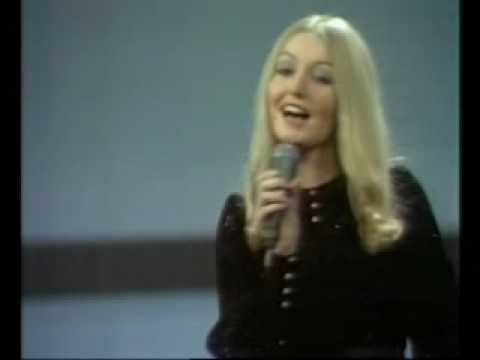

→ More from the 1970s File
View all 1970s hits →




Keep digging