The 1970s File Feature
Saturday Night Special
"Saturday Night Special" — Lynyrd Skynyrd Southern Rock With a Social Conscience In the summer of 1975, Lynyrd Skynyrd was one of the loudest and most vital …
01 The Story
"Saturday Night Special" — Lynyrd Skynyrd
Southern Rock With a Social Conscience
In the summer of 1975, Lynyrd Skynyrd was one of the loudest and most vital bands in American rock, a Jacksonville, Florida outfit that had built its reputation on marathon live sets, triple guitar attacks, and a fierce regional pride that had found a national audience. Ronnie Van Zant, the band's vocalist and creative compass, was one of rock music's most underrated lyricists: capable of bar-fighting swagger in one breath and quiet moral clarity in the next. "Saturday Night Special" is among the most striking examples of that moral clarity, arriving on a Lynyrd Skynyrd record like a genuine surprise. Here was a band that had been celebrated for pure rock intensity turning its attention to gun violence in America, and doing so with blunt, unflinching economy.
The Track and Its Argument
The song takes its title from the informal term for cheap, concealable handguns that were particularly associated with street violence in American cities during the 1970s. Van Zant's lyrics build a case against these weapons with a directness that bypassed the cautious hedging common to mainstream pop commentary of the period. The production matched the subject matter: heavy and deliberate, with a guitar tone that was more menacing than celebratory, a marked contrast to some of the band's more exuberant Southern rock anthems. Ed King co-wrote the track with Van Zant, and the collaboration produced something that felt different in texture from the band's most famous work, though it shared the same commitment to not wasting words. The groove was dense and slow by Skynyrd standards, which gave the message room to land.
Chart Performance and Context
The track came from the 1975 album Nuthin' Fancy and debuted on the Billboard Hot 100 on June 14, 1975 at position 89. From there it climbed through the summer months, working its way up the chart as Skynyrd toured relentlessly in support of the release. By August 2, 1975, it had reached its peak position of 27, spending 9 weeks total on the Hot 100. That placed it slightly below the band's biggest commercial successes, but its chart performance belied the song's outsized cultural impact. For a Southern rock band to put a gun control argument in the top thirty of the American pop chart during the mid-1970s was a genuinely unusual act, and it expanded the perceived range of what Lynyrd Skynyrd was capable of saying.
A Band Evolving Beyond Its Own Image
By 1975, Lynyrd Skynyrd had been somewhat trapped by their own success with "Sweet Home Alabama," a song whose celebration of Southern identity had attracted both devoted fans and critics who read it as cultural provocation. "Saturday Night Special" offered a different picture of where the band's thinking actually was. Van Zant was a complex figure who resisted easy categorization, and his willingness to write a song this explicitly political, on a subject as charged as firearms in America, demonstrated that his creative ambition exceeded the redneck rock mythology that had attached to the band. The track remains one of the most politically direct statements in the Southern rock canon, all the more striking for coming from the genre that might have been expected least to produce it.
The Weight of What Came After
Two years after this song charted, Lynyrd Skynyrd's story was altered irrevocably by the 1977 plane crash that killed Van Zant and two other band members. "Saturday Night Special" has a particular resonance in the context of that tragedy and its aftermath; the band's vocalist had written about the arbitrary, cheap destruction that violence causes, and the universe had administered its own devastating irony. The song has been performed and referenced in debates about gun policy in the decades since, occasionally awkwardly, since Van Zant's actual views were more complicated than a single song can convey. What remains beyond debate is the song's craft: the economy of the argument, the heaviness of the groove, the moral seriousness of a rock band using its platform to say something uncomfortable. That is genuinely rare. Listen to it loud and consider what it costs to mean what you say.
"Saturday Night Special" — Lynyrd Skynyrd's singular moment on the 1970s charts.
02 Song Meaning
"Saturday Night Special" — Themes and Legacy
The Gun as Symbol and Reality
The "Saturday night special" as a cultural artifact predates this song by decades. The term referred to cheap, small-caliber handguns that were inexpensive to purchase and easily concealed, making them the weapon most commonly associated with impulsive violence in American cities. By invoking this specific object in their title and their lyrics, Lynyrd Skynyrd grounded their social commentary in material reality rather than abstraction. The song does not theorize about violence; it names the instrument of it and asks the audience to consider what that instrument actually does. That rhetorical specificity is what gives the track its unusual force in a genre not known for policy arguments.
Southern Rock and the Contradiction
Lynyrd Skynyrd occupied a complicated cultural position in 1975. They were celebrated as avatars of Southern white masculinity, a constituency that was, and remains, among the most enthusiastic supporters of gun rights in America. For this band, with this audience, to record a song arguing against a category of handgun was a genuinely counterintuitive act. Van Zant seemed aware of the contradiction and made no attempt to soften the argument for his core audience. That directness, refusing to offer his fans the comfortable version of what he believed, is what distinguishes the creative courage of the song from simple political posturing. He was not preaching to a converted audience; he was speaking to his own people about something he actually believed.
Violence, Class, and American Life in the 1970s
American cities in the mid-1970s were experiencing severe economic stress, rising crime rates, and social fractures that would shape the political landscape for the next two decades. The cheap handgun was a symptom of those conditions: available to people who could not afford protection in other forms, associated with the kinds of violence that happened to people without resources to avoid vulnerable situations. The song places itself within that social landscape with an honesty that most mainstream rock of the period carefully avoided. FM radio in 1975 was largely a space for escape, and Lynyrd Skynyrd was offering something harder to listen to while making it impossible to look away.
The Tradition of Protest in Rock Music
By 1975, the great era of rock protest music associated with the late 1960s had largely run its course. The Vietnam War was winding down, the counterculture had dispersed, and the politically engaged rock record had become less commercially viable than it had been five years earlier. "Saturday Night Special" arrived in that context as an anomaly, a Southern rock band making a direct political argument on an album that was otherwise more interested in groove and riffing than messaging. Its presence on a Lynyrd Skynyrd record made it more striking than the same argument made by a band whose entire identity was political. Unexpected voices carry unexpected weight.
Endurance and Renewed Relevance
The debate about cheap, easily obtainable firearms has not resolved in the decades since 1975, which means that "Saturday Night Special" has never become a historical curiosity. Each wave of national conversation about gun violence in America brings the song back into circulation, sometimes cited approvingly by those who share its argument, sometimes awkwardly invoked in the context of a band whose broader cultural image complicates the message. The song's durability in these conversations is evidence of how precisely it identified the specific character of a specific problem. Ronnie Van Zant was writing about something real, and the thing he was writing about did not go away. That is both the song's lasting relevance and its persistent sadness.
→ More from Lynyrd Skynyrd
View all Lynyrd Skynyrd hits →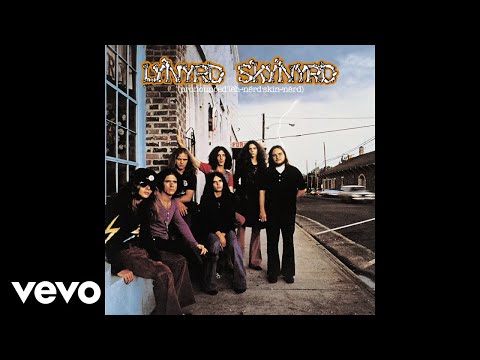

→ More from the 1970s File
View all 1970s hits →




Keep digging