The 1970s File Feature
Standing At The End Of The Line
The Tender Soft-Rock of Standing At The End Of The Line by Lobo Travel to 1974, the heart of the soft-rock era, when warm, melodic singer-songwriters filled …
01 The Story
The Tender Soft-Rock of "Standing At The End Of The Line" by Lobo
Travel to 1974, the heart of the soft-rock era, when warm, melodic singer-songwriters filled the airwaves with gentle, heartfelt music. Lobo, the stage name of singer-songwriter Roland Kent LaVoie, had built a career on tender, romantic ballads delivered in his warm, easygoing style. This single found him in characteristically heartfelt form, a gentle, melodic reflection on love and uncertainty that continued his run of appealing soft-rock hits during a fruitful chapter of his career.
A Soft-Rock Hitmaker
By 1974, Lobo had established himself as a reliable purveyor of warm, melodic soft rock. Performing under his memorable one-word stage name, the singer-songwriter had scored a string of gentle, romantic hits earlier in the decade that made him a fixture of adult contemporary and pop radio. His appeal lay in his easygoing, sincere delivery and his gift for crafting heartfelt, accessible melodies. This single came during his productive run, continuing the tender, romantic style that had won him a devoted audience among fans of mellow, melodic pop.
A Gentle, Reflective Ballad
The song trades in warm, melodic soft rock, built around Lobo's pleasant, sincere vocal and a gentle, flowing arrangement. The production is smooth and unhurried, the kind of mellow soft-rock sound that defined the era's adult contemporary radio. The song reflects on love and emotional uncertainty with a wistful, heartfelt tone, suited to Lobo's tender style. There is an easygoing sincerity to the performance, an emotional warmth that connected with listeners drawn to gentle, romantic music. It is a representative example of the appealing, mellow sound that made Lobo a star.
A Solid Chart Climb
On the Hot 100, the single posted a respectable result. It debuted on April 13, 1974, at number 74, then climbed steadily through number 64, number 54, number 48, and number 40 across its first five weeks. The song continued to build and ultimately peaked at number 37 on May 18, 1974. It spent seven weeks on the chart in all. That solid top-forty showing confirmed Lobo's continued appeal and his ability to deliver the kind of warm, melodic soft rock that resonated with the era's audience during the height of the singer-songwriter movement.
A Chapter in a Mellow Career
This single stands as a fine example of Lobo's gentle, romantic soft-rock style and his consistent presence on the charts during the early 1970s. While he is best remembered for a handful of signature hits, this song demonstrates the warm, heartfelt approach that defined his appeal throughout his career. It captures the mellow, sincere sound that made soft rock so popular in the era, a gentle reflection on love delivered with characteristic warmth. For fans of the period's melodic, easygoing music, it remains a pleasant and heartfelt listen, a gentle reminder of why Lobo's warm, sincere style won him such a loyal following.
The Comfort of Soft Rock
Lobo's music exemplifies the enduring appeal of gentle, comforting soft rock. In an era of social turbulence and rapid change, many listeners craved music that offered warmth, sincerity, and emotional reassurance, and soft rock provided exactly that. Artists like Lobo specialized in melodic, heartfelt songs that soothed rather than challenged, creating a comforting sonic refuge. That appeal was no small thing; it spoke to a genuine human need for gentleness and emotional connection. This song embodies that quality, offering listeners a warm, sincere reflection on love that asks nothing of them except to relax and feel its gentle emotional pull. It is the sound of comfort itself, music that wraps around the listener like a warm blanket on a difficult day.
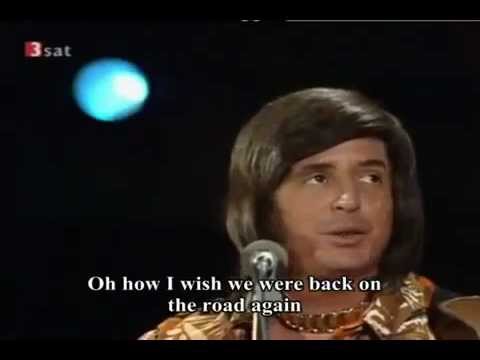
Press play and let it soothe you: a warm, gentle soft-rock ballad from one of the early 1970s' most heartfelt singer-songwriters.
"Standing At The End Of The Line" — Lobo's singular moment on the 1970s charts.
02 Song Meaning
What "Standing At The End Of The Line" by Lobo Really Means
This is a song about love, uncertainty, and the difficult moment of facing a relationship's possible end. Its central image, standing at the end of the line, evokes a sense of arriving at a crossroads or a point of no return in a romance. It is a tender, reflective meditation on the fragility of love and the anxiety of an uncertain future.
A Crossroads in Love
At its core, the song captures a moment of romantic uncertainty. The image of standing at the end of the line suggests a relationship reaching a critical juncture, a point where the future hangs in the balance. The narrator confronts the possibility that love may be ending, facing that prospect with a mix of hope and apprehension. That sense of standing at a crossroads, unsure which way things will go, gives the song its emotional tension and its wistful, reflective quality. It captures the anxious uncertainty that often accompanies love.
The Fragility of Love
Running through the song is an awareness of love's fragility. The narrator recognizes that relationships can falter and end, that the love he holds dear is not guaranteed to last. That vulnerability, the knowledge that love can slip away, lends the song a gentle melancholy. It reflects a mature understanding of romance, one that acknowledges the real risk of loss even while hoping for the best. The song does not pretend that love is invulnerable, instead confronting its delicate, uncertain nature with honesty and tenderness.
Hope Amid Uncertainty
Despite its anxiety, the song carries a thread of hope. Even as the narrator faces the possibility of an ending, he seems to hold onto the wish that things might work out, that love might endure. That balance between apprehension and hope reflects the complicated emotions of a relationship at a crossroads. The gentle, warm musical style reinforces that hopeful undercurrent, suggesting that even in uncertainty, there is room for tenderness and the possibility of a happy resolution. The song refuses to give in entirely to despair.
Why It Resonated
The song connected because its portrait of romantic uncertainty is deeply relatable. Everyone who has loved has faced moments of doubt and the fear that a relationship might be ending, and the song captured that anxious, hopeful feeling with gentle honesty. Lobo's warm, sincere delivery made the emotion feel genuine and tender rather than dramatic. That heartfelt meditation on love's fragility and the anxiety of an uncertain future is why the song resonated, a gentle reminder of the vulnerability that comes with caring deeply for someone whose feelings we cannot fully control or predict, and the hope we hold onto even then.
→ More from Lobo
View all Lobo hits →
→ More from the 1970s File
View all 1970s hits →




Keep digging