The 1970s File Feature
A Simple Man
"A Simple Man" — Lobo's 1972 Summer of Quiet Conviction The summer of 1972 had a certain sonic personality that set it apart from the decade's more extravaga…
01 The Story
"A Simple Man" — Lobo's 1972 Summer of Quiet Conviction
The summer of 1972 had a certain sonic personality that set it apart from the decade's more extravagant moments. While glam rock was arriving in Britain and funk was reshaping Black radio in America, a significant portion of the mainstream pop audience was gravitating toward something quieter and more personal. The singer-songwriter movement was in full bloom, and artists who could deliver intimate, acoustic-leaning confessionals were finding enormous audiences. Lobo was working squarely in that territory, and "A Simple Man" was his contribution to a summer of introspective pop.
The Florida Singer Behind the Name
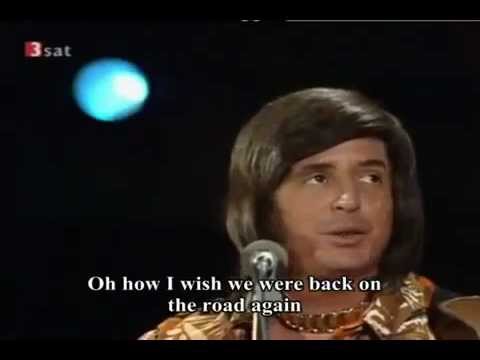
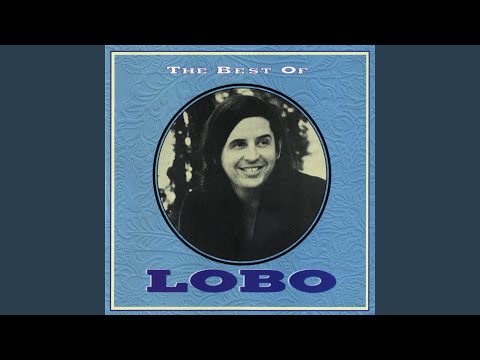
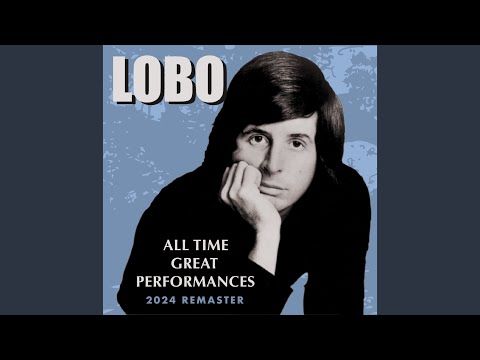
Lobo was the stage name of Roland Kent LaVoie, a Florida native who had spent time playing in bands during the 1960s before pivoting to a solo career built on gentle acoustic pop. His earlier single "Me and You and a Dog Named Boo" had established his commercial profile in 1971, reaching the top five and demonstrating that his particular combination of warm vocals, simple melodic lines, and non-threatening personal philosophy had genuine mass appeal. LaVoie wrote, produced, and performed his own material, a degree of creative autonomy that was unusual for a mainstream pop artist of his era and that gave his records a consistent voice and point of view.
The Philosophy of Simplicity
"A Simple Man" is built around a proposition that was culturally resonant in 1972: the idea that a life stripped of complication and ambition might be the most genuinely human life available. The early 1970s were years of significant national disillusionment; Vietnam, Watergate in its early stages, and the residue of the 1960s' failed utopian promises had created an audience receptive to music that proposed stepping back from the larger social drama and finding meaning in the personal and the immediate. The song's quiet insistence on modest pleasures and genuine feeling connected with listeners who were tired of everything being important.
Nine Weeks Building to 56
The song debuted on the Billboard Hot 100 on July 8, 1972, entering at position 90. It climbed gradually over the following weeks, moving through the 70s and 60s before reaching its peak of 56 on the week of August 19, 1972. Nine weeks on the Hot 100, peaking at number 56: a solid mid-chart showing that confirmed Lobo's ability to sustain audience attention beyond the initial promotional moment. That kind of gradual climb, building week by week rather than arriving with a splash, often indicates word-of-mouth support from listeners who found the song meaningful rather than just catchy.
Acoustic Pop's Commercial Moment
The early 1970s were the commercial peak of the singer-songwriter tradition. James Taylor, Carole King, Cat Stevens, and others had demonstrated that introspective, melody-centered acoustic pop could generate the kind of chart success that had previously been associated with more produced, more elaborate records. Lobo operated at the softer end of this spectrum, with a sound that was warmer and more straightforwardly accessible than some of his peers. His commercial success in this period reflected how genuinely large the audience for this kind of music had become by the early years of the decade.
Legacy of the Uncomplicated
Lobo's commercial presence faded as the decade progressed and the singer-songwriter moment gave way to other sounds, but his best work from the early 1970s holds up as a genuine document of its cultural moment. "A Simple Man" captures something real about what a significant portion of the early 1970s audience wanted from music: warmth, personal directness, and a gentle insistence that ordinary life contains everything necessary. That message has not lost its appeal, and listeners who encounter the song decades later often report that it delivers exactly what it promises.
Find a quiet afternoon, put this on, and let Lobo remind you that simplicity is its own kind of achievement.
"A Simple Man" — Lobo's singular moment on the 1970s charts.
02 Song Meaning
Less as More: The Meaning of "A Simple Man"
In the aftermath of a decade that had promised everything and delivered enormity alongside catastrophe, the early 1970s produced a significant counterreaction in popular culture. After the social upheavals, the assassinations, the war, and the slow collapse of 1960s idealism, a portion of the cultural audience was ready to hear that the right answer might be to want less rather than more, to find meaning in the local and the personal rather than the global and the transformative. Lobo was one of the musicians who spoke directly to that mood.
The Value of Wanting Less
"A Simple Man" proposes that the narrator's life philosophy, a preference for uncomplicated pleasures and genuine human connection over ambition and complexity, is not a failure to aspire but a conscious and valid choice. This is a more sophisticated position than it might appear. The song does not celebrate ignorance or passivity; it celebrates deliberate simplicity, the kind that comes from having thought about what matters and concluded that the conventional markers of success are not among those things. That distinction, between simplicity as failure and simplicity as philosophy, is what gives the lyric its quiet dignity.
The Song's Relationship to Its Era
Songs about contentment with modest circumstances often reflect cultural moments when larger aspirations have proven disappointing. The early 1970s context gives "A Simple Man" a specific resonance: it arrived at a moment when many Americans who had been politically engaged in the 1960s were retreating into private life, finding that the personal was the only domain where they had genuine agency. Lobo's message, that a life focused on immediate experience and honest feeling is not a retreat but a choice, offered those listeners a way to understand their own withdrawal from public life that was not simply defeat.
Acoustic Music and Authenticity
The acoustic pop tradition that Lobo worked in carried specific connotations of authenticity in the early 1970s. The stripped-down instrumentation signaled that the artist had nothing to hide, no production machinery obscuring the essential emotional content. Simplicity of sound matched simplicity of message, and together they created a listening experience that felt honest in a way that more elaborate productions did not always achieve. The vulnerability of the acoustic approach was itself part of the meaning: a simple man plays simple music, and the form expresses the content without mediation.
What "Simple" Actually Requires
There is a paradox in songs about simplicity that the best of them acknowledge: simplicity in art is not simple to achieve. A lyric that says what it means without flourish, a melody that goes directly where it needs to go, a vocal performance that trusts plainness over technique, these require considerable craft to execute without boredom. Lobo's achievement on this track is making simplicity feel effortless, which is the sign of a songwriter who understood his material well enough to know when to get out of the way of it.
Resonance Across Decades
The appeal of the song's central argument, that a life structured around genuine feeling and uncomplicated connection is a life worth living, has not diminished with time. Different eras have different reasons to be suspicious of complexity and ambition, and each generation finds its own path to the conclusion that the narrator arrives at here. The song survives its original cultural context because the emotional logic it follows is not specific to the early 1970s, even if that era provided a particularly receptive audience for it. Wanting less, and meaning it, is a perennial human option.
→ More from Lobo
View all Lobo hits →
→ More from the 1970s File
View all 1970s hits →




Keep digging