The 1970s File Feature
That'll Be The Day
That'll Be The Day by Linda Ronstadt The Queen of Rock Reviving a Classic Picture the mid-1970s, when Linda Ronstadt reigned as one of the most successful an…
01 The Story
"That'll Be The Day" by Linda Ronstadt
The Queen of Rock Reviving a Classic
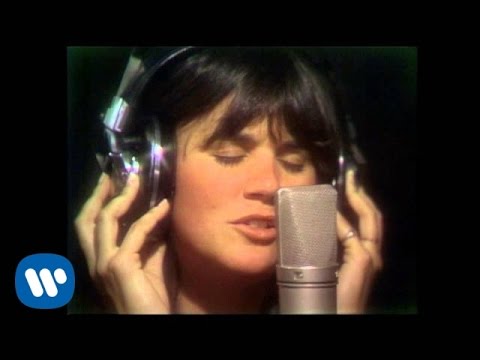
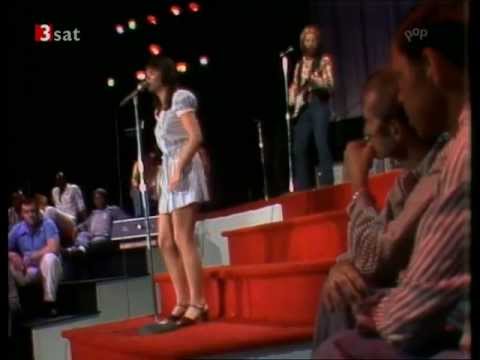
Picture the mid-1970s, when Linda Ronstadt reigned as one of the most successful and admired singers in American music. With her crystalline voice and impeccable taste, she had become the definitive female rock star of the era, an artist who could take a song from almost any tradition and make it entirely her own. By 1976 she was at the height of her powers, riding a remarkable run of hit albums and singles that blended rock, country, and pop with rare elegance. One of her great gifts was as an interpreter, breathing fresh life into songs from earlier decades and introducing them to a new generation. "That'll Be The Day" was a perfect vehicle for that talent, a beloved rock and roll classic that she reclaimed and reshaped with her own unmistakable warmth and confidence.
Honoring Buddy Holly, Ronstadt Style
The song carried significant history before Ronstadt approached it, originally a landmark hit from the pioneering days of rock and roll, forever associated with Buddy Holly and his early influence on the music. Ronstadt's version pays clear affection to that heritage while filtering it through her polished mid-seventies California-rock sensibility. Her rendition brings a warm, confident vocal and glossy production to a foundational rock and roll song. She keeps the melody's timeless bounce while giving it the fuller, richer sound of her era. The result honors the original's spirit without merely copying it, a loving update that let a new audience fall for a classic. It is a showcase of her interpretive genius, her ability to respect a song's roots while making it feel present and alive.
A Climb Toward the Top Ten
The chart run marks one of the stronger showings in this collection. "That'll Be The Day" debuted on the Billboard Hot 100 on August 21, 1976, at number 71. It climbed with impressive speed, leaping to 57, then 38, then 25, and reaching number 21 in successive weeks, a rapid and confident ascent. The single ultimately peaked at number 11 during the week of October 23, 1976, coming tantalizingly close to the top ten, and spent a substantial sixteen weeks on the Hot 100. That combination of a high peak and a long run marks a genuine hit, the kind of success that was routine for Ronstadt during this golden stretch of her career. It confirmed once again her reliable command of the charts.
A Star at the Center of the Seventies Sound
The context of 1976 places Ronstadt at the very heart of the decade's musical mainstream. The California rock sound she embodied was dominant, a smooth, sophisticated blend of rock, country, and pop that defined much of the era's radio. Ronstadt was arguably its leading female voice, an artist of enormous commercial power and critical respect. She stood among the most important and successful recording artists of the 1970s. Her decision to revive a rock and roll classic reflected a broader appreciation for the music's roots, and her success with it demonstrated her singular ability to bridge past and present, honoring tradition while ruling the contemporary charts.
A Highlight in a Towering Legacy
In the grand sweep of Linda Ronstadt's extraordinary career, this single stands as one of many highlights from her peak years, a testament to her gifts as an interpreter and a hitmaker. She would go on to explore an astonishing range of styles, from rock to standards to traditional Mexican music, cementing a legacy of fearless artistry. Her willingness to follow her voice wherever it led made her one of the most respected singers of her generation. Today "That'll Be The Day" endures as a beloved entry in her catalog, holding around 69,000 YouTube views, cherished by her many fans and by lovers of classic rock and roll reborn.
Press Play and Fall for It Again
Cue this one up and you get the best of two worlds, a timeless rock and roll classic delivered by one of the finest voices of the seventies. Ronstadt's warmth and confidence make the familiar melody feel freshly minted, bright and irresistible. It is a joyful, expertly crafted record. Press play and let it charm you all over again.
"That'll Be The Day" — Linda Ronstadt's singular moment on the 1970s charts.
02 Song Meaning
The Meaning Behind "That'll Be The Day"
Defiance in the Face of Heartbreak
At its core, "That'll Be The Day" is a song about romantic defiance, about refusing to believe that a loved one would ever truly leave. The central theme is disbelief and stubborn confidence in the face of a partner's threats to go. The title itself is a phrase of skeptical bravado, essentially declaring that the day the lover departs will be a day the singer never expects to see. It captures a mix of insecurity and swagger, the voice of someone who cannot quite accept that heartbreak could actually arrive, and who masks their worry with bold denial.
Bravado Masking Vulnerability
What gives the song its emotional texture is the tension beneath its confident surface. The defiance is real, but so is the underlying fear it papers over. The emotional message blends youthful bravado with a hidden current of romantic anxiety. To insist so firmly that a lover will never leave is, paradoxically, to reveal how much their leaving is feared. That interplay between confidence and vulnerability is what makes the song more than a simple boast. It speaks to the way people protect themselves from the possibility of loss by refusing to entertain it, a very human form of emotional armor.
A New Voice on an Old Sentiment
Ronstadt's interpretation adds an interesting layer to the song's meaning. Sung by a strong, confident female voice at the height of her powers, the defiance takes on a particular assurance. Her rendition delivers the song's bravado with the poise and command of a major star. Where the original carried the nervy energy of early rock and roll youth, Ronstadt brings a grounded confidence, giving the defiance a mature, self-possessed quality. The sentiment remains the same, but the voice reshapes how we hear it, lending the familiar words fresh character and strength.
Timeless Rock and Roll Emotion
Set in 1976 but rooted in a classic from an earlier age, the song bridges eras through a feeling that never dates. The mix of romantic insecurity and confident denial is a staple of rock and roll from its very beginnings. The song embodies a timeless emotional truth at the heart of youthful romance. Its endurance across two decades of popularity speaks to how universal that feeling is. Whether in the fifties or the seventies, listeners recognized the bravado and the buried anxiety, connecting to a sentiment that transcends any single moment.
Why It Still Resonates
The song endures because the emotion it captures is one nearly everyone has felt. The refusal to believe that love could end, the confident denial masking real fear, remains deeply familiar. Its lasting power lies in that honest portrait of defiance shielding a vulnerable heart. Delivered with Ronstadt's warmth and strength, the sentiment feels both classic and freshly alive. Anyone who has ever insisted, against their own quiet worry, that a loved one would never leave recognizes exactly what the song means, and that is why it continues to connect.
→ More from Linda Ronstadt
View all Linda Ronstadt hits →

→ More from the 1970s File
View all 1970s hits →




Keep digging