The 1970s File Feature
Silver Threads And Golden Needles
Silver Threads and Golden Needles: Linda Ronstadt's Country-Rock Breakthrough "Silver Threads and Golden Needles" is a song that had been part of the America…
01 The Story
Silver Threads and Golden Needles: Linda Ronstadt's Country-Rock Breakthrough
"Silver Threads and Golden Needles" is a song that had been part of the American country music repertoire for more than two decades before Linda Ronstadt brought it to a new generation of listeners with her recording in the early 1970s. The song was written by Dick Reynolds and Jack Rhodes and was first recorded by Wanda Jackson in 1956, before becoming associated most notably with the Springfield sound through recordings by Dusty Springfield, first with The Springfields in 1962 and then in various subsequent contexts. When Ronstadt recorded her version, she was part of a generation of young California musicians who were renegotiating the boundary between country music and rock and roll in ways that would eventually produce the country rock movement of the 1970s.
Ronstadt's version of "Silver Threads and Golden Needles" appeared on her Don't Cry Now album, released in 1973 on Asylum Records. The album was a significant moment in Ronstadt's commercial development, produced by John Boylan and Peter Asher, and it demonstrated that her powerful voice could carry a wide range of material including the kind of traditional country and Americana that was being rehabilitated by the Los Angeles-based country rock scene of the early 1970s. The album featured musicians who would become central figures in the Eagles and other country rock acts, situating Ronstadt at the creative center of one of the decade's most commercially significant musical developments.
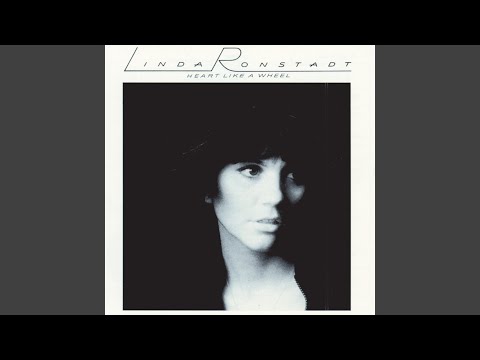
The single release of "Silver Threads and Golden Needles" came in 1974, when the track was released to capitalize on Ronstadt's growing profile following her commercial breakthrough with the Heart Like a Wheel album. The single reached number 67 on the Billboard Hot 100, a modest showing by later standards but a meaningful step in establishing Ronstadt's name in the singles market rather than exclusively as an album artist. The track performed better on the country charts, where her country rock approach found an audience that was already comfortable with the material's traditional pedigree.
Ronstadt's vocal performance on the track demonstrated the qualities that would make her one of the most commercially successful recording artists of the 1970s: an extraordinary natural voice of great purity and power, a sensitivity to phrasing that communicated emotional intelligence without sentimentality, and an ability to inhabit material from outside her personal experience convincingly enough to make it feel genuinely felt. Her reading of "Silver Threads and Golden Needles" brings a directness and a slight edge to the song that distinguishes it from more traditional country interpretations, reflecting her formation in the rock and folk scenes of late 1960s California rather than in Nashville.
Producer Peter Asher, who had been half of the British pop duo Peter and Gordon before moving into production and management, brought a sophisticated ear for arrangement and a willingness to blend influences that proved perfectly suited to Ronstadt's artistic ambitions. Their collaboration, which began with Don't Cry Now and continued through Ronstadt's most commercially dominant period in the late 1970s, produced some of the most beautifully crafted recordings in the country rock and pop rock genres.
The song itself, with its central image of wealth and adornment offered as substitutes for genuine love, was a natural fit for Ronstadt's developing artistic persona, which consistently favored material that combined surface accessibility with genuine emotional complexity. The narrator of the song rejects the material consolations being offered and insists on the primacy of authentic feeling over purchased comfort, a position that resonated with the countercultural values that shaped the California rock scene in which Ronstadt had come of age.
In the broader context of Ronstadt's career, "Silver Threads and Golden Needles" occupies the transitional period between her early work with the Stone Poneys and the massive commercial success that followed Heart Like a Wheel. This middle period, in which she was establishing her artistic identity and building the audience that would make her one of the best-selling recording artists of the 1970s, is less celebrated than the peak years that followed but is in some ways more interesting as a document of an exceptional artist in the process of finding her direction. The track stands as a marker of that process, evidence of the range and instinct that would shortly make Ronstadt one of the most important figures in American popular music.
02 Song Meaning
Wealth Without Warmth: The Emotional Argument of "Silver Threads and Golden Needles"
"Silver Threads and Golden Needles" is a song organized around a refusal, the rejection of material wealth as a substitute for genuine emotional connection. In Linda Ronstadt's interpretation, this refusal gains a particular clarity and force from the directness of her vocal delivery, which leaves no ambiguity about the position the narrator is taking. The song's central argument is as simple and as enduring as any in the country music tradition: love cannot be bought, and the attempt to offer material substitutes for it is not merely inadequate but offensive to the person it is offered to.
The imagery of silver threads and golden needles, luxurious materials associated with fine craftsmanship and expensive clothing, represents the highest register of material consolation available within the world the song describes. The song does not pretend that these are trivial or worthless things; they are genuinely desirable, genuinely beautiful, and genuinely beyond the reach of most people. The narrator's rejection of them is therefore not a rejection of poverty's alternative but a genuine sacrifice, a choice to value authentic emotional connection over what would be, by any material standard, a very good deal. This makes the song's moral argument more interesting and more difficult than a simple assertion that love matters more than money.
The country music tradition from which the song emerges has always maintained a complex relationship with wealth and aspiration. Country music in the classic mold celebrated hard work and honest poverty while maintaining a complicated ambivalence about the rich, who were sometimes figures of aspiration and sometimes figures of moral suspicion. "Silver Threads and Golden Needles" draws on the latter tradition, using the wealthy suitor's offer as evidence not of generosity but of a fundamental misunderstanding of what the narrator needs and deserves. The implied critique of wealth's limitations within a romantic context reflects a long tradition of working-class suspicion that money and genuine feeling are incompatible currencies.
Ronstadt's version of the song situates it within the specific context of California country rock, a genre that was partly defined by its effort to reconcile the emotional authenticity and melodic accessibility of traditional country with the electric energy and cultural values of the rock generation. Her performance brings to the song the kind of vocal power that country music's original tradition rarely accommodated in female voices, a directness and strength that asserts the narrator's position with authority rather than with the vulnerability that many earlier interpretations had emphasized.
The song's longevity, across multiple decades and multiple very different interpreters, reflects the universality of its core premise. The experience of being offered material substitutes for genuine feeling is not confined to any era, any gender, or any class position; it is one of the most common forms of emotional disappointment that human beings encounter in romantic life. The song names this experience with precision and refuses it with clarity, which is why it has remained useful to singers and meaningful to audiences across the better part of a century of recorded music.
Within Ronstadt's catalog, the track contributes to the portrait of an artist who consistently chose material with genuine emotional stakes over the safer commercial options that her extraordinary voice might have sustained. Her willingness to engage with the traditional country repertoire, at a moment when rock musicians doing so risked being dismissed as retrograde or unfashionable, was an early demonstration of the artistic courage that would characterize her decisions throughout a career in which she moved confidently between country rock, mainstream pop, operetta, and Mexican traditional music. "Silver Threads and Golden Needles" is a small but telling piece of that larger story, a song about refusing to accept less than what one is worth, performed by an artist who spent her career insisting on the same standard for herself.
→ More from Linda Ronstadt
View all Linda Ronstadt hits →


→ More from the 1970s File
View all 1970s hits →




Keep digging