The 1970s File Feature
Ooh Baby Baby
Ooh Baby Baby by Linda Ronstadt There's something undeniably tender about the sound of Linda Ronstadt wrapping her gorgeous voice around a classic soul balla…
01 The Story
"Ooh Baby Baby" by Linda Ronstadt
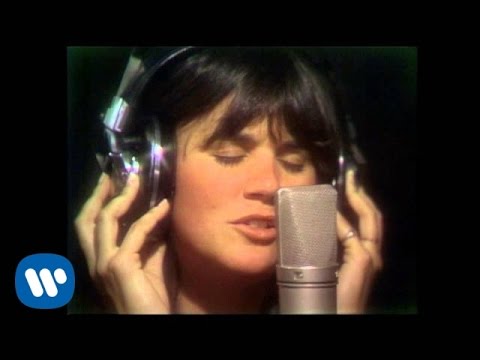
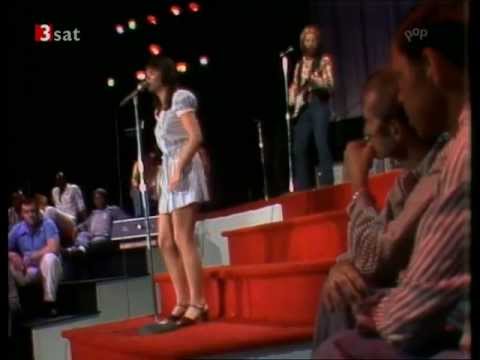
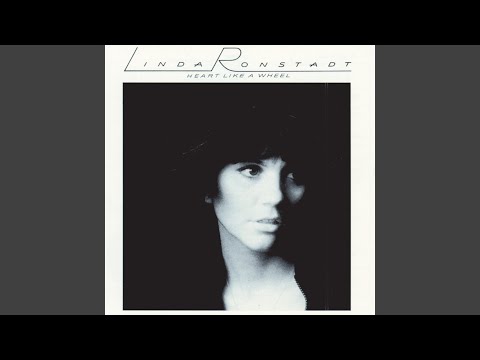
There's something undeniably tender about the sound of Linda Ronstadt wrapping her gorgeous voice around a classic soul ballad. As the 1970s drew toward their close, the reigning queen of California rock turned to a beloved Motown gem and made it shimmer anew. "Ooh Baby Baby" found Ronstadt at the height of her powers, delivering a wistful, exquisitely sung interpretation that became one of her most cherished hits, a testament to her gift for breathing fresh life into other artists' songs.
The Queen of 1970s Rock
By 1978, Linda Ronstadt was one of the most popular and acclaimed artists in American music. She had become the era's premier female rock singer, blessed with a powerful, emotionally rich voice and an unerring instinct for choosing the right material. She had scored a remarkable run of hit albums and singles across the decade, becoming a genuine superstar and a model of interpretive excellence. Ronstadt was celebrated for her ability to take songs from across the spectrum of pop, rock, country, and soul and make them entirely her own. By the late 1970s she was at the peak of her commercial and artistic powers, and "Ooh Baby Baby" showcased her interpretive gifts beautifully.
A Motown Classic Reimagined
The song itself was a treasured soul ballad. "Ooh Baby Baby" was originally a hit for Smokey Robinson and the Miracles, the Motown legends, in the mid-1960s. Ronstadt's version honored the original's aching tenderness while bringing her own warmth and vulnerability to the performance. The arrangement is soft and wistful, foregrounding her gorgeous voice as it conveys longing and regret. Her interpretation is reverent yet personal, a heartfelt tribute that stands proudly alongside the classic original. It is a masterclass in how to cover a beloved song, honoring its spirit while making it feel new.
A Top-Ten Triumph
The single was a major success, becoming one of Ronstadt's signature hits. "Ooh Baby Baby" debuted on the Billboard Hot 100 on November 11, 1978 at number 59, then climbed swiftly through the winter. It reached its peak of number 7 on January 20, 1979, and it spent sixteen weeks on the Hot 100. Cracking the top ten confirmed both Ronstadt's enormous popularity and the enduring power of the song itself. The lengthy chart run reflected the broad appeal of her tender interpretation, a hit that connected deeply with listeners across the country.
A Gem in a Stellar Catalog
This single belongs to one of the most distinguished bodies of work in 1970s pop. Linda Ronstadt would be remembered as one of the greatest interpretive singers of her generation, her catalog full of definitive versions of songs from every genre. "Ooh Baby Baby" stands as a prime example of her gift, a gorgeous reading of a soul classic that became a hit in its own right. For fans of her work, it remains one of her most beloved recordings, a showcase for the warmth and beauty of her remarkable voice.
Why It Still Moves
Heard today, Ronstadt's "Ooh Baby Baby" remains an exquisite, tender beauty, her voice as gorgeous as ever. The mood is wistful, the emotion genuine, the interpretation flawless. Press play and let that lovely voice carry you through the song's aching regret, and you'll understand why Linda Ronstadt was so beloved. The art of the great interpreter is often underrated, dismissed as merely singing someone else's song, yet it takes rare gifts to inhabit a lyric so fully that you make it your own without erasing what came before. Ronstadt possessed those gifts in abundance, approaching each song with both reverence and a clear personal vision. Her "Ooh Baby Baby" honors Smokey Robinson's original while standing entirely on its own, a balance only the finest singers can strike. It is interpretive singing at its finest, a tender tribute to a soul classic.
"Ooh Baby Baby" — Linda Ronstadt's singular moment on the 1970s charts.
02 Song Meaning
The Meaning Behind "Ooh Baby Baby"
"Ooh Baby Baby" is a tender ballad about regret, longing, and the pain of having wronged someone you love. The narrator pleads for forgiveness, acknowledging their mistakes and aching for a second chance. It is a song about vulnerability and remorse, the heartfelt apology of someone who realizes too late the value of what they may have lost. Its emotional power lies in its raw, unguarded sincerity.
Regret and Apology
The central theme is remorse for having hurt a loved one. The narrator admits fault openly, expressing deep regret and longing to make things right. The song is built around a heartfelt plea for forgiveness, the vulnerable admission of someone who knows they have done wrong. It captures the painful clarity that comes when we recognize our mistakes and fear we may have lost something precious.
Vulnerability in Love
The emotional tone is tender, wistful, and deeply vulnerable. Rather than pride or defensiveness, the lyric offers naked emotional honesty. The message is one of yearning and contrition, the willingness to lay one's heart bare in hope of reconciliation. That openness, conveyed so beautifully in Ronstadt's interpretation, gives the song its aching emotional resonance.
The Soul Ballad Tradition
Culturally, the song belongs to the rich tradition of the soul ballad, born at Motown and beloved across generations. The original captured the tender, vulnerable side of 1960s soul, and Ronstadt's version carried that emotional honesty into the late 1970s. The song's enduring appeal speaks to the timeless power of a beautifully sung plea for forgiveness, a theme that transcends any single era.
Why It Resonated
The song connected because its emotions are so deeply universal. Nearly everyone has felt the regret of hurting someone they love and the longing to make amends, and the song captures that experience with rare tenderness. Ronstadt's gorgeous, vulnerable voice made the apology feel genuine and moving. It endures as a tender expression of regret and longing, a reminder that admitting our mistakes and asking forgiveness is one of love's most humbling and necessary acts. There is courage hidden inside the song's vulnerability, the bravery it takes to set aside pride and openly admit you were wrong. That kind of honesty is rarely easy, which is part of why the song moves us so deeply; it gives voice to an apology many people struggle to make. In Ronstadt's hands, that plea becomes almost unbearably tender, the sound of a heart laid completely bare in the hope of being forgiven, and it is that fearless vulnerability that has kept the song so beloved across the decades. The willingness to be that honest, that exposed, is what transforms a simple apology into something genuinely moving and lasting.
→ More from Linda Ronstadt
View all Linda Ronstadt hits →

→ More from the 1970s File
View all 1970s hits →




Keep digging