The 1970s File Feature
It Doesn't Matter Anymore/When Will I Be Loved
"It Doesn't Matter Anymore / When Will I Be Loved" — Linda Ronstadt in Full Command The Ruling Voice of the Mid-Seventies By the summer of 1975, Linda Ronsta…
01 The Story
"It Doesn't Matter Anymore / When Will I Be Loved" — Linda Ronstadt in Full Command
The Ruling Voice of the Mid-Seventies
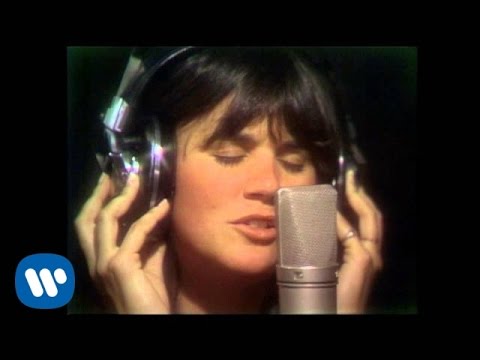
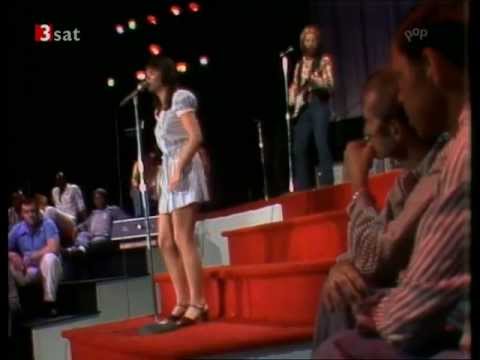
By the summer of 1975, Linda Ronstadt had transformed herself from a Stone Poneys alumna into the defining female rock vocalist of her generation. Her collaborations with producer Peter Asher had yielded a string of recordings that blended country sensibility with rock muscle, and she had developed a reputation for choosing cover material with impeccable taste and then making it entirely her own. Radio that summer was a complicated landscape: AM stations still pushed soft pop while FM leaned into album-oriented rock, and Ronstadt occupied both worlds with equal authority. The double-sided single pairing of "It Doesn't Matter Anymore" and "When Will I Be Loved" captured that dual appeal in a single release.
Two Songs, One Statement
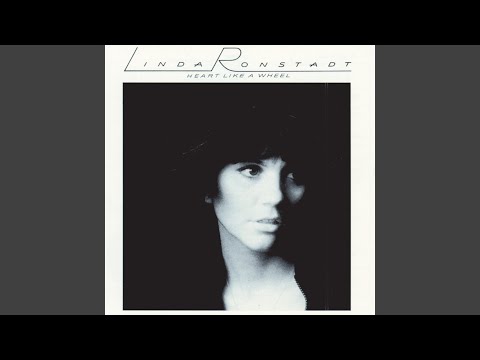
"It Doesn't Matter Anymore" had been written by Paul Anka and was originally recorded by Buddy Holly shortly before his death in 1959. Ronstadt's version reached back to that rockabilly-tinged pop tradition and found unexpected resonance in the country-rock context of the mid-1970s. "When Will I Be Loved" was composed by Phil Everly of the Everly Brothers, another act with roots in the late 1950s and early 1960s rock and roll era. Ronstadt had recorded it for her 1974 album Heart Like a Wheel, and the track quickly became one of her signature songs. The pairing of these two songs on a single release was itself a kind of argument about where American roots music had traveled in the fifteen years since both originals were recorded.
The Chart Run
The double-sided release entered the Billboard Hot 100 on July 26, 1975, debuting at position 73. It climbed steadily over four weeks, reaching its peak position of number 47 on August 16, 1975. The single spent four weeks on the chart overall. Those numbers understate the track's impact on Ronstadt's commercial momentum: the accompanying parent album Heart Like a Wheel was already performing at extraordinary levels, and the singles reinforced awareness of the album throughout the summer season. Ronstadt's ability to move units consistently across both singles and albums marked her as one of the most commercially reliable artists in American rock during that period.
Peter Asher and the Production Approach
Producer Peter Asher, who had come to prominence as one half of the British duo Peter and Gordon before moving into production work with James Taylor, brought a clean, resonant sound to Ronstadt's records that suited her voice's clarity and power. The arrangements on her mid-1970s recordings were never cluttered; every instrument had space to breathe, and her vocals were placed prominently without sounding artificially boosted. The Heart Like a Wheel sessions assembled a group of musicians whose collective expertise in country and rock idioms gave the recordings their sense of authority. That production philosophy, elegant and purposeful, was central to Ronstadt's appeal during her commercial peak.
A Career at Full Altitude
The summer of 1975 found Ronstadt at a remarkable juncture. Heart Like a Wheel had gone to number one on the Billboard albums chart, and she was one of the first women to achieve that distinction in the rock era. A cover of her image on the front of Time magazine was still a year away, but her cultural visibility in 1975 was already substantial. The dual-sided single release illustrated her range, the ability to move between rock, country, and pop without losing coherence. That flexibility, rooted in a genuine engagement with American musical history, is what separated her from peers who were more narrowly defined by genre or era. Press play and hear a vocalist at the absolute top of her game, making old songs sound like they were waiting for her all along.
"It Doesn't Matter Anymore/When Will I Be Loved" — Linda Ronstadt's singular moment on the 1970s charts.
02 Song Meaning
"It Doesn't Matter Anymore / When Will I Be Loved" — Themes of Love, Loss, and Resilience
Two Questions, One Emotional Arc
The pairing of these two tracks on a single release was not arbitrary. Together they describe a recognizable emotional journey: the exhausted resignation of someone who has finally released a painful attachment ("it doesn't matter anymore") and the renewed yearning of someone who still dares to ask for love ("when will I be loved?"). As a double-sided statement, the release captured something true about the cycle of romantic experience, the way people move between letting go and reaching out without ever quite escaping either state. Linda Ronstadt, whose interpretive gifts lay in her ability to find genuine feeling in existing material, made both emotional positions convincing.
The Tradition of the Torch Song
"When Will I Be Loved" belongs to a lineage of songs that give voice to romantic longing without apology or irony. The Everly Brothers' original had a sweetness that softened the question's ache; Ronstadt's version added edge and urgency, transforming the question from wistful to almost confrontational. She was not asking softly; she was demanding an answer. That shift in register reflected something important about the cultural moment of the mid-1970s, a period when women in popular music were claiming more emotional range and refusing to confine themselves to the passive, patient roles that earlier pop conventions had often assigned them.
Ronstadt as an Interpreter of American Song
Both songs on this release were originally recorded in the late 1950s and early 1960s, making Ronstadt's versions acts of conscious cultural recovery. By choosing this material in 1975, she was drawing a line between the rock and roll roots of the previous generation and the country-rock present she helped define. The choice of covers over original compositions was itself meaningful: it said that the American songbook was a living resource, not a museum, and that each generation had something new to bring to old materials. This interpretive philosophy made her discography a kind of ongoing conversation with the history of popular music.
Why These Songs Resonated in 1975
The mid-1970s were a period of post-idealism. The expansive optimism of the late 1960s had narrowed into something more personal, and popular music had largely retreated from communal politics into intimate confession. In that context, songs about the vulnerability of love, about needing and losing and needing again, spoke directly to an audience that had traded marching in the streets for examining their own relationships. Ronstadt's recordings gave that introspective mood an emotional vocabulary rooted in honest, unadorned performance. She did not dress up heartache in production gloss; she delivered it plainly, and plainness felt like truth.
The Lasting Appeal
The YouTube presence of this recording, drawing nearly 4.5 million views across decades, reflects the staying power of Ronstadt's interpretive voice. Her versions of other artists' songs often displaced the originals in cultural memory, a testament to the depth of her connection with the material. "When Will I Be Loved" in particular has been consistently cited as one of the defining recordings of the 1970s country-rock movement, a moment when genre lines blurred enough to let genuine feeling pass freely between them. The songs ask ordinary questions about love, and Ronstadt answered them with uncommon conviction.
→ More from Linda Ronstadt
View all Linda Ronstadt hits →

→ More from the 1970s File
View all 1970s hits →




Keep digging